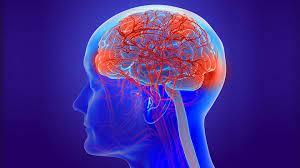
Often people consider it normal to forget small things, but is it just a mistake that happens with age or a sign of a serious condition like Alzheimer’s? According to neurologists and memory experts, early detection plays an important role in the treatment and control of this disease.
amnesia vs alzheimer
Common mistakes: Sometimes forgetting a name, date or place. Minor mistakes are usually caused by stress, lack of sleep, or a busy schedule.
Forgetfulness in early Alzheimer’s: persistent forgetting of simple everyday things, inability to remember recent events, asking the same questions repeatedly in conversation, or difficulty identifying directions.
“If forgetfulness begins to impact daily life, such as lack of concentration at work or difficulty recognizing familiar people, it should not be ignored. It could be an early warning sign of Alzheimer’s,” says the neurologist.
early detection signs
Forgetting routine things: like someone close’s birthday, passwords, or recent conversations.
Disturbances in routine: Forgetting everyday tasks like cooking or paying bills.
Psychological changes: Sudden changes in mood, anxiety, or sadness.
Disorientation and confusion: Getting lost in familiar places or having difficulty identifying directions.
doctor’s advice
Get regular memory tests and neurological checkups done.
Memory-strengthening exercises, such as crosswords, puzzles, and meditation, may be helpful.
Balanced diet: Omega-3 fatty acids, green vegetables, fruits and nuts are beneficial for memory.
Physical activity: Regular exercise and walking strengthen memory by increasing blood flow to the brain.
Lifestyle and Precautions
Get enough sleep, reduce stress, and stay involved in social activities.
Avoid alcohol, smoking and excessive caffeine.
Share any new mistakes or mental changes with the doctor, so that proper guidance can be provided in time.
Protect children from pneumonia in winter, this is right diet and precautions


