Experts say protein is not just for muscles but key for women’s long-term health. It helps with strong muscles, strong bones, and better metabolism as women age, enter perimenopause, or reach post-menopause.
Research shows that older women who eat more protein than the basic recommendation have better muscle mass, stronger bones, lower fat-to-lean ratio, and better physical function, as stated by TOI. Experts note that high-quality protein helps reduce health risks linked with ageing, low activity, and hormonal changes.
Experts say even small increases in protein intake can bring significant health improvements for women. This is why nutrition researchers stress the need to help women meet these protein targets every day.
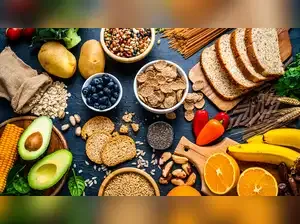
Mix plant and animal proteins to get all essential amino acids, experts suggest. Use protein boosters like chia seeds, hemp seeds, or pumpkin seeds in smoothies, salads, dals, or curd to increase daily protein easily.
Women need 0.8 g/kg minimum, but experts say 1.0–1.2 g/kg (or more if active) helps maintain strong muscles and bones.
Q2. Why is high protein important for older women?
Higher protein helps older women keep muscle, improve strength, and support healthy ageing, as studies show.
Research shows that older women who eat more protein than the basic recommendation have better muscle mass, stronger bones, lower fat-to-lean ratio, and better physical function, as stated by TOI. Experts note that high-quality protein helps reduce health risks linked with ageing, low activity, and hormonal changes.
How much protein women need
The Recommended Dietary Allowance (RDA) is 0.8 g per kg of body weight per day, but experts say this is only the minimum to avoid deficiency. Mayo Clinic recommends 1.0–1.2 g protein/kg/day for older and post-menopausal women. Women who exercise regularly or do strength training may need 1.2–2.0 g/kg/day, as fitness experts explain, as cited by TOI. Pregnant and breastfeeding women also require more protein to support their body’s needs and the baby’s growth.Benefits of higher protein intake
A longitudinal study published in MDPI found that older women who ate around or above 1.2 g protein/kg/day had more lean mass, stronger muscle strength, and lower body fat. The same MDPI study reported better functional performance, including stronger grip strength, better knee-extension strength, and improved balance.Experts say even small increases in protein intake can bring significant health improvements for women. This is why nutrition researchers stress the need to help women meet these protein targets every day.
Practical strategies to increase protein intake
Spread protein across meals because experts say this helps the body build and maintain muscle more effectively. Aim for 20–30 g per meal. Add protein-rich snacks like Greek yogurt, cottage cheese, boiled eggs, roasted chickpeas, or protein smoothies to meet daily goals.Mix plant and animal proteins to get all essential amino acids, experts suggest. Use protein boosters like chia seeds, hemp seeds, or pumpkin seeds in smoothies, salads, dals, or curd to increase daily protein easily.
FAQs
Q1. How much protein do women need every day?Women need 0.8 g/kg minimum, but experts say 1.0–1.2 g/kg (or more if active) helps maintain strong muscles and bones.
Q2. Why is high protein important for older women?
Higher protein helps older women keep muscle, improve strength, and support healthy ageing, as studies show.