Which plane seats are considered the best to avoid turbulence
ETimes December 02, 2025 04:40 PM
 One of the frequent but uncomfortable things that flight travellers encounter is turbulence. It usually happens when an airplane meets disturbed air, due to various circumstances like changes in weather, jet streams, flying over mountains, or crossing the equator. While this is not that dangerous, and mostly cause slight bumps and shakes, it can occasionally become more severe, making even routine flights feel uncomfortable. Because of this, it's always a good idea to keep your seatbelt on when seated.
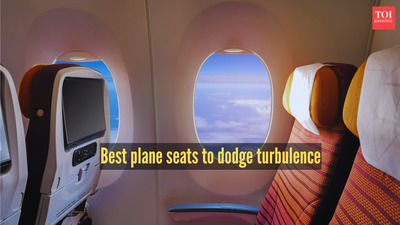
However, for those who are particularly sensitive to flying and turbulence, the location of their seat on the plane can make a noticeable difference in comfort. It also needs to be noted that no seat in the plane can actually completely eliminate the effects of turbulence, but certain areas of the aircraft can experience less movement than others. And understanding where to sit can help them to enjoy a slightly smoother flight.
So, the area to choose would be that over the wings, which is widely regarded as the best choice for minimising the sensation of turbulence. This section of the aircraft is closest to the plane’s center of gravity, which means it experiences less up-and-down motion when the plane encounters rough air. Passengers seated here often report that bumps feel less pronounced and the ride is overall steadier compared to other parts of the aircraft.
Read more:
Another good option can be towards the front of the plane. Sitting near the nose reduces the amount of swinging and jolting felt during turbulent conditions. Airlines design planes so that the front section has a slightly more stable ride, making it a popular choice for nervous flyers.
On the other hand, the rear of the plane tends to be the least stable. Seats in the back are farther from the plane’s center of gravity, which causes them to move more when the aircraft hits turbulence. Passengers seated here often feel stronger rocking and swaying, which can amplify discomfort during rough air conditions.
Read more:
It’s important to remember that turbulence itself is generally not dangerous. Modern aircraft are engineered to withstand even severe turbulence, and pilots are trained to navigate around or minimise it whenever possible. Nevertheless, knowing where to sit can help reduce anxiety and make your flight experience more comfortable.
Other practical tips to cope with turbulence include keeping your seatbelt fastened at all times while seated, following cabin crew instructions, and choosing flights at times when weather is more predictable. For instance, early morning flights tend to experience smoother conditions compared to late afternoon when thermal activity can cause bumpy air.
Ultimately, while turbulence is largely unavoidable, selecting the right seat can make a significant difference. For the smoothest ride, opt for a seat over the wings or near the front of the aircraft, and avoid the back if you are sensitive to motion.