Preparation for major changes in EPFO
Crores of employed people across the country have been waiting for a good news for a long time. Demands have been continuously raised that the mandatory wage ceiling for Employees Provident Fund (EPF) should be increased. This issue resonated loudly on the very first day of the winter session of Parliament. There was only one question in everyone's mind.. Is the government really going to increase the PF limit from Rs 15,000 to Rs 30,000? The answer given by Union Labor and Employment Minister Mansukh Mandaviya on this question is very important for every employee to know.
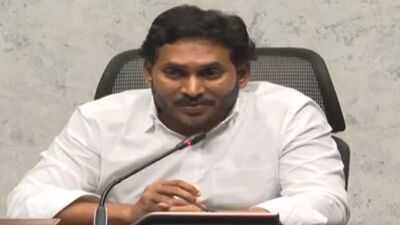
During the Parliament session, MPs Benny Behanan and Dean Kuriakose asked a direct question to the government whether the central government is planning to increase the EPF salary limit from Rs 15,000 to Rs 30,000? Responding to this, Labor Minister Mansukh Mandaviya clarified the situation. He said that before making any change in the salary limit, there is a need for discussion at a wide level. The minister told Parliament that the decision to increase the salary limit for coverage under EPFO is taken only after long discussions with all stakeholders.
These stakeholders include both employee unions and industry associations. The government argues that this decision cannot be taken unilaterally because it has two major economic aspects. First, if the limit is increased, the 'take-home salary' of the employees may reduce, because the PF share will be deducted more. Secondly, the burden of hiring cost on employers will also increase. Therefore, right now the government is neither directly saying 'yes' nor denying it completely, but is calling it a topic of discussion.
At present, it is mandatory for employees whose basic pay is up to Rs 15,000 to contribute to EPF. If someone's basic salary is more than this and he has joined the job after September 1, 2014, then this contribution is optional for him. Let us tell you that the last change in EPF salary limit was made in the year 2014. Then the Central Government had increased it from Rs 6,500 to Rs 15,000 per month.
These days, the number of people working through 'gig economy' i.e. online platforms (like delivery and cab services) has increased rapidly. Will they also get the benefit of EPF? On this also the government has made the picture completely clear in the Parliament. The government has clarified that gig workers will not be included under the current EPF Scheme, 1952. The reason behind this is that there is no traditional 'Employer-Employee' relationship between the gig worker and the platform, on which the entire structure of PF rests.
The Labor Minister said that under the Code on Social Security, 2020, a gig worker is a person who earns outside of traditional employment relationships. However, this does not mean that they will not get protection. The minister said that under the Social Security Code, 2020, provisions like life and disability cover, accident insurance, health benefits and old age protection have been made for gig workers and platform workers. It has also been said to create a separate 'Social Security Fund' for this.