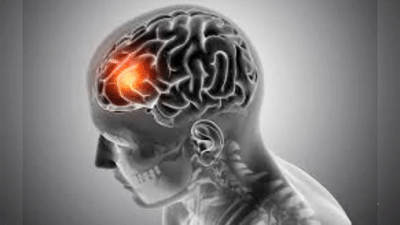
People often ignore frequent headaches by linking them to stress, lack of sleep, or fatigue. However, persistent or unusual headaches can sometimes be an early sign of a serious condition like a brain tumor. Neurology expert Dr. Vern Velho explains what brain tumors are, why they develop, their symptoms, and how modern treatments work.
What is a brain tumor?
A brain tumor is formed when certain brain cells begin to grow abnormally and rapidly. These abnormal cells occupy space inside the skull, creating what doctors call a “space-occupying lesion” (SOL). As the tumor grows, it puts pressure on surrounding brain tissue, which leads to various symptoms.
Why do brain tumors occur?
The exact cause is not always known, but several risk factors have been identified:
Genetic mutations
Abnormal changes in genes are the most common cause. In some families, defective genes can pass from one generation to another.
Radiation exposure
Excessive or repeated exposure to radiation increases the risk of tumor formation.
Chemical exposure
People working with pesticides, petroleum products, or industrial chemicals face higher risk if they do not use proper protective gear.
Weak immunity
A weakened immune system reduces the body’s ability to detect abnormal cell growth, increasing the risk.
Symptoms of a brain tumor
These symptoms should never be ignored. If they appear frequently or suddenly worsen, timely medical consultation is necessary:
• Severe, continuous headache
The pain keeps increasing and becomes unbearable.
• Morning headache with vomiting
Vomiting shortly after waking up, along with severe headache, may indicate increased pressure inside the skull.
• Seizures or fits
The person may suddenly lose consciousness, experience jerking movements, and regain consciousness after a few minutes.
• Behavior and speech changes
Confusion, irritability, memory trouble, or changes in speaking patterns may occur.
• Vision problems
Blurry vision, double vision, or sudden vision loss.
• Weakness in arms or legs
Loss of strength or numbness in one side of the body.
• In children
Frequent headaches, poor eyesight, loss of appetite, lethargy, or delayed physical growth warrant immediate medical attention.
Diagnosis
The first step is accurate detection, which is done through:
• CT scan
• MRI scan
These scans help identify the tumor’s size, type, and exact location.
Treatment options
The treatment depends on whether the tumor is benign (non-cancerous, slow-growing) or malignant (cancerous, fast-growing).
Surgery
Often the primary and most important treatment. Benign tumors can sometimes be completely removed, leading to full recovery.
Radiotherapy and chemotherapy
These are commonly used for malignant tumors, either after surgery or when surgery isn’t possible.
Targeted therapy
Useful in cancerous tumors where specific drugs act on tumor cells without affecting normal cells.
New and advanced technologies
Modern neurosurgery has become much safer due to:
• High-powered surgical microscopes
Allowing surgeons to see microscopic details.
• Navigation systems
Using AI, robotics, and computer mapping to locate the tumor precisely and avoid healthy brain tissue.
Recovery and family support
• Stitches are usually removed within 10–15 days.
• Patients often require 1–2 months of rest.
• Complex tumors may require longer recovery and extended treatment.
• Family support is extremely important for emotional stability and confidence during recovery.
Doctor’s key message
Early detection improves the chances of complete recovery, especially in benign tumors. Staying aware of symptoms and seeking timely medical help can prevent complications.