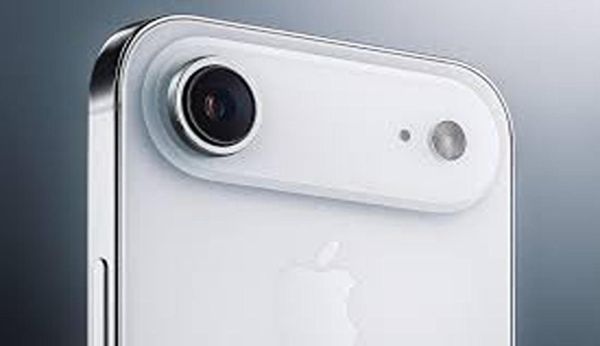
iPhone Air 2: Apple has always been known for experimenting with design, performance, and user experience, and its recent smartphone strategy clearly reflects that mindset. In 2025, the company surprised many users by reshaping its lineup and introducing an entirely new category focused on extreme slimness and portability. The first-generation iPhone Air stood out as the thinnest iPhone ever released, instantly attracting attention from users who prefer lightweight and elegant devices. Now, with growing discussions across the tech industry, attention has shifted to what could be the next chapter of this lineup: the iPhone Air 2, expected to arrive next year with meaningful improvements.
Over the past few years, Apple has steadily refined its approach to product differentiation. By removing the Plus variant and replacing it with the Air model, the company signaled a clear intention to cater to users who value design aesthetics as much as performance. The original iPhone Air, with its remarkably slim 5.6 millimetre profile, was not just a design experiment but also a statement about Apple’s engineering capabilities. While the device impressed with its look and feel, some compromises were inevitable, especially in areas such as camera versatility and battery optimization.
Industry chatter suggests that the iPhone Air 2 could make its debut at Apple’s annual launch event in September 2026. If these reports prove accurate, the device may be unveiled alongside other high-profile releases, reinforcing Apple’s strategy of offering diverse options within a single launch cycle. This timing would also allow Apple to refine its production process and incorporate user feedback from the first Air model. By doing so, the company can better position the second-generation Air as a polished and more balanced device rather than a niche experiment.
One of the most anticipated aspects of the iPhone Air 2 is its updated design. While Apple is expected to maintain the ultra-thin philosophy that defines the Air series, subtle refinements could make the device more durable and comfortable to use. Reports indicate that Apple may slightly rework the internal layout to improve thermal management and structural strength without significantly increasing thickness. These changes could address concerns raised by early adopters of the first model, particularly those related to long-term durability.
Camera performance is another area where the iPhone Air 2 is expected to deliver noticeable upgrades. The original Air featured a single 48-megapixel rear camera that performed well in most lighting conditions but lacked versatility. The upcoming model is rumored to include a dual-camera setup, allowing users to capture more dynamic shots with improved optical zoom and depth perception. This addition would make the Air series more appealing to photography enthusiasts who previously leaned toward Pro models for advanced camera features.
On the front, Apple is likely to retain its 18-megapixel selfie camera, which has already proven reliable for video calls, content creation, and everyday use. Combined with improved image processing, users can expect consistent photo and video quality across both cameras.
Beyond hardware, Apple is expected to focus heavily on software optimization for the iPhone Air 2. The device will likely ship with a future version of iOS, bringing refined system intelligence, smoother multitasking, and enhanced efficiency. While much of the discussion around artificial intelligence remains speculative, it is reasonable to expect smarter background processes, improved battery management, and more personalized user interactions. These refinements could help offset the physical limitations of an ultra-thin device by making better use of available resources.
Pricing will play a crucial role in determining the success of the iPhone Air 2. The first-generation model launched at Rs 1,19,900, placing it below the Pro lineup while still firmly in the premium segment. Early indications suggest that Apple may keep the second-generation Air within a similar price bracket. This strategy would allow the company to attract users who want a premium Apple experience without paying the highest flagship prices.
As component costs continue to rise across the global smartphone industry, maintaining competitive pricing could make the Air series an attractive alternative. The balance of elegant design, capable performance, and relatively accessible pricing may help Apple strengthen its position among users who prioritize portability and style.
The iPhone Air 2 is shaping up to be more than just a visual upgrade. With rumored improvements in camera capabilities, internal design, and software intelligence, Apple appears focused on refining the Air concept into a more complete smartphone. If the company successfully addresses the limitations of the first model while preserving its standout slim profile, the iPhone Air 2 could emerge as a compelling option for users seeking a modern, lightweight, and premium device.