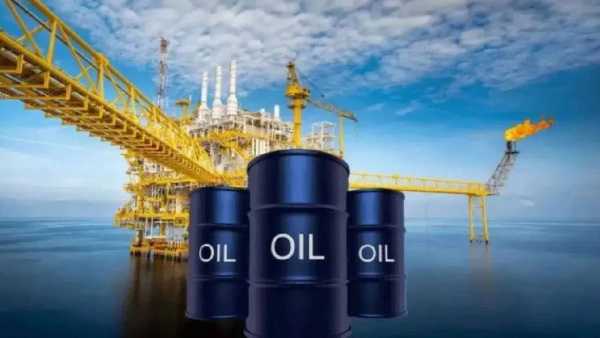
On the one hand, the conflict between America, Israel and Iran is becoming more intense and the possibility of increasing oil crisis is increasing. On the other hand, International Oil Organization OPEC Plus has given great relief news to the world, that too with a warning. The OPEC+ oil cartel has agreed to raise oil production quotas again, while warning that repairing energy facilities - such as those damaged in the Middle East war - is expensive and time-consuming.
For the second month in a row, OPEC+ countries—which include major oil producers Russia and Saudi Arabia, as well as several Gulf states that have been the targets of Iranian air attacks—agreed to increase quotas by 206,000 barrels per day (bpd) from May. But OPEC+ warned that damage to energy infrastructure could increase volatility in the oil market, which could have a deep impact on global supply in the future.
Its statement also stressed the “utmost importance of the security of international sea routes to ensure the uninterrupted flow of energy”. The statement did not directly mention the Iran war, but the conflict—which has disrupted global energy markets and sent prices soaring—clearly influenced the decision. The United States and Israel launched attacks on Iran on February 28, and Tehran retaliated by attacking several areas across the region.
Apart from targeting key energy facilities in several neighboring countries, Iran has almost halted the movement of ships through the vital Strait of Hormuz by threatening to attack tankers passing without permission. This has severely restricted exports from the Gulf region, and questions are being raised about whether oil will be able to reach global markets even if OPEC+ members in the region succeed in increasing production. Before the war, about a fifth of global oil and liquefied natural gas (LNG) passed through the strait. Ukraine has also been attacking Russian oil industry facilities in an effort to counter Russia's ongoing aggression.
Last month, the eight-member 'V8' (Voluntary Eight) of the OPEC+ cartel also increased production quotas by 206,000 bpd. On Sunday, the V8 said in a statement that “any action to undermine energy supply security—whether through attacks on infrastructure or disruption of international sea lanes—increases market volatility” and makes it more difficult for OPEC+ to control global prices. These eight countries—Saudi Arabia, Russia, Iraq, the United Arab Emirates, Kuwait, Kazakhstan, Algeria and Oman—commendated members who succeeded in finding alternative export routes for oil supplies, “which has contributed to reducing market volatility.”
On the other hand, there is a tremendous rise in the prices of crude oil. The special thing is that at present the prices of American crude oil have become higher than the oil prices of Gulf countries. If we look at the data, on Monday the price of American crude in the international market is at $ 112.02 per barrel with an increase of 0.43 percent. Whereas the price of Brent crude oil from Gulf countries has increased by 1.41 percent to $ 110.57 per barrel. In the last one month, the prices of crude oil have seen an increase of more than 60 percent.