Taking a tough stand against misleading claims made on food products, the Central Consumer Protection Authority (CCPA) has banned Storia Foods & Beverages and English Oven Bread maker Mrs. Bectors Food Specialties Ltd. A fine of Rs 1 lakh each has been imposed. The authority has also directed both the companies to immediately remove the claims related to “100%” from their products, websites and digital platforms.
CCPA says both companies used the term “100%” in advertising their products in a manner that could lead ordinary consumers to believe that the products were made entirely of the same ingredients, when the reality was otherwise. According to the authority, unless there is a separate legal definition of a word, the consumer understands it in its ordinary meaning only.
During the investigation, CCPA examined Storia's claims about “100% tender coconut water” and other fruit juices. These claims were also being shown on the company's website, packaging and various e-commerce platforms.
Investigation revealed that the company's coconut water was not obtained directly from coconuts, but was prepared by mixing water and coconut water concentrate. However, this information was given in very small letters on the packet. Not only this, preservative INS 202 was also used in the product, due to which the claim of “100% natural” also came into question.
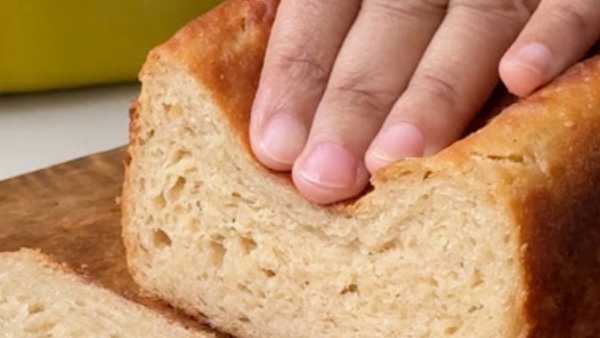
Advertisements for English Oven made claims such as “100% atta bread”, “100% whole wheat bread” and “100% whole wheat flour”. These publicity campaigns were run from newspapers to social media and video platforms.
During the hearing, the company admitted that only about 87% whole wheat flour is used in its bread. In such a situation, the claim of “100% whole wheat bread” does not match the actual composition.
CCPA also found that displaying the claims “Zero Maida” and “100% Whole Wheat Bread” together on packaging could lead consumers to believe that the product is made entirely of wheat flour. During the hearing, the company also admitted that such a presentation may seem unnecessary and confusing to some extent.
The company said that “100% flour” only meant that the grain used was derived entirely from wheat. But the CCPA did not accept this argument. The authority clarified that the advertisements will be evaluated on the basis of common consumer understanding and not on the basis of subsequent technical explanations given by the companies.
The CCPA said that claims related to the quality, composition, nutrition or health benefits of any food product must be completely accurate, certified and transparent. If any advertisement or packaging gives wrong message to consumers, strict action will be taken against it. This order has been issued under the Consumer Protection Act, 2019 and the Guidelines of 2022 regarding prevention of misleading advertisements.