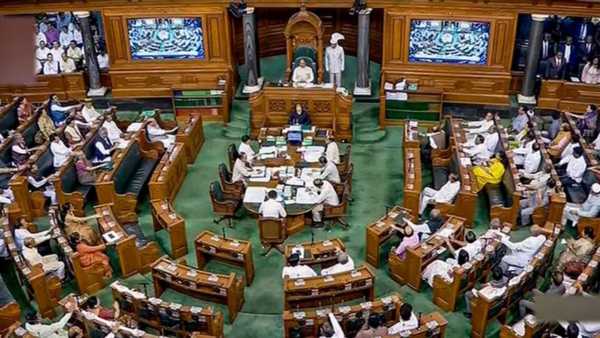
The Central Government can present the Doping Bill-2026 related to NADA (National Anti-Doping Agency) in the Parliament in the monsoon session. There may be a provision in the new bill to bring doping into the category of crime. The existing rules can be made more stringent than before. Not only the players doing doping but also the drug suppliers, coaches, hostel administration and other people involved can be brought under the ambit of the law. The purpose of this bill is that action should be taken against the entire doping network and the real culprits can be punished.
The proposed provision provides for a prison sentence of up to 5 years for those involved in the supply of banned drugs. In this regard, the government had made the draft of the amendment available on the official website of the Sports Ministry to know the opinion of the people. Also, an appeal was made to all the stakeholders to give their feedback by June 18. Sports Minister Mansukh Mandaviya has earlier said that the amended bill is expected to be presented during the monsoon session, incorporating people's opinion.
The proposed amendment states that whoever allows doping or contacts an athlete for the purpose of doping in sports or for any purpose related to it, will be punished with imprisonment of up to one year or a fine of up to Rs 2 lakh or both. Regarding this matter, Mandaviya has said on many forums that doping is no longer just a sporting violation but has turned into an organized system that exploits players.
Let us tell you that for the last 3 years, India has been continuously on top in the WADA list of countries guilty of doping. This is a matter of concern. Especially when the country is aiming to host the 2036 Olympic Games. Let us tell you that the new proposal is similar to an earlier draft presented in 2018, which recommended a jail term of 4 years along with a fine of Rs 2 lakh for organized networks and individuals supplying banned substances to athletes.
However, those provisions were removed from the law passed in 2022. Then revised last year. Medical professionals have also been brought under scrutiny under the new amendments. Doctors who knowingly prescribe medicines containing banned substances can face legal action if found involved in doping violations.