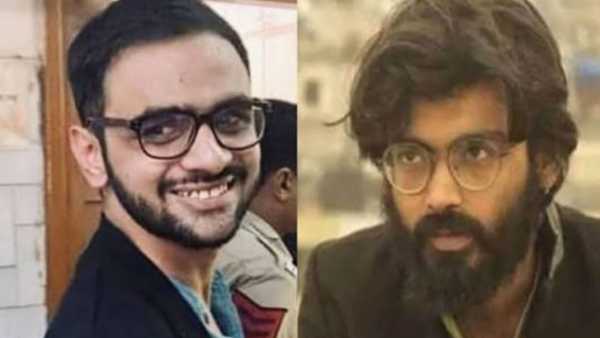
The decision has been reserved on the bail petitions of Delhi riots accused Sharjeel Imam and Omar Khalid. Karkardooma Court of Delhi kept its decision on the bail of both the accused. During the hearing, lawyer Talib Mustafa argued on behalf of Sharjeel Imam whether a restriction like not filing bail application for 1 year can be imposed? A larger bench of the Supreme Court should also consider this. He said that some other accused in this case got the benefit of sending the case to a larger bench. The lawyer appearing for Delhi Police said that until any clarification is received from the larger bench, the findings, instructions or stay of the Supreme Court will remain in force.
The lawyer further said that if he had any complaint or problem, he could have gone to the Supreme Court and sought clarification. The right place for this was the Supreme Court. Once the Supreme Court has given its verdict, this court cannot do it. After hearing the arguments of the lawyers of both the parties, the court reserved its decision.
In fact, Umar Khalid and Sharjeel Imam, accused in the case of a major conspiracy behind the Delhi riots, filed new bail petitions after the Supreme Court's decision, in which questions were raised on the interpretation adopted by the apex court for not granting them bail.
Khalid said that he has spent almost 6 years in custody without charges being framed. He argued that considering the large number of accused, witnesses and prosecution documents, the chances of the trial starting any time soon are slim. In his petition, Imam said that even after six months of the Supreme Court refusing to grant bail, there has been no “significant progress” in the proceedings.
According to the report, he also said that he has been in custody without trial for almost six years and charges are yet to be framed in the case. These fresh bail pleas were filed after the Supreme Court on January 5 refused to grant bail to both Khalid and Imam in the UAPA case, while granting relief to co-accused Gulfisha Fatima, Meeran Haider, Shifa-ur-Rehman, Mohammed Salim Khan and Shadab Ahmed.