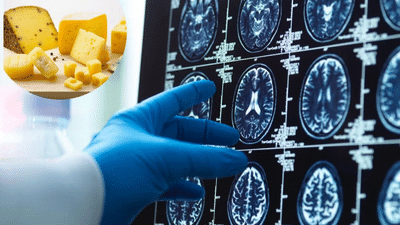
A new study has made a surprising claim about a food most people love—cheese. The research suggests that elderly people who eat cheese at least once a week may have a lower risk of developing dementia. The study, conducted on Japanese adults aged 65 and above, found that weekly cheese consumption was associated with up to 24 percent lower dementia risk.
The study has been published in the journal MDPI.
Why cheese may benefit the brain
Researchers say cheese contains several components that support brain function:
• Vitamin K₂ – helps keep brain nerves healthy and reduces inflammation
• High-quality protein – supports neurotransmitter function
• Amino acids – help protect brain cells
• Antioxidants – may reduce oxidative stress
Because of these properties, moderate cheese consumption might contribute to better cognitive health in older adults.
However, the study also points out an important detail:
People who ate cheese regularly generally had healthier diets and lifestyles overall. So the reduced dementia risk may not be only because of cheese. It’s an association—not proof that cheese prevents dementia.
What really helps prevent dementia?
Doctors emphasize that dementia prevention is a combination of several factors:
• A balanced, nutrient-rich diet
• Regular physical activity
• Good sleep
• Mental engagement (reading, puzzles, learning)
• Social interaction
• Managing blood pressure, diabetes and cholesterol
Cheese may be a small part of a healthy diet, but it is not a treatment or guaranteed prevention.
Expert advice
Dr. Subhash Giri, Professor of Medicine at RML Hospital, Delhi, says:
• Cheese can be consumed in moderation but only as part of a balanced diet.
• People with hypertension, obesity, or heart conditions should consume cheese carefully because it may be high in salt and saturated fat.
• No food—including cheese—should be considered a standalone preventive measure against dementia.
What foods are generally linked with better brain health?
Scientific evidence points to these:
• Leafy greens (spinach, kale)
• Nuts and seeds
• Fatty fish (rich in omega-3)
• Berries
• Whole grains
• Olive oil
• Turmeric
• Beans and lentils
These foods are part of the Mediterranean and MIND diets, both associated with lower dementia risk.