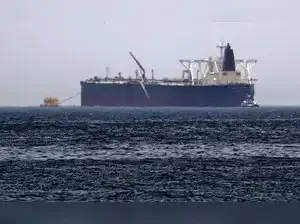
The cost of shipping commodities through the Black Sea climbed on Monday after Ukrainian naval drones hit two tankers heading to a Russian port, with fears of further attacks driving up war risk insurance costs, industry sources said.
The Black Sea is crucial for the shipment of grain, oil and oil products. Its waters are shared by Bulgaria, Georgia, Romania and Turkey, as well as Russia and Ukraine.
War risk rates for a typical seven-day voyage period, which are set by individual underwriters and are based on the value of the ship, rose to 0.5% for calls to Ukrainian ports from 0.4% over a week ago, shipping and insurance sources said.
War risk insurance for Russian Black Sea ports, which is typically higher, was quoted at between 0.65-0.8% versus around 0.6% last week, the sources added.
TANKERS ATTACKED WHILE SAILING TO NOVOROSSIYSK
The two tankers, which were under Western sanctions, were attacked by navy drones while they were empty and sailing to Novorossiysk, a major Russian Black Sea oil terminal, an official at the Security Service of Ukraine told Reuters.
The Black Sea incidents point to a campaign by Ukraine to restrict Russian oil revenue which was "shaping underwriters' assessment of intent and capability", said Munro Anderson, head of operations at marine war risk and insurance specialist Vessel Protect, part of Pen Underwriting.
"Rates have firmed in line with that view. For Russian port calls, underwriters are pricing in a broader range of possible strike locations and a higher likelihood of repetition," he said.
"As Ukrainian activity increases, the probability of reciprocal Russian action grows. That creates a more even risk gradient across both trades than we have seen in some time."
Turkish President Tayyip Erdogan said on Monday that attacks on commercial ships in the Black Sea were unacceptable, issuing a warning to "all related sides".
The latest Black Sea incidents were the first attacks on non-military, non-Russian flagged vessels in international waters, said Andrii Ryzhenko, a naval analyst and former deputy chief of staff of the Ukrainian navy.
Ryzhenko said it was unlikely that Russia would retaliate against commercial shipping heading to Ukraine when it was in the territorial waters of Turkey, Bulgaria and Romania, as that would amount to an attack on NATO territory.
"They're (Russia) attacking (vessels) all of the time, at least in Ukrainian territorial waters and using different types of weapons."
MYSTERIOUS BLASTS
There have been at least seven blasts on separate tankers that called at Russian ports since December 2024 at locations including the Mediterranean, with Ukraine suspected of carrying them out, maritime security sources said. A Turkish-owned oil tanker that was damaged near Senegal's coast last week was hit by four external explosions, but there were no injuries or pollution, its manager said on Monday.
The Mersin tanker had previously called at a Russian port, and maritime security sources said their initial assessment was the vessel had been targeted by limpet mines, similar to other incidents this year which have not been confirmed by Ukraine.
The vessel was currently secured and under close control, a spokesperson with Dakar Port Authority said, confirming "a serious incident in the engine room caused a major water ingress". The spokesperson added that the exact nature of the incident would be made public in due course.
The Black Sea is crucial for the shipment of grain, oil and oil products. Its waters are shared by Bulgaria, Georgia, Romania and Turkey, as well as Russia and Ukraine.
War risk rates for a typical seven-day voyage period, which are set by individual underwriters and are based on the value of the ship, rose to 0.5% for calls to Ukrainian ports from 0.4% over a week ago, shipping and insurance sources said.
War risk insurance for Russian Black Sea ports, which is typically higher, was quoted at between 0.65-0.8% versus around 0.6% last week, the sources added.
TANKERS ATTACKED WHILE SAILING TO NOVOROSSIYSK
The two tankers, which were under Western sanctions, were attacked by navy drones while they were empty and sailing to Novorossiysk, a major Russian Black Sea oil terminal, an official at the Security Service of Ukraine told Reuters.
The Black Sea incidents point to a campaign by Ukraine to restrict Russian oil revenue which was "shaping underwriters' assessment of intent and capability", said Munro Anderson, head of operations at marine war risk and insurance specialist Vessel Protect, part of Pen Underwriting.
"Rates have firmed in line with that view. For Russian port calls, underwriters are pricing in a broader range of possible strike locations and a higher likelihood of repetition," he said.
"As Ukrainian activity increases, the probability of reciprocal Russian action grows. That creates a more even risk gradient across both trades than we have seen in some time."
Turkish President Tayyip Erdogan said on Monday that attacks on commercial ships in the Black Sea were unacceptable, issuing a warning to "all related sides".
The latest Black Sea incidents were the first attacks on non-military, non-Russian flagged vessels in international waters, said Andrii Ryzhenko, a naval analyst and former deputy chief of staff of the Ukrainian navy.
Ryzhenko said it was unlikely that Russia would retaliate against commercial shipping heading to Ukraine when it was in the territorial waters of Turkey, Bulgaria and Romania, as that would amount to an attack on NATO territory.
"They're (Russia) attacking (vessels) all of the time, at least in Ukrainian territorial waters and using different types of weapons."
MYSTERIOUS BLASTS
There have been at least seven blasts on separate tankers that called at Russian ports since December 2024 at locations including the Mediterranean, with Ukraine suspected of carrying them out, maritime security sources said. A Turkish-owned oil tanker that was damaged near Senegal's coast last week was hit by four external explosions, but there were no injuries or pollution, its manager said on Monday.
The Mersin tanker had previously called at a Russian port, and maritime security sources said their initial assessment was the vessel had been targeted by limpet mines, similar to other incidents this year which have not been confirmed by Ukraine.
The vessel was currently secured and under close control, a spokesperson with Dakar Port Authority said, confirming "a serious incident in the engine room caused a major water ingress". The spokesperson added that the exact nature of the incident would be made public in due course.