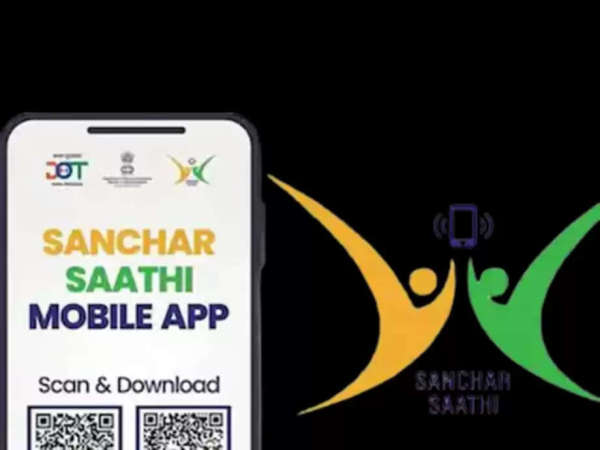
The Sanchar Saathi app is being widely discussed, raising numerous questions about digital security. Its purpose is to prevent fraud, block stolen phones, and provide information about mobile connections. However, many people are concerned that the app could pose privacy or data security risks. However, the government has answered several questions about the app, making it clear that it is completely safe and users can use it or uninstall it if they wish.
Do the benefits of this app (such as preventing fraud or finding a stolen phone) outweigh its potential risks (privacy, surveillance)?
The Sanchar Saathi app poses no privacy or surveillance risks. Its benefits include reporting suspected fraud, blocking lost/stolen phones, checking the number of mobile connections in your name, reporting unauthorized connections, verifying mobile handsets, and viewing trusted contact details.
It's reported that the government has directed smartphone companies to pre-install the Sanchar Saathi app. So how can it be called "optional and uninstallable"?
This directive is intended solely for companies to ensure the app is easily visible and fully functional for users. This doesn't mean users can't remove it. If you don't want to use the app, you can uninstall or delete it.
Why does the app require so many permissions (call/SMS logs, camera, storage, etc.)?
The app only accesses data that the user allows. Call/SMS permissions are required only for one-time registration (like an OTP process), checking phone connections, and reporting spoofed calls/SMS. Camera/storage permissions are only required if the user uploads evidence (such as IMEI or screenshots).
Does this app compromise or monitor user privacy or data security?
No. The app never accesses the microphone, location, Bluetooth, or operating system data.
Is this move legally and constitutionally sound, especially in a country that protects digital rights?
Yes. This order has been issued under the Telecom Cybersecurity Rules 2024, which fall under the Telecommunications Act 2023.
Disclaimer: This content has been sourced and edited from Amar Ujala. While we have made modifications for clarity and presentation, the original content belongs to its respective authors and website. We do not claim ownership of the content.