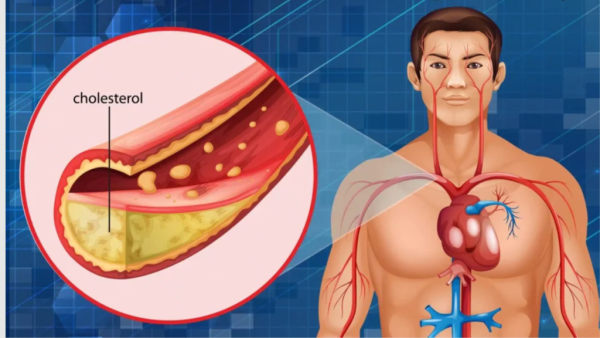
“Cholesterol is produced naturally in our body and plays an important role in hormones, cell building and fat digestion. However, if its level increases beyond the necessary limit, it can be dangerous for the body. Cholesterol plaque starts to accumulate on the walls of blood vessels and the risk of blockage increases. Especially in the early stages of high cholesterol, no obvious symptoms are noticed, that’s why it is considered a ‘silent killer’. However, when the level increases continuously, the body starts to give some signals.
1. Pain, numbness or heaviness in the legs
Accumulation of plaque in blood vessels increases the risk of peripheral artery disease. In this, due to reduced blood flow to the legs, severe pain is felt in the legs while walking or climbing stairs. The pain subsides with rest, but returns with movement again. Many people ignore this symptom at first.
2. Chest tightness or pain (angina)
As cholesterol increases, the arteries of the heart begin to narrow. This can cause problems such as feeling of pressure, heaviness, tightness or pain in the chest. This problem is more felt during physical exertion or mental stress. Angina can often be an important warning sign before a heart attack.
3. Difficulty breathing
If the heart does not get enough blood, the other organs in the body do not get enough oxygen. As a result, symptoms of shortness of breath, shortness of breath, and fatigue appear even with a slight effort. This sign can indicate the onset of heart disease or heart failure.
4. Yellow bumps on the skin (Xanthomas)
Sometimes cholesterol also appears on the skin. A yellowish, soft bump, especially around the eyes, is known as a gyanthoma. These are signs of excess fat and cholesterol in the body.
5. Dizziness or loss of balance
If there is a blockage in the blood supply to the brain, symptoms such as dizziness, lightheadedness or sudden loss of balance appear. These conditions may be symptoms of a transient ischemic attack.