
Billionaire entrepreneur Elon Musk created Space Exploration Technologies Corp back in 2002 because he came to the "(obvious) conclusion that a radical improvement in rocket technology was needed to make life multiplanetary." And success was simply "not in the set of possible outcomes for the existing rocket companies." At least that's what he claimed on X late Tuesday.
Twenty-three years and several hundred launches later, SpaceX is causing great excitement on Wall Street with reports of plans to go public at an eye-watering valuation of around $1.5 trillion, which would make it the biggest IPO in history.
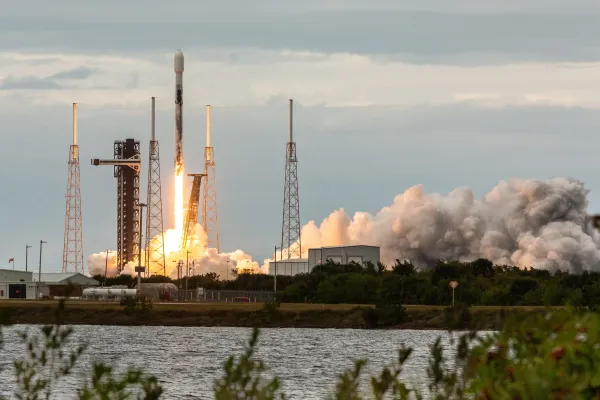
SpaceX's success stems in large part from Musk's early conviction that it was better to build inexpensive rockets than buy costly, used Russian models. The company has since built on the achievements of Falcon 9 and Falcon Heavy. It is now developing a next-generation family of fully reusable launch vehicles — including the infamous Starship — designed to be the most powerful ever built and capable of carrying humans to Mars and other destinations in the solar system.
SpaceX, being private, has not publicly disclosed its revenue or specific bottom line, but several reports have provided estimates based on the number of launches over the years. According to Payload Space, SpaceX launch revenue rose from about $2.4 billion in 2022 to $3.5 billion in 2023 and $4.2 billion in 2024, as Falcon 9 and Falcon Heavy flight rates hit records.
However, Starlink's satellite internet service has been a bigger cash cow: estimates show this segment's revenue rose from around $1.9 billion in 2022 to $4.2 billion in 2023 and to about $8.2 billion in 2024.
Reports based on internal documents indicate that SpaceX went from an operating loss in 2019 to roughly $3 billion in operating profit on about $9 billion in revenue in 2023, implying an operating margin in the low- to mid-30s.
According to the Wall Street Journal, SpaceX had net losses of about $968 million in 2021 and $559 million in 2022, followed by a small net profit of roughly $55 million, a turning point before Starlink scaled.
By late 2023, Musk publicly said Starlink had reached breakeven cash flow, and multiple industry reports now describe the unit as consistently profitable, helping SpaceX generate solid positive cash flow overall in 2024.
On Friday, after several media reports noted that the company was preparing to sell insider shares in a transaction that would value it at $800 billion, Musk took issue with it. "There has been a lot of press claiming @SpaceX is raising money at $800B, which is not accurate," he said, adding that SpaceX has been cash-flow positive for many years and conducts periodic stock buybacks twice a year to provide liquidity for employees and investors.
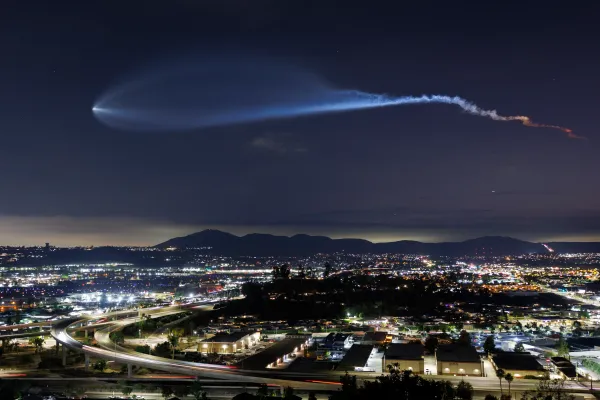
The biggest competitors to Musk's SpaceX include Jeff Bezos-backed Blue Origin — whose New Glenn rocket and heavy-lift systems serve government and commercial payload customers — and United Launch Alliance, the Boeing/Lockheed Martin joint venture.
Several smaller U.S. players are also in the mix. Notable among them is publicly listed Viasat, a GEO satellite broadband provider that competes with Starlink in rural and aviation markets. EchoStar/HughesNet, a long-standing satellite internet provider in North America, also overlaps significantly with Starlink's target customers. Firefly Aerospace is another emerging competitor.
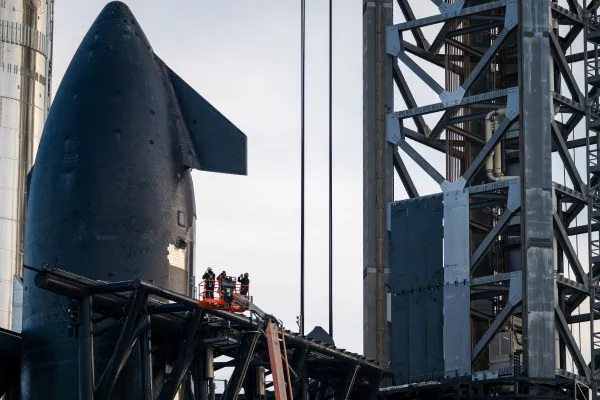
Starship, the largest rocket ever made, has been both a strategic linchpin and a big headache for SpaceX. Court disclosures and company statements indicate SpaceX had poured over $3 billion into Starship/Starbase by mid‑2023 and was spending around $2 billion on Starship in 2023 alone, with program costs of roughly $4 million per day and an estimated $100,000 "loss" per day of delay.
Additionally, multiple early integrated test flights ended in "rapid unscheduled disassemblies," including high‑profile explosions in 2023 and a later mishap in 2025 that spread debris near populated islands, triggering investigations and multiple grounding orders. Musk has often stressed that Starship is vital to achieving interplanetary dreams, but whether this project really gets off the ground safely remains to be seen.
Retail sentiment on SpaceX was in the 'extremely bullish' territory, with message volumes at 'extremely high' levels, according to data from Stocktwits.
Over the past year, SpaceX has seen a more than 56% jump in users on Stocktwits, adding the company to their watchlist, indicating intense interest in a closely watched landscape.
Stocks in large, privately held companies like SpaceX are typically off-limits to everyday investors, since these firms decide independently who can buy a stake. While some trading apps are trying to change that, other avenues currently available for retail investors include closed-end funds, interval funds, and ETFs such as ARK Invest’s ARK Venture Fund (ARKVX).
For updates and corrections, email newsroom[at]stocktwits[dot]com.<


