
Annie Le was a brilliant young woman with everything to live for.
The promising student was set to complete her doctorate at a top-tier Ivy League university and was mere days from walking down the aisle when the 24-year-old disappeared without a trace. In a heartbreaking twist of fate, on what should have been her wedding day, she was discovered dead - her battered remains found crushed and inverted within a wall cavity.
Annie had vanished from her laboratory at Yale University in New Haven, Connecticut in 2009, and whilst her murderer was eventually caught, the motives behind her abduction, slaying and the horrific disposal of her corpse remain shrouded in mystery. Born in San Jose, California in 1985, the brilliant Vietnamese-American pupil was her school's top graduate and dubbed "most likely to be the next Einstein" according to The New York Times.
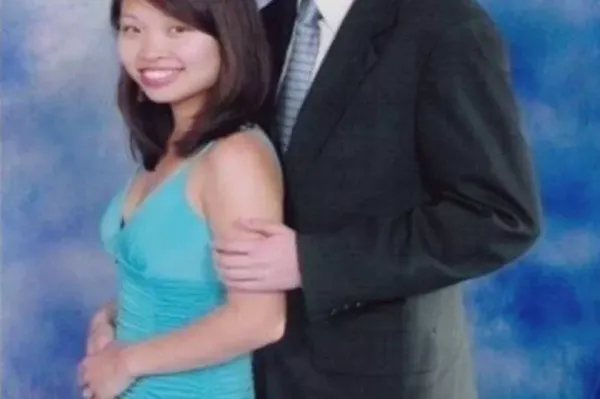

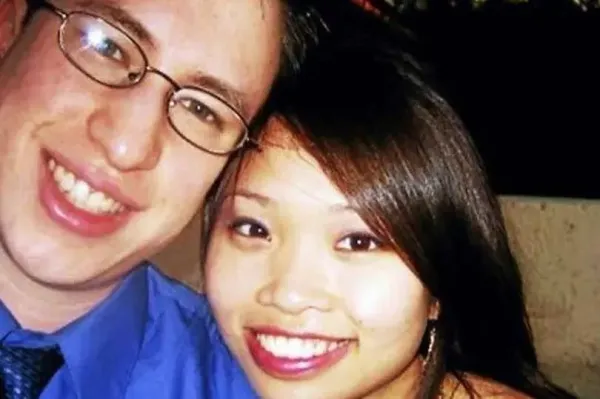
After securing an impressive $160,000 in academic awards, she went on to complete her studies at the University of Rochester in Upstate New York, earning a qualification in cell developmental biology. It was here she met and fell for her future fiancé, Jonathan Widawsky. On the morning she vanished, Annie headed off to her laboratory, with security footage capturing her arrival at the facility at 10am on September 8.
This location would tragically become her tomb. When she didn't come home that evening, one of her five housemates sounded the alert, according to the Hartford Courant. Her diary, bag and payment card were all recovered inside the premises. Heartbreakingly, Annie had written an article on campus safety titled " Crime and Safety in New Haven" for Yale Medical School's B Magazine just months prior.

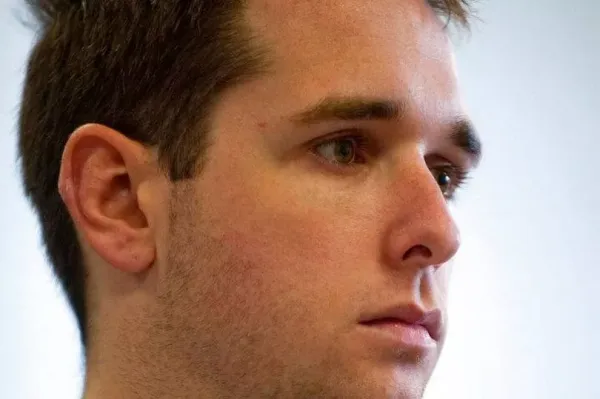
Initially, authorities speculated Annie might have had second thoughts about her impending nuptials. However, they were left puzzled when CCTV footage failed to show her exiting the building, which required ID cards for both entry and exit. Then, on 12 September, blood-stained clothing was discovered in the lab's ceiling on Street, turning the building into a crime scene. The following day, police detected a smell "similar to that of a decomposing body", as reported by Yale Daily News.
Her body was tragically discovered at 5pm on what should have been her wedding day, 13 September 2009, crammed upside down into a wall. Yale President Richard addressed students saying: "It is my tragic duty to report that the body of a female was found in the basement of the Amistad Building late this afternoon. The identity of the woman has not yet been established. Law enforcement officials remain on the scene; this is an active investigation, and we hope it is resolved quickly.
"[The killer] just crushed her in there. She was like mush - she was so smashed up you couldn't recognize her," an anonymous police source revealed to The New York Post. Annie's death was ruled as "traumatic asphyxiation by neck compression," according to CBS News reports.
The medical examiner revealed she had suffered a fractured jaw and collar bone wounds whilst still alive. It was discovered she had been sexually attacked. The perpetrator was Ray Clark, a laboratory technician notorious for his harsh treatment of students who failed to keep the lab tidy.
One source informed ABC News that Clark had sent Annie an email complaining about her leaving behind filthy mice cages. DNA evidence resulted in Clark's arrest on September 17. Clark ultimately admitted guilt to murder and was handed a 44-year jail term. He also entered an Alford plea for one count of attempt to commit sexual assault, meaning he does not admit to the charge but concedes there's enough evidence for a conviction.
Clark will probably be approaching 70 years of age when he's released. He told the New Haven Register: "I alone am responsible for the death of Annie Le and causing tremendous pain to all who loved and cared about Annie."