As the year-end nears, most people are looking forward to one last unforgettable festive season when social calendars fill up. This is also the time when our digestive systems go into overdrive. In the midst of celebrations and feasting, we often overlook the grave metabolic and inflammatory stress that such dietary overload places on our gut.
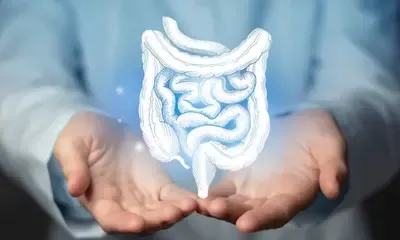
A healthy gut plays a bigger role than just digesting food without immediate discomfort; it’s a complex ecosystem within the intestines that lays the foundation to overall wellness. The health of your gut is linked to your immunity. With nearly 70 per cent of your immune system residing in the gut-associated lymphoid tissue (GALT), overloading your digestive tract with refined sugars and erratic meal timings could compromise your body’s ability to ward off those inevitable seasonal infections.
Optimal Microbiome Balance, often called the ‘heart of gut health’, helps stabilise gut microbiome by promoting growth of beneficial bacteria and minimising harmful bacteria. A healthy gut hosts a diverse and balanced community of trillions of microorganisms (gut microbiota). Gut microbiome balance, known as eubiosis, means a high ratio of beneficial bacteria (like lactobacillus and bifidobacterium) is present, which then keeps pathogenic (harmful) microbes in check. This check is promoted through consumption of nutritious foods and clean lifestyle habits.
A gut-safe celebration will allow you to savour festive food without the discomfort of bloating, acidity, or post-meal sluggishness.
The Gut Protocol
To guarantee gut health through proper digestion, avoid common mistakes like skipping meals or saving calories. Arriving at a party famished will only make you eat faster and result in over-consumption of calorie-dense party foods, thereby putting your digestive system under heavy stress. Instead, embrace the pre-load strategy — indulge in a small, protein-rich snack, such as a handful of almonds, a hard-boiled egg, or some plain curd, an hour before the event. This curbs hunger pangs, slows your eating pace when you start eating, and doesn’t stress your gut.
In addition to healthy foods, your gut needs hydration to prevent constipation and bloating. Consider sipping on fennel or mint water through the day prior to a party. These ingredients are natural carminatives that help with digestion during a food binge. Alcohol intake can make you dehydrated. To prevent this, you can abide by the 'one-for-one' rule, which means that for every glass of alcoholic beverage you consume, you follow-up with a glass of plain water.
The Art of Balancing
A balanced meal is ideal every day, but it assumes more importance during festivals. Try balancing what’s on your plate instead of the quantity of your intake. Before you reach for deep-fried snacks or syrupy sweets, ensure half your plate is filled with high-fibre components like salads, fresh vegetables, and some lean protein. Fibre acts as a buffer to slow down the rate at which fats and sugars are absorbed, and helps in smoother elimination. It also helps in digestive regularity by adding bulk to stool and speeding up the movement of waste through the digestive tract. This prevents constipation and ensures the efficient removal of toxins and metabolic waste, reducing their time in the colon.
The Slower the Better
Finally, master the art of slow, deliberate eating. Slow eaters are 42 per cent less likely to be obese. Since digestion formally begins in the mouth, eating too fast may result in delayed recognition of satiety (signal of fullness) by the brain.
Be fully present with your meal: put your fork or spoon down between bites and chew each mouthful thoroughly. If you are catching up with family or friends, pause eating when you talk. This deliberate act of mindful eating can reduce your total calorie intake as well as post-meal discomfort. A well-functioning gut promotes regular and effortless bowel movements without bloating, gas, acidity, or constipation.
The Immunity Fortress
While diet is paramount, protecting your immune system requires important lifestyle adjustments against seasonal and social stress. Firstly, master the sleep-immunity connection. Festive late nights could severely impair immune function. Quality sleep is when your body produces and releases cytokines, the proteins essential for fighting infection. This is why seven to eight hours of quality sleep is advised as it acts as your immunity medicine; a late night out is an immune debt which you might end up paying the week after. Equally important is learning to tame your stress.
The holidays are often synonymous with social pressure and stress, which can elevate cortisol, which is the immune-suppressing hormone. To lower your stress load, practice simple 10-minute mindfulness exercises or deep breathing daily. Lastly, commit to the post-meal movement mandate. Resist the urge to collapse onto the sofa after a large meal. Instead, take a 15-minute gentle walk after your main festive meal. This accelerates gut motility (preventing sluggishness) and improves blood circulation, which helps distribute immune cells throughout the body.
Every festival is meant to be enjoyed, but not at the expense of your gut health. A good gut is quiet, efficient, and acts as a strong inner wall of defence. It silently contributes to mood regulation, better energy levels, and disease prevention. By respecting the powerful connection between your gut and your immune system, you can navigate the feasting and late nights without harming your gut.
Dr. Uday Nagesh Shivaji,
Senior Consultant, Clinical Lead,
Medical Gastroenterology,
Narayana Health City, Bengaluru