Credit Cards Explained: How Swipe Culture Slowly Drains Your Wallet
In today’s fast-paced digital world, a credit card is no longer just a payment tool—it has become a lifestyle accessory. From shopping malls and online stores to food delivery apps and travel bookings, banks aggressively promote credit cards with promises of reward points, cashback, discounts, and up to 45 days of interest-free credit. While these benefits look attractive on the surface, the reality is far more complex. Behind every card swipe lies a well-designed business model that helps banks earn massive profits—often at the customer’s expense.
So how exactly does a credit card end up emptying your pocket? Let’s understand the full picture.
The biggest source of income for banks from credit cards is interest. When you make a purchase using your card, you usually get a grace period of up to 45 days to repay the amount without interest. However, the moment you miss the due date—even by a single day—the Annual Percentage Rate (APR) kicks in.
Credit card interest rates typically range from 15 percent to as high as 40 percent annually. What makes it worse is that interest is calculated daily on the outstanding balance. For example, if you miss the payment on a bill of ₹50,000, the amount can grow rapidly over time, sometimes doubling within months. This revolving credit system is where banks make their highest margins.
Once a customer starts paying only the minimum due instead of the full bill, the debt cycle becomes difficult to break, turning the cardholder into a long-term revenue source for the bank.
Interest is just one part of the story. Credit cards come with a long list of charges that many users overlook:
Annual or membership fees, ranging from ₹500 to ₹10,000 depending on the card type
Late payment charges, usually between ₹500 and ₹1,200
Cash withdrawal fees, typically 2.5 to 3.5 percent of the withdrawn amount, plus immediate interest
EMI conversion charges, which include processing fees and interest
Over-limit fees if spending exceeds the assigned credit limit
Individually, these charges may seem manageable, but together they significantly increase the cost of using a credit card irresponsibly.
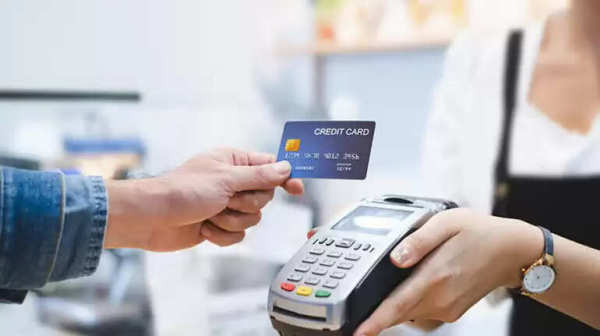
Banks don’t just make money from cardholders—they also earn from merchants. Every time you swipe your credit card at a store or online platform, the merchant pays an interchange fee, usually between 1 and 3 percent of the transaction value, to the bank.
Large e-commerce platforms often partner with banks to offer “bank-sponsored” discounts during sales. While customers enjoy instant savings, banks benefit by acquiring new users, increasing transaction volumes, and earning commissions from merchants.
This is also why credit cards encourage higher spending compared to debit cards. A debit card uses your own money, while a credit card gives access to borrowed funds, making it psychologically easier to spend more.
Reward points, cashback, free lounge access, and travel benefits make credit cards appealing. However, these perks are funded through interest income, merchant commissions, and user fees. In simple terms, disciplined users benefit, while those who delay payments indirectly pay for these rewards.
Banks rely on the fact that a large percentage of customers will occasionally miss payments, revolve balances, or withdraw cash—actions that generate high revenue.
Despite all this, credit cards are not inherently bad. For financially disciplined users, they can be powerful tools. Timely payment of 100 percent of the bill helps avoid interest completely, while rewards and cashback effectively reduce expenses. Credit cards also help build a strong credit score, which is useful for future loans.
Experts recommend avoiding cash advances, keeping credit utilization low, and setting reminders for due dates. Used wisely, a credit card can work in your favor rather than against you.
Credit cards thrive on convenience and human spending habits. One missed payment can turn a helpful financial tool into a costly liability. While banks earn billions through interest, fees, and commissions, the responsibility ultimately lies with the user.
Understanding how credit cards really work is the first step toward protecting your finances. Swipe smartly, pay on time, and ensure that the credit card serves you—not the other way around.