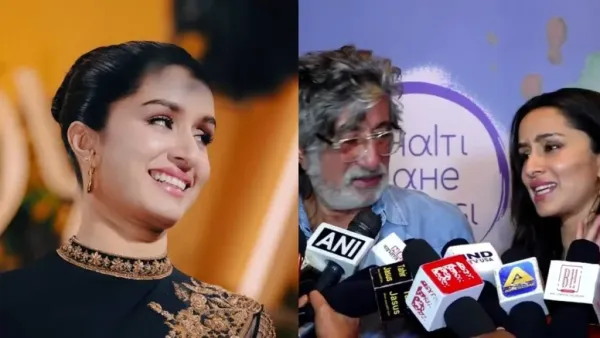
Shraddha Kapoor’s limited filmography compared with some of her contemporaries has been the subject of discussion among fans and industry observers, but her father veteran actor Shakti Kapoor says the explanation lies in choice and conviction rather than a lack of work. In a recent interview, he offered insight into his daughter’s career approach, explaining why she appears on screens less often yet commands a higher fee than actors like Alia Bhatt and Ananya Panday.
Shraddha, who has been part of Bollywood for over 15 years, built her early reputation with breakout roles in Aashiqui 2, Ek Villain and later hits such as Stree, which became a major commercial success. Despite this, she has kept her choices selective, appearing in around 18 films since her 2010 debut. In contrast, Alia Bhatt’s career includes a larger number of films across varied genres, and Ananya Panday has rapidly built up her filmography since her 2019 debut.
On the podcast The Powerful Humans, Shakti Kapoor addressed ongoing speculation about Shraddha’s fewer releases. He rejected the idea that she was struggling to secure roles, calling her “very stubborn” in choosing projects. According to him, she prefers quality over quantity and is careful about the films she signs, opting for scripts and collaborations that align with her sensibilities.

Shakti also directly referenced how Shraddha positions herself within the industry’s pay hierarchy. He stated that despite doing fewer films each year, typically one or two, she charges more than many of her contemporaries, explicitly mentioning Alia Bhatt and Ananya Panday as comparisons. This, he suggested, reflects her demand and standing rather than an absence of career opportunities.

Industry estimates support this claim, indicating that Shraddha’s per-film remuneration reportedly exceeds the ₹15 crore mark, while Alia Bhatt is often cited as earning around ₹10 to ₹12 crore per film. Ananya Panday, who is earlier in her career, is believed to command a lower fee, closer to ₹5 crore.
Shraddha’s strategy appears to underscore a broader philosophy about how she views her work and public presence. By limiting her annual output, she cultivates a sense of anticipation around each release, rather than diluting her brand with frequent appearances. Her choices show a preference for roles that offer depth or commercial promise, a pattern her father highlighted when he said she chooses the best films and adheres to her own ethical framework when making decisions.
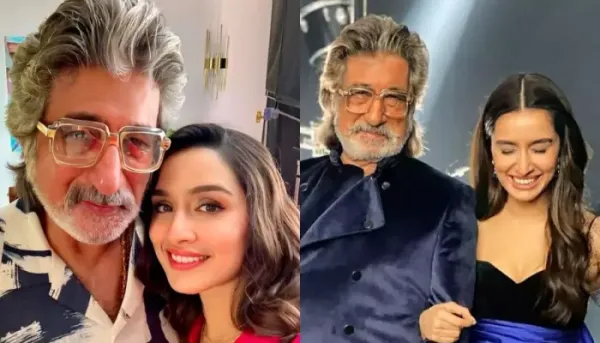
This selective approach, however, can sometimes be misread by audiences unfamiliar with the strategic considerations that artists weigh. Shraddha’s high fee, combined with fewer yearly projects, might look contradictory at first glance, but the explanation offered by Shakti Kapoor suggests deliberate positioning rather than industry rejection. In fact, her growing social-media influence, she ranks among the most followed Indian celebrities, and her association with major box-office successes indicate she remains a sought-after talent.
The discussion also brings to light how public narratives about actors often depend on visible frequency of work rather than behind-the-scenes choices. In Shraddha’s case, a reputation for being choosy and prioritising meaningful collaborations seems to have shaped both her career trajectory and her market value. This contrasts with the experience of actresses who take on a larger number of films or work in varied formats, and highlights the different ways success and remuneration can manifest in contemporary Bollywood.
For Shraddha Kapoor, the intersection of artistic selectivity, box-office success, and commanding remuneration underlines her unique position in the industry, one where personal principles and professional strategy shape not just her filmography but her perceived worth.