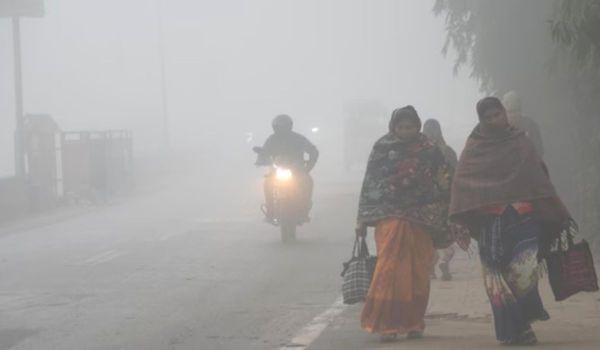
Bihar Weather Update: Cold wave conditions tightened their grip across Bihar as temperatures dropped sharply in several districts, creating challenging weather conditions for residents. According to official weather assessments, the mercury slipped below the 10-degree Celsius mark in many areas, signaling one of the harshest winter spells of the season. The sudden dip in temperature, combined with widespread fog, significantly impacted normal life and raised concerns related to health, transportation, and public safety.
The cold wave was not confined to a single region but extended across large parts of the state. Northern, central, and southern districts experienced biting cold winds, making outdoor activities uncomfortable, especially during early morning and late-night hours. Residents reported increased difficulty in commuting, while vulnerable populations such as children, elderly people, and daily wage workers faced heightened exposure to the cold.
Meteorological officials confirmed that multiple weather factors, including cold northerly winds and lack of sunlight due to fog cover, contributed to the persistent low temperatures. These conditions are typical during peak winter but appeared more intense this time due to prolonged fog and cold day scenarios.
Several districts emerged as the coldest locations in Bihar during this cold wave. Aurangabad and Sabour in the Bhagalpur region recorded the lowest minimum temperature at around 7.4 degrees Celsius. Close behind were Gayaji, Bhagalpur, and Sheikhpura, all reporting temperatures well below normal winter averages.
Other areas such as Valmiki Nagar in West Champaran, Dehri, Jehanabad, and Saharsa also experienced chilling conditions, with minimum temperatures hovering between 9 and 9.5 degrees Celsius. These readings highlight the widespread nature of the cold wave and its impact across both rural and urban regions.
In addition to the cold wave, dense to very dense fog blanketed many districts, significantly reducing visibility. Weather authorities issued an orange alert for multiple regions, warning residents and administrations to remain cautious. Fog conditions were particularly severe during the early morning hours, when visibility dropped drastically on highways and open roads.
Districts affected by heavy fog included East Champaran, West Champaran, Gopalganj, Siwan, Saran, Sitamarhi, Sheohar, Muzaffarpur, Vaishali, Patna, Bhojpur, Buxar, Kaimur, Rohtas, Aurangabad, Arwal, and Jehanabad. In these areas, thick fog layers lingered for several hours, delaying travel and increasing the risk of accidents.
Low visibility caused by fog disrupted road traffic, with slower vehicle movement reported on major routes. Rail services were also affected, as trains experienced delays due to safety protocols related to reduced visibility. Air travel operations faced challenges as well, particularly during early morning schedules.
Authorities urged transport departments to remain alert and ensure safety measures were strictly followed. Drivers were advised to use fog lights, avoid high speeds, and maintain safe distances. Pedestrians and cyclists were also encouraged to exercise caution while moving in low-visibility conditions.
Weather officials advised residents to take necessary precautions to protect themselves from extreme cold. People were encouraged to wear adequate warm clothing, avoid unnecessary exposure during early mornings, and pay special attention to children and elderly family members. Health experts also cautioned against the risk of cold-related illnesses such as hypothermia, respiratory infections, and seasonal flu.
Local administrations were urged to remain vigilant and prepared, particularly in fog-prone districts. Emergency services, traffic police, and healthcare facilities were asked to stay on alert to respond promptly to weather-related incidents.
Meteorological observations suggest that cold wave and fog conditions may persist for some time, depending on wind patterns and atmospheric changes. Residents are advised to stay updated with local weather forecasts and advisories. Continued awareness and precautionary measures can help minimize the impact of harsh winter conditions until temperatures begin to rise.