Makar Sankranti is one of the most significant festivals in Hindu tradition, marking the transition of the Sun into Capricorn (Makar Rashi). This celestial movement symbolizes the end of the inauspicious period known as Kharmas and the beginning of an auspicious phase when weddings and other holy ceremonies can resume. Every year, the festival is observed around January 14, but in 2026, devotees will celebrate Makar Sankranti over two days, making it a rare and spiritually important occasion.
Across India, Makar Sankranti is celebrated by different names — Pongal in Tamil Nadu, Uttarayan in Gujarat, Lohri in Punjab (a day earlier), and Khichdi festival in parts of North India. It is also widely associated with harvesting season, gratitude towards nature, and welcoming the longer days of the Sun.
Let’s take a detailed look at the dates, auspicious timings, and rare planetary alignment behind the extended celebration in 2026.
Why Makar Sankranti Is CelebratedAccording to Hindu beliefs, when the Sun shifts its position from Sagittarius (Dhanu Rashi) to Capricorn, it begins its northward movement, called Uttarayan. Scriptures describe Uttarayan as a highly auspicious period that brings positivity, spiritual growth, and prosperity.
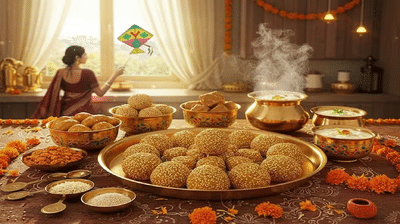
This festival is marked by ritual baths in holy rivers, charitable offerings, flying kites, preparing sesame-based sweets, and performing acts of devotion to harness divine blessings.
Makar Sankranti 2026 Date and TimingsAs per the Hindu Panchang, the Sun will enter Capricorn on:
📌 January 14, 2026 (Wednesday) at 03:13 PM
This exact moment marks the Makar Sankranti Sankraman — the transition point considered holy for rituals.
Auspicious TimingsMaha Punya Kaal:
From 03:13 PM to 04:58 PM
(Duration: 1 hour 45 minutes)
Punya Kaal:
From 03:13 PM to 05:45 PM
(Duration: 2 hours 32 minutes)
These timings are believed to bring maximum spiritual merit during sacred baths, donations, and worship rituals.
Why Makar Sankranti Will Be Celebrated for Two DaysAlthough the Sun enters Capricorn on January 14, the Punya Kaal continues into the next day. As per religious tradition, if the Sankranti moment occurs after sunset or later in the day, the main rituals shift to the following sunrise.
Therefore, in 2026:
January 14, 2026 — Sankranti begins
January 15, 2026 — Day for main rituals like bath, charity, sesame offerings, and auspicious festivities
This alignment makes the festival two-day long, offering devotees extended opportunities for holy observances.
A Rare Spiritual CombinationAdding to the significance, Shattila Ekadashi also falls on January 14, 2026.
This rare conjunction happens only once in several decades.
On Shattila Ekadashi, sesame (til) is used in six sacred ways — in charity, food, bathing, worship, fire rituals, and anointing. It is believed to:
Remove financial troubles
Strengthen health and well-being
Bring prosperity and peace
The combination of Makar Sankranti + Ekadashi is considered extremely auspicious for earning divine blessings.
Spiritual Significance of RitualsMany people take holy dips in rivers like the Ganga, Yamuna, and Godavari to cleanse sins and negativity. Donating food, warm clothes, and especially sesame and jaggery is believed to open the path to prosperity.
Families celebrate with:
Kite flying
Special delicacies like til-laddu and khichdi
Paying gratitude to the Sun God for life and harvest
Makar Sankranti 2026 will be extraordinarily meaningful, not only because of its two-day celebration but also due to the rare celestial alignment with Shattila Ekadashi.
With extended Punya Kaal and spiritually powerful rituals, devotees can look forward to a festival filled with joy, gratitude, blessings, and prosperity.