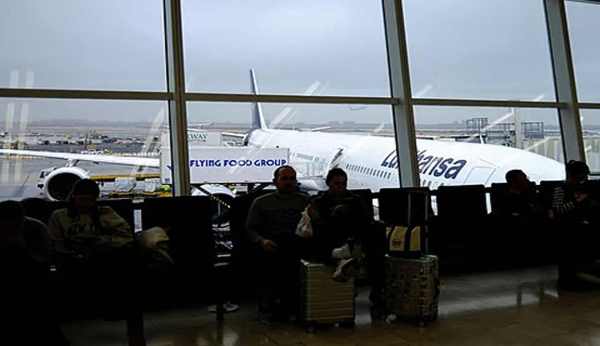
US: The peak holiday travel season in the United States faced major disruption as severe winter weather led to widespread flight cancellations and delays across the country. Thousands of passengers were impacted as airlines struggled to maintain schedules amid heavy snowfall, freezing temperatures, and storm warnings across key regions. The situation created travel uncertainty for families returning from Christmas holidays and added pressure on already busy airports.
Weather Conditions Impacting Air Travel
A powerful winter storm system swept across large parts of the Midwest and northeastern United States, bringing heavy snow, icy winds, and sharply falling temperatures. Meteorological authorities warned that the storm would intensify overnight, making both air and ground travel increasingly dangerous. Snow accumulation was expected to be particularly heavy in urban hubs, with forecasts predicting several inches of snowfall in major cities.
The storm system initially affected the upper Great Lakes region before gradually shifting its focus toward the northeast. Weather officials cautioned that road and runway conditions would deteriorate quickly, increasing the risk of delays and operational shutdowns. The combination of snow-covered runways and limited visibility forced airlines to cancel flights preemptively to ensure passenger safety.
Scale of Flight Cancellations and Delays
By early Friday afternoon, more than 1,100 flights across the United States had already been canceled, while close to 4,000 flights experienced delays. These numbers continued to fluctuate throughout the day as weather conditions evolved. The data highlighted the significant operational challenges airlines faced while attempting to manage aircraft rotations, crew availability, and passenger connections.
Flight tracking platforms reported that several major airports consistently ranked among the most affected, reflecting the widespread nature of the disruption. Travelers experienced long wait times, rebooking challenges, and uncertainty regarding departure schedules. For many, alternative travel options were limited due to the simultaneous impact on road travel.
Impact on Major Cities and Airports
Airports serving New York emerged as some of the hardest hit during the storm. A large share of the canceled flights originated from or were destined for the New York metropolitan area, where snowfall was expected to reach dangerous levels overnight. City officials issued winter storm warnings and urged residents to limit non-essential travel.
Municipal authorities confirmed that emergency response teams and road-clearing crews were deployed to manage snow accumulation and maintain essential services. Despite these efforts, airport operations remained strained as airlines attempted to clear aircraft and reposition resources. Chicago-area airports also reported significant delays, adding to the nationwide ripple effect.
Airline and Passenger Challenges
Airlines faced logistical difficulties as aircraft and crew members were displaced due to weather-related cancellations. Once flights are grounded in one location, it often creates a cascading effect across multiple destinations. This is especially disruptive during holiday periods when aircraft schedules are tightly packed and seat availability is limited.
Passengers were advised to monitor airline notifications closely, check flight status frequently, and allow extra time for airport procedures. Many travelers sought to reschedule flights or request refunds, placing additional demand on customer service systems. Airlines encouraged flexibility, offering fee waivers and alternative booking options in response to the extraordinary circumstances.
Safety Warnings and Official Advisories
Weather authorities issued repeated advisories emphasizing the risks associated with travel during the storm. Officials warned that icy roads and reduced visibility could make driving hazardous, particularly for those returning from holiday gatherings. Travelers were encouraged to delay trips when possible and follow local safety guidance.
City leadership echoed these warnings, stressing the importance of public cooperation during severe weather events. Snow removal operations were prioritized for major roads and emergency routes, while airports coordinated closely with weather services to determine safe operating windows.
Broader Implications for Holiday Travel
The disruption underscored the vulnerability of air travel systems to extreme weather, especially during high-demand periods. Winter storms remain one of the leading causes of seasonal travel chaos, affecting not only flights but also rail and road networks. As climate patterns become more unpredictable, airlines and airports continue to invest in improved forecasting tools and contingency planning.
For travelers, the experience served as a reminder to plan ahead, consider travel insurance, and remain adaptable when weather-related issues arise. While the storm caused frustration and inconvenience, safety remained the primary concern for authorities and airlines alike.