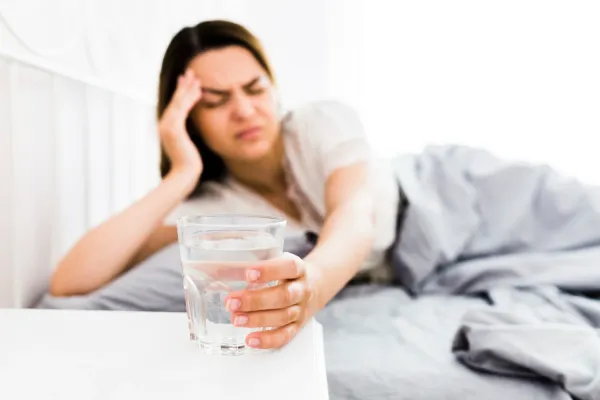
While a drink or two may look harmless, excessive consumption can lead to more than a hangover, or even . Many people wake up with stomach discomfort, acidity, bloating, or diarrhoea. These symptoms are not coincidental; they reflect alcohol's disruptive effects on the digestive system, which extend far beyond next-day bathroom habits.
Alcohol and the Digestive Tract
The digestive system includes the mouth, throat, oesophagus, stomach, intestines, rectum, and accessory organs such as the pancreas, gallbladder, and liver. Alcohol interacts directly with the delicate mucosal linings of these organs, causing irritation, inflammation, and in some cases, long-term damage. Let's see how alcohol effects the following:
- Oral cavity: Alcohol dries out the mouth, damages mucosal linings, and disrupts salivary glands. It also kills beneficial bacteria, contributing to gum disease and oral infections.
- Pharynx and oesophagus: These tissues are exposed to pure alcohol immediately after ingestion, making them highly vulnerable. Excessive drinking weakens the oesophageal sphincters, leading to acid reflux and heartburn. Chronic irritation can cause oesophagitis and increase the risk of oesophageal cancer, particularly squamous cell carcinoma.
Alcohol and the Stomach
Once alcohol reaches the stomach, it irritates the lining and alters acid production. This can result in:
- Excess acid: Leading to abdominal discomfort, reflux, gastritis, and peptic ulcers.
- Reduced acid: Impairing digestion and nutrient absorption, causing indigestion.
- Mucosal damage: Heavy drinking can cause lesions, bleeding, and ulcers.
Do you know that even a single episode of binge drinking can induce gastric mucosal injury. Some people taking non-steroidal anti-inflammatory drugs (NSAIDs) such as ibuprofen after drinking, which can worsen these lesions.
Alcohol and the Intestines
Alcohol disrupts the gut microbiome by killing beneficial bacteria, leading to dysbiosis. This imbalance contributes to bloating, indigestion, and irregular bowel movements. It also promotes inflammation in the small and large intestines, known as duodenitis and colitis.
Another consequence is intestinal hyperpermeability, or "leaky gut," where toxins and bacteria pass into the bloodstream, triggering inflammation. Alcohol metabolism in the colon produces acetaldehyde, a toxic by-product that accumulates due to low levels of protective enzymes. This contributes to diarrhoea, inflammation, and increased risk of bowel cancers. Moderate to heavy drinking raises the risk of colon and rectal cancers by up to 1.5-fold.
Alcohol also worsens conditions such as inflammatory bowel disease (IBD), including Crohn's disease and ulcerative colitis. It disrupts the microbiome, increases permeability, and heightens immune activation, leading to flare-ups and relapses.
Impact on the Liver, Pancreas, and Gallbladder
Liver: The liver metabolises alcohol but can only process limited amounts at a time. Excess intake during festive season leads to toxic by-products such as acetaldehyde, causing inflammation and raising the risk of fatty liver, hepatitis, fibrosis, cirrhosis, and liver failure. Even a single binge can trigger alcoholic hepatitis, especially in those with undiagnosed fatty liver disease.
Pancreas: Heavy drinking can cause acute or chronic pancreatitis, impairing enzyme production and digestion. It is also linked to pancreatic cancer.
Gallbladder: Alcohol promotes inflammation and may increase the risk of gallbladder stones and cancer.
Dehydration and Diarrhoea
Alcohol acts as a diuretic, increasing urine output and depleting fluids. It also draws water into the intestines and accelerates bowel movements, leading to diarrhoea. Drinking on an empty stomach or mixing alcohol with sugary beverages worsens these effects. Dehydration contributes to fatigue, dizziness, and low mood, compounding digestive discomfort.
Festive Season Challenges
Year-end celebrations often combine alcohol with rich, spicy food, late nights, and cumulative exhaustion. This combination puts extra strain on the digestive system. Prolonged drinking hours, mixing different beverages, inadequate nutrition, and exposure to cold weather during New Year's Eve create a high-risk environment for alcohol-related harm.
Preventive Steps for Gut Health
While the only way to fully protect the gut is to avoid alcohol, there are practical measures to reduce its impact:
- Moderate intake: Limit alcohol and avoid binge drinking.
- Hydration: Drink water or electrolyte-rich fluids between alcoholic drinks.
- Balanced meals: Eat before drinking to slow absorption and protect the stomach lining.
- Avoid sugary mixers: These worsen bloating and diarrhoea.
- Probiotics and prebiotics: Foods like yoghurt, sauerkraut, garlic, and oats help restore gut bacteria.
- Rest: Adequate sleep supports recovery.
- Avoid NSAIDs: Do not take ibuprofen or similar drugs after drinking, as they aggravate gastric damage.
Recovery and Medical Advice
Gut recovery after alcohol varies. While gut barrier function may improve within three weeks of abstinence, the microbiome can take longer to restore. Symptoms such as bloating or reflux may resolve within days, but chronic damage requires medical supervision. Persistent vomiting, blood in stool, severe abdominal pain, or jaundice should prompt immediate medical attention.
during the festive season does more than cause hangovers-it disrupts the entire digestive system, from the mouth to the intestines and accessory organs. By understanding how alcohol irritates mucosal linings, alters acid production and gut bacteria, and stresses vital organs, we can cause more than just a hangover. Moderation, hydration, balanced nutrition, and rest are essential to enjoy celebrations without the painful aftermath of gut trouble.
(By Dr. Sarada Pasangulapati, Consultant Medical Gastroenterologist and Hepatologist, Yashoda Hospitals, Hyderabad)
Disclaimer: The opinions expressed within this article are the personal opinions of the author. NDTV is not responsible for the accuracy, completeness, suitability, or validity of any information on this article. All information is provided on an as-is basis. The information, facts or opinions appearing in the article do not reflect the views of NDTV and NDTV does not assume any responsibility or liability for the same.