Cybercrime Alert:
India is witnessing a growing threat from a sophisticated cyber fraud known as the SIM Box scam, which allows criminals to cheat thousands of people simultaneously while staying under the radar. Recently, the Central Bureau of Investigation (CBI) carried out a major nationwide operation against a cybercrime network using SIM Box devices across Delhi, Noida, and Chandigarh. During the raids, officials recovered over 21,000 illegally obtained SIM cards, exposing the massive scale of the operation.
The crackdown has once again highlighted how cybercriminals are misusing gaps in the telecom ecosystem to carry out phishing attacks, financial fraud, and identity theft, impacting citizens across the country.
A SIM Box is an electronic device capable of holding hundreds or even thousands of SIM cards at the same time. While such devices can have legitimate telecom-testing purposes, criminals misuse them for illegal activities.
In a SIM Box scam, fraudsters use these devices to convert international calls into local Indian calls, making them appear legitimate. This technique helps criminals bypass international call charges and telecom regulations. Once installed, SIM Boxes are also used to send bulk SMS messages containing phishing links, fake loan offers, fraudulent investment schemes, and scam job advertisements.
Because the messages originate from Indian mobile numbers, victims often trust them, making SIM Box scams particularly dangerous and effective.
The scam follows a well-organized and systematic process:
Illegal SIM Procurement:
Cybercriminals acquire thousands of SIM cards using fake documents, stolen identities, or through agents who exploit weak verification processes.
SIM Box Setup:
These SIM cards are loaded into SIM Box devices connected to servers, internet dongles, and software that automate calling and messaging operations.
Mass Messaging and Calls:
The system sends lakhs of SMS messages every day, often impersonating banks, government departments, delivery services, or financial institutions.
Victim Trapping:
Messages usually contain malicious links or urgent instructions, prompting users to share OTPs, banking details, Aadhaar numbers, or PAN information.
International Involvement:
According to investigators, even foreign cybercriminals were using Indian SIM Boxes to target Indian citizens, turning this into a cross-border cybercrime network.
By masking international activity as domestic traffic, criminals make it extremely difficult for telecom companies and law enforcement agencies to trace the source.
The SIM Box scam poses several serious risks:
Victims may unknowingly share sensitive banking details, leading to unauthorized transactions, drained accounts, or fraudulent loans in their names.
Personal data collected through phishing can be misused for future crimes, including opening fake accounts or committing financial fraud.
When international calls are disguised as local traffic, it complicates surveillance and monitoring, raising concerns about espionage, terrorism funding, and organized crime.
Such scams reduce public trust in digital communication, online banking, and mobile services.
Cybersecurity experts urge citizens to stay alert and follow basic digital safety practices:
Do not click on links in SMS messages offering instant loans, high-return investments, prizes, or job opportunities.
Check the sender carefully. Scam messages often come from unfamiliar or randomly generated mobile numbers.
Never share OTPs, PINs, or banking details over phone calls or text messages.
Enable spam filters and caller ID protection features on your smartphone.
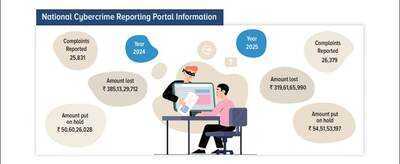
Report suspicious messages immediately on the government’s cybercrime portal: cybercrime.gov.in.
Contact your bank immediately if you suspect fraud and block your account or cards if necessary.
Update passwords regularly and use strong, unique passwords for banking and financial apps.
The recent CBI action against SIM Box operations has exposed the alarming scale of this cyber fraud. With thousands of illegal SIM cards and international networks involved, the SIM Box scam represents a serious threat to individual users and national cybersecurity.
Staying informed, cautious, and proactive is the strongest defense against such scams. As cybercriminals become more advanced, user awareness remains the key to staying safe in an increasingly digital world.