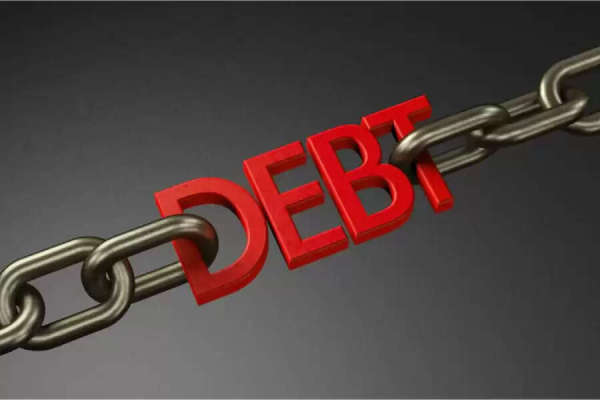
Debt Trap: If you are only paying the minimum amount due on your credit card or loan every month, this is the first and most common sign of a debt trap. While making minimum payments might prevent you from appearing as a defaulter, in reality, your principal amount remains almost unchanged, and the interest keeps accumulating.
Debt Trap: Falling into debt is rarely a sudden decision in anyone's life. In most cases, it's a slow and almost invisible process that takes shape over time. A phone is bought on EMI, a credit card is used to manage expenses towards the end of the month, and then a personal loan is taken to "manage" old dues.
Initially, these decisions don't seem risky or problematic. Every payment is made on time, the EMIs seem "manageable," and it feels like everything is under control. But gradually, these seemingly easy decisions combine to create a situation that financial experts call a debt trap.
The worrying thing is that this problem is growing rapidly. According to CRIF Highmark, the default rate for credit card accounts overdue for more than 90 days has increased to 15 percent by March 2025. This increase comes at a time when credit card spending is continuously rising.
This directly means that a large number of people have reached the limit of their repayment capacity, and in many cases, they only realize it when things get out of hand. This is why it becomes crucial to identify the early signs of debt in time. Because debt doesn't become dangerous when it's taken, but when it quietly starts to dominate your life.
You are only paying the Minimum Due
If you are only paying the minimum amount due on your credit card or loan every month, this is the first and most common sign of a debt trap. Paying only the minimum amount might prevent you from being labeled a defaulter, but in reality, your principal amount remains almost unchanged, and the interest keeps accumulating. For example, paying only the minimum on a ₹1 lakh credit card bill can mean paying for years, and the total interest paid can exceed the amount spent.
What to do?
When money is tight, people often take out one loan to pay off another. For example, a personal loan to pay off a credit card, a cash advance for medical expenses, or a new card to pay EMIs. This is where the real debt trap begins. Instead of decreasing, the debt piles up layer by layer, and you get stuck in a payment cycle.
What to do?
The principal doesn't decrease even after paying EMIs
If you are paying EMIs every month, but the actual outstanding loan amount is barely decreasing, it's a clear sign that you are caught in a debt trap. This usually happens when the interest rate is very high, the EMI tenure is very long, or you are only making minimum payments. In this situation, you are only paying to maintain the status quo each month, not to get out of debt.
What to do?
A balanced budget should have room for EMIs, essential expenses, and savings. But if a large portion of your salary goes towards EMIs as soon as you receive it, you are not in Planning Mode, but in Survival Mode. For example, if a person earning ₹75,000 is paying ₹25,000–₹30,000 just in EMIs and still has outstanding credit card debt, it's a warning sign. Experts generally advise that your total EMIs should not exceed 30-35% of your income.
What to do?
This is the most dangerous sign. If you have been working for many years but have no emergency fund, no monthly savings, and have to take out loans for unexpected expenses, then your financial growth has stalled. Lack of savings means that every medical emergency, every car repair, and every job risk turns into new debt.
What to do?
Falling into a debt trap is not a sign of irresponsibility. In today's world, credit is easily available, expenses arise unexpectedly, and EMIs seem easy at first until they become overwhelming. The good news is that by recognizing the signs at the right time, and with a little planning and discipline, you can get out of this trap.
Disclaimer: India Employment News does not provide any recommendations for buying or selling in the stock market. We publish market-related analyses based on market experts and broking companies. However, make market-related decisions only after consulting certified experts.