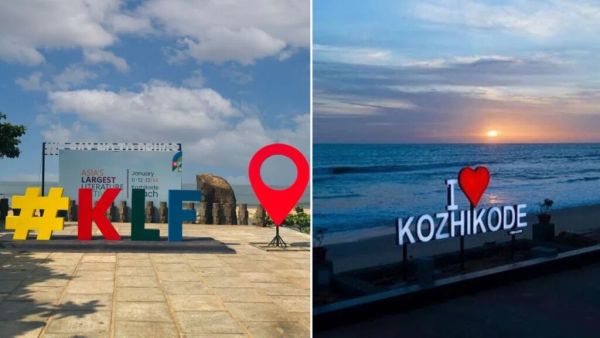
New Delhi: Kozhikode has always thrived on the steady exchange of spices, ideas and stories carried across oceans and centuries. Once a key port on the Malabar Coast, the city grew through trade, migration and conversation, shaping the city’s cultural identity. If you plan to attend the Kerala Literature Festival 2026, you will witness history become visible in everyday moments. Book-lined streets buzz with dialogue, cafés turn into debate spaces, and the sound of the sea quietly frames conversations on language, politics and art. The festival seamlessly blends into it, making the city open and waiting to be explored.
From January 22 to 25, 2026, India’s first UNESCO City of Literature is expected to welcome over 6.5 lakh visitors, more than 400 speakers and 250 sessions from 17 countries, with Germany as the Guest Nation. Writers, artists, economists and performers will transform Kozhikode into a living archive of ideas. For travellers, the experience extends well beyond the festival grounds, offering a deeper way to understand the city through its food, neighbourhoods, coastline and everyday life.
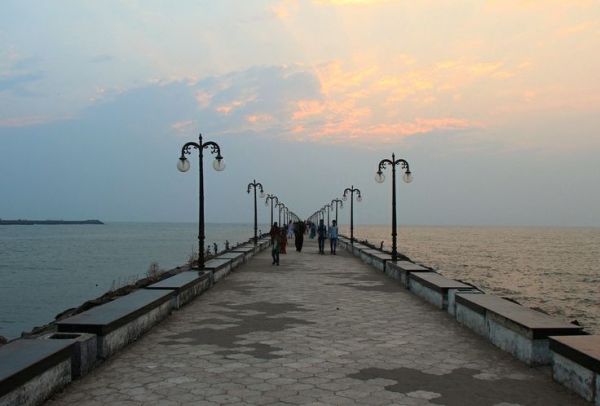
Kozhikode Beach is ideal for sunset walks and casual evenings after sessions. Kappad Beach carries historic weight as the site where Vasco Da Gama first landed, marked by rocky shores and open views. Beypore Beach, near the old port town, offers a meeting point of river and sea with a strong maritime character.
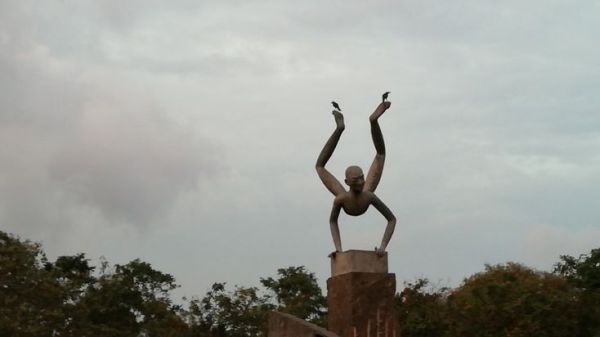
This landscaped garden with a central pond sits at the heart of the city, surrounded by colonial-era buildings and the Town Hall. It works well for a quiet pause between discussions.
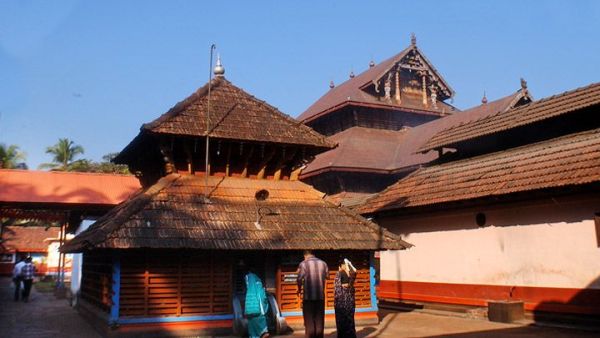
Built by the Zamorins, this is one of Kozhikode’s oldest temples. Its presence reflects the city’s long spiritual and cultural continuity.
A reminder of Kozhikode’s trading past, this street is lined with old merchant homes, spice shops and heritage cafés. Evenings here are perfect for slow walks and local snacking.
These neighbourhoods reveal the city’s plural history, where mosques, temples and traditional Kerala homes exist within walking distance. Ideal for unhurried heritage exploration.
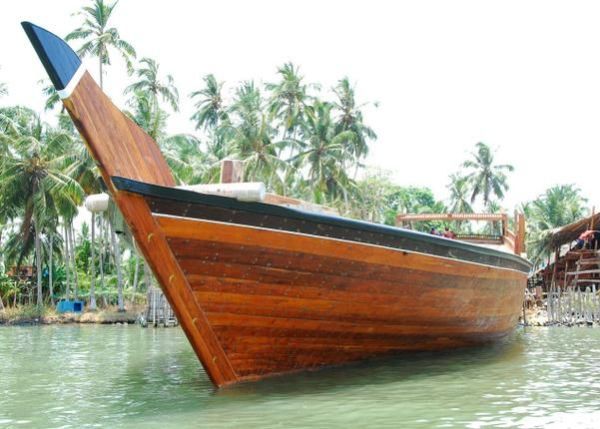
At Beypore, artisans still build massive wooden uru boats entirely by hand. Watching the process offers a rare window into centuries-old maritime traditions.
A refreshing break from literary sessions, especially for families and students seeking interactive learning.
Quiet and restorative, this is where river meets sea. Early mornings bring migratory birds and calm waters, perfect after packed festival days.
The city’s most vibrant market stretch, filled with halwa shops, banana chips, handlooms and street food that reflect Kozhikode’s everyday life.
Paragon remains legendary for Malabar biryani and seafood, while M-Grill offers a more contemporary dining experience with refined grills.
A round-the-clock, no-frills spot serving comforting Malabari meals that locals trust and visitors quickly adopt.
Known for traditional Kerala lunches, this place focuses on fresh seafood and simple, flavour-forward cooking.
Famous for its fish breakfast, this early-morning stop delivers an authentic taste of local life.
During the Kerala Literature Festival 2026 in Kozhikode, explore its streets, shores and kitchens to turn a literary visit into a deeply cultural journey.