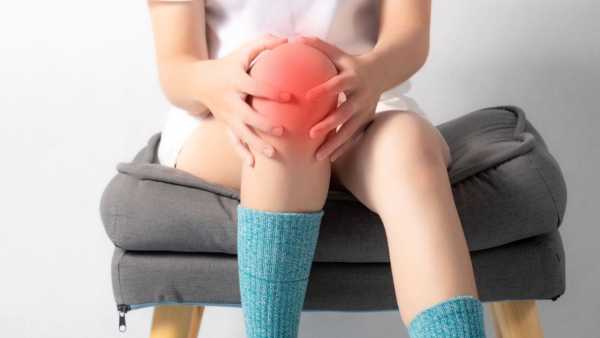
As soon as the winter season starts, many people start feeling pain in joints, stiffness and difficulty in walking. This pain increases especially in the morning or after sitting in the same position for a long time. As the cold increases, the body's activity also becomes limited, due to which problems related to joints become more clearly visible. Many people ignore it considering it to be an age related problem, while for some people it starts affecting their everyday life. Joint pain in winter is not limited only to the elderly, but the youth can also fall prey to it.
In such a situation, it is important to understand that in the cold season joint pain Why does it increase, which people need to be more cautious and how can it be prevented?
Dr. Akhilesh Yadav at Max Hospital It is said that due to falling temperature in the winter season, stiffness is felt in the muscles and joints, due to which pain and stiffness increases. Due to cold, the flexibility of the body reduces and people start avoiding physical activity, which has a direct impact on the flexibility of the joints. Apart from this, blood flow may slow down in winter, due to which adequate heat and nutrition does not reach the joints. The elderly, arthritis and osteoarthritis patients and people already suffering from joint pain are more at risk.
This problem can also increase in people who work sitting in the same position for a long time and do not do regular exercise. Due to hormonal changes, deficiency of calcium and vitamin D in women, joint pain is more common in winter. If timely attention is not given, this pain can gradually become serious and affect everyday activities.
Keep your body and joints covered in cold.
Do light exercise and stretching daily.
Take bath with lukewarm water.
Do not sit in the same position for a long time.
Take a balanced diet, which includes calcium and vitamin D.
If the pain is severe, consult a doctor.