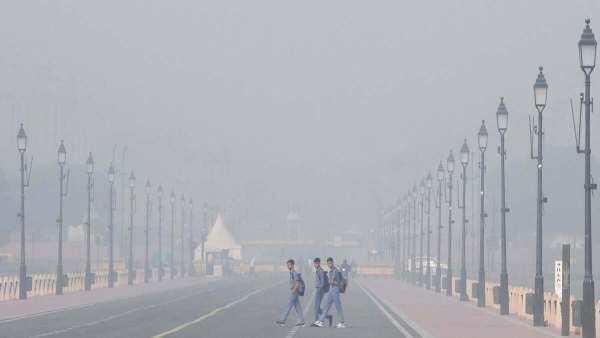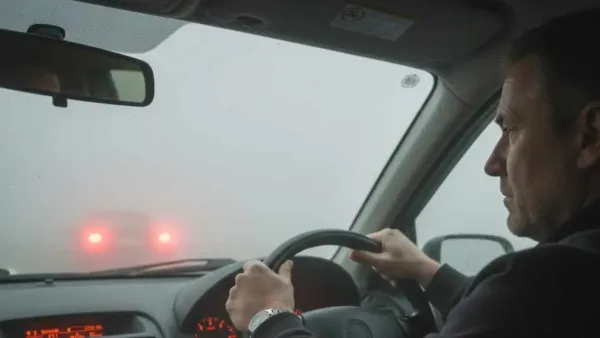
Safe Driving in Dense Fog: Dense fog during winter months has become a serious challenge across many northern regions, turning everyday travel into a risky task. Reduced visibility, damp roads, and unpredictable traffic movement together create dangerous driving conditions. Every year, numerous road accidents and fatal crashes are reported due to poor visibility caused by fog. While it may not be possible to avoid travel entirely, understanding the right driving techniques can significantly reduce risks. With awareness, patience, and disciplined driving habits, motorists can navigate foggy roads more safely. Below are five essential and practical tips that can help drivers maintain control and safety while driving in foggy weather conditions.
One of the most critical aspects of safe driving in fog is maintaining clear visibility from inside your vehicle. Before starting your journey, ensure that your front windshield, rear windshield, side windows, and mirrors are thoroughly cleaned. Dust, moisture, or smudges on glass surfaces can severely worsen visibility when combined with fog. Even a thin layer of dirt can distort light and create glare.
Using the vehicle’s defogger system is equally important. Defoggers help maintain a clear windshield by balancing temperature and humidity inside the cabin. This prevents condensation buildup that can further reduce visibility. A clean and clear glass surface allows drivers to better judge road markings, nearby vehicles, and sudden obstacles.
Overtaking in fog is one of the most dangerous driving behaviors. Limited visibility makes it nearly impossible to accurately assess the speed and distance of oncoming vehicles. Even a minor miscalculation can result in head-on collisions or side impacts.
Staying within your lane and following lane markings is the safest approach. Lane discipline provides predictability for other road users and reduces confusion. Foggy conditions demand cooperation among drivers, and avoiding overtaking helps maintain smoother traffic flow and lowers accident risks significantly.
Speed control plays a crucial role in fog driving safety. Reduced visibility means reduced reaction time. Driving fast in fog leaves little room to respond to sudden braking, stalled vehicles, pedestrians, or animals on the road.
Maintaining a slower, steady speed allows drivers to stay in control and respond calmly to unexpected situations. Safe driving is not about reaching your destination quickly but reaching it safely. Keeping a safe following distance from the vehicle ahead also prevents chain collisions, which are common during foggy mornings.
Communication on the road becomes more important when visibility is low. Indicators act as a warning system for other drivers, letting them know about your intentions in advance. In foggy weather, indicators should be used earlier than usual.
Activating indicators at least ten seconds before changing lanes or making a turn provides ample time for other drivers to react. This practice reduces sudden movements and helps prevent rear-end collisions. Clear signaling ensures smoother coordination between vehicles even when visibility is compromised.
Many drivers mistakenly believe that using high beam headlights improves visibility in fog. In reality, high beams reflect off fog particles and create glare, making it harder to see the road ahead. This reflection can strain the eyes and reduce focus.
Low beam headlights are more effective in foggy conditions as they illuminate the road surface without excessive reflection. If your vehicle is equipped with fog lamps, using them alongside low beams enhances visibility close to the ground. Proper lighting helps drivers spot lane markings, road edges, and nearby vehicles more clearly.
Apart from technical driving tips, mental readiness is equally important. Foggy driving requires calmness, patience, and alertness. Avoid distractions, keep both hands on the steering wheel, and stay focused on the road. Listening to traffic updates can also help you stay informed about road conditions ahead.
Driving in fog is not about advanced skills but about disciplined behavior. Respecting road conditions and adjusting driving habits accordingly can save lives.