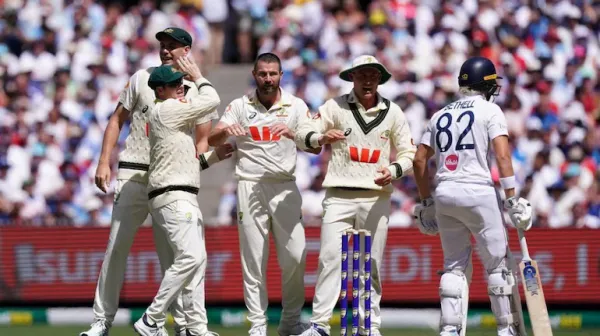
Controversy at the MCG: The Melbourne Cricket Ground, often celebrated as one of the most iconic venues in international cricket, recently found itself at the center of a fresh controversy. The historic stadium hosted a two-day Ashes Test match between England and Australia, an outcome that surprised fans and experts alike. What should have been a showcase of elite Test cricket instead reignited an ongoing debate about pitch preparation, fairness, and the consistency of international cricket regulations.
The match at the MCG concluded in just two days, raising eyebrows across the cricketing world. Test cricket is traditionally admired for its endurance, strategy, and ability to challenge players over five days. However, this contest saw an unusually rapid collapse of batting line-ups from both teams. A total of 36 wickets fell within only 142 overs, highlighting how dominant the bowlers were throughout the game.
The pitch at the Melbourne Cricket Ground offered excessive seam movement and unpredictable bounce. While some movement is expected in Test matches, the scale seen in this game made batting extremely difficult. Even technically sound batters struggled to survive at the crease, leading many observers to question whether the pitch crossed the fine line between being competitive and being unfair.
This was not the first time during the Ashes series that a match ended prematurely. Earlier, the Perth Test had also wrapped up quickly due to a bowler-friendly surface. Despite similar characteristics, the Perth pitch reportedly received a very positive evaluation. This comparison intensified discussions around how pitch assessments are made and whether uniform standards are truly applied across different venues.
Former players and analysts have often questioned the transparency of pitch rating systems. In this case, the appointment of a new match referee for the Melbourne and Sydney Tests added another layer to the discussion. Observers speculated that even a slight change in wording from previous assessments could reflect deeper inconsistencies in how pitches are judged, despite producing nearly identical match outcomes.
One of the strongest reactions came from the suggestion that pitch curators in certain countries are judged more harshly than others. Critics argue that when matches in Australia or England end quickly due to extreme conditions, the pitches are often praised for competitiveness. In contrast, when similar situations occur in the subcontinent, local groundsmen are frequently blamed for poor preparation.
Such debates go beyond one match or one venue. They touch the very essence of Test cricket, which thrives on balance between bat and ball. When surfaces heavily favor one discipline, the quality of the contest can suffer. Players, fans, and administrators all share a responsibility to preserve the integrity and global appeal of the longest format of the game.
Consistency in pitch ratings is crucial for maintaining trust in international cricket governance. If players and teams feel that standards vary based on location or reputation, it can lead to resentment and undermine the credibility of governing bodies. Transparent evaluation criteria and accountability are essential to ensure fairness across all cricket-playing nations.
The Melbourne Test has once again highlighted long-standing concerns about pitch preparation and evaluation in international cricket. While challenging conditions are part of the game’s charm, excessive imbalance raises valid questions. As Test cricket continues to evolve, addressing these issues openly will be key to protecting its tradition, competitiveness, and universal respect.