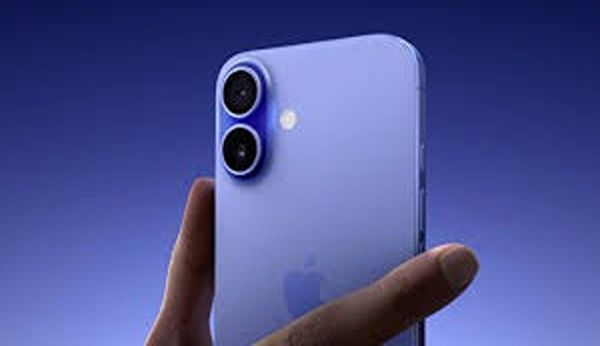
Apple’s Strategic Shift: Every year, Apple’s September event sets the tone for the global smartphone industry. Consumers, analysts, and competitors closely watch how the company refines its flagship devices and introduces new ideas. After the launch of the iPhone 17 lineup and the addition of the iPhone Air, fresh reports suggest that Apple is preparing an unexpected change to its release strategy. According to industry discussions, Apple may skip launching the standard iPhone 18 in 2026 and instead focus on premium and experimental models. While this move may initially surprise many users, it appears to be part of a broader plan to reshape Apple’s product cycle and strengthen its long-term positioning.
A New Direction in Apple’s iPhone Launch Strategy
Apple has traditionally followed a predictable annual pattern: a base iPhone model accompanied by Pro variants. Skipping the regular iPhone 18 would mark a significant departure from this approach. However, this does not mean Apple will reduce its presence in 2026. On the contrary, reports indicate that the company intends to make its fall event more exclusive by highlighting advanced devices that showcase innovation rather than incremental updates.
This strategic shift may allow Apple to better differentiate its products. By temporarily removing the standard model from the lineup, the company can push consumers toward higher-end options, while also creating anticipation for a later release of the base version. Such a move aligns with Apple’s growing emphasis on premium experiences, longer device lifecycles, and diversified product categories.
Expected Premium Launches in Fall 2026
Instead of unveiling a vanilla iPhone 18, Apple is expected to concentrate on three major devices during its 2026 fall event. These include the iPhone 18 Pro, iPhone 18 Pro Max, and a completely new foldable iPhone. Together, these products could redefine what users expect from Apple’s smartphone portfolio.
By narrowing the focus to high-end models, Apple can dedicate more attention to cutting-edge design, performance improvements, and advanced hardware features. This approach also helps the company stand out in a market that is increasingly crowded with similar-looking smartphones.
Design and Display Changes in iPhone 18 Pro Models
One of the most talked-about upgrades in the iPhone 18 Pro and Pro Max models is the front display design. Apple is rumored to move away from the Dynamic Island, replacing it with a punch-hole selfie camera and under-display Face ID sensors. This change could result in a cleaner, more immersive screen that appeals to users who prioritize media consumption and gaming.
On the rear side, Apple may adopt a more uniform single-tone finish, moving away from the two-tone aesthetic seen in earlier Pro models. This refined design language could give the devices a more polished and minimalist appearance, reinforcing Apple’s premium identity.
Performance, Battery, and Camera Enhancements
Under the hood, the iPhone 18 Pro series is expected to be powered by the upcoming A20 Pro chipset. This processor is likely to deliver noticeable gains in speed, efficiency, and artificial intelligence capabilities. Such improvements would support demanding tasks like high-resolution video editing, advanced photography, and immersive augmented reality experiences.
Battery capacity is also rumored to increase, potentially resulting in slightly heavier devices. However, for many users, longer battery life will outweigh concerns about added weight. On the photography front, Apple may introduce variable aperture technology for the main camera. This would allow users to manually control depth of field, offering greater creative flexibility and more professional-looking images.
Apple’s Entry into the Foldable Smartphone Market
Perhaps the most significant highlight of Apple’s 2026 lineup could be the introduction of its first foldable iPhone. This device is expected to feature a wide form factor, with a compact cover display and a larger inner screen when unfolded. Both displays are rumored to use AMOLED technology, ensuring vibrant colors and deep contrast.
The foldable iPhone is likely to include multiple cameras, including dedicated selfie cameras for both displays. Powered by the same A20 Pro chipset as the Pro models, the device would deliver flagship-level performance in a new form factor. Reports also suggest a slim profile, making the foldable iPhone feel refined rather than bulky.
Pricing is expected to be on the higher end, reflecting the complexity of the technology and Apple’s premium positioning. While such a device may not appeal to every consumer, it could attract early adopters and users seeking a distinctive smartphone experience.
What Happens to the Standard iPhone 18
Although Apple may skip the standard iPhone 18 in 2026, this does not mean the model is canceled. Instead, it is expected to arrive in early 2027 alongside the iPhone 18e and the iPhone Air. This staggered release strategy could help Apple maintain consistent interest throughout the year rather than concentrating all attention on a single event.
By spacing out launches, Apple can better target different customer segments, manage supply chains more efficiently, and give each device its own moment in the spotlight. For consumers, this could mean clearer choices and less pressure to upgrade immediately.
Conclusion: A Calculated Move for the Future
Skipping the iPhone 18 in 2026 may seem unconventional, but it reflects Apple’s willingness to rethink established patterns. By focusing on Pro models and innovative form factors, the company can reinforce its leadership in design and technology. At the same time, delaying the standard model could build anticipation and allow Apple to refine its offerings further. If executed well, this strategy may strengthen Apple’s ecosystem and set a new standard for smartphone launches in the years to come.