As 2026 approaches, many employees across the UAE are quietly rethinking what “progress” at work really means.
A new regional survey shows that only 46 per cent of people plan to ask for a pay rise next year — a sharp fall from 71 per cent in 2025 — underscoring a growing sense of caution in the workforce.
The Middle East Workforce Hopes and Fears Survey 2025 reveals that job security has overtaken salary growth as the top concern, with 85 per cent of respondents prioritising stability when considering new roles. The shift comes at a time when artificial intelligence is becoming deeply embedded in everyday work: 75 per cent of employees in the region used AI tools in their roles over the past year, while nearly a third are now using GenAI tools daily — outpacing the global average.
Stay up to date with the latest news. Follow KT on WhatsApp Channels.
Recruiters and HR leaders in the UAE highlight that these numbers reflect a deeper change in mindset, shaped by global uncertainty, restructuring, and the rapid pace of technological change.
Hesitation around pay conversationsNisha Nair, Recruitment Manager at Innovations Group, said the hesitation around pay conversations is less about a lack of ambition and more about realism.
“Job security becoming the top priority reflects a realistic response to global uncertainty, restructuring, and rapid technological change.
People are still ambitious, but uncertainty in global markets and regional economic shifts has made them more selective, and the focus is increasingly on sustainable employment rather than rapid career leaps.”
Nisha Nair
Nair explained that many employees are deliberately holding back, worried that being overly assertive about salary could make them appear expendable in an unpredictable labour market increasingly influenced by automation and AI.
“There is also a cultural shift toward prioritising long-term stability over short-term gains. While some employees are satisfied with their current compensation, a significant portion is simply waiting for the right moment to discuss increments, they are choosing to demonstrate value quietly through performance, reliability, and skill development, rather than through salary negotiations.”
HR professionals across the country emphasise that this cautious approach is visible in day-to-day conversations. Employees are showing greater patience with promotions and are even open to lateral moves if a role offers security, learning opportunities and a supportive culture.
Nair added, “There is a clear trade-off emerging: employees are willing to accept slower progression in exchange for a stable work environment, comprehensive benefits, and a supportive organizational culture. Upskilling and gaining relevant experience are still high priorities, but the pace of career advancement is being balanced against risk mitigation.”
From an employer’s perspective, experts say this creates both a challenge and an opportunity. Organisations that can offer psychological safety, clarity and long-term learning pathways are likely to retain talent — even without aggressive pay hikes.
Randa Bahsoun, Partner at PwC Middle East, said security and support now sit alongside innovation as key retention tools.
“As employees confidently embrace change, build new capabilities and show remarkable adaptability with AI, they also want to feel secure and supported.
Organisations that provide clarity on how roles will evolve, expand access to learning and protect wellbeing will be the ones that retain talent and get ahead in a fast-changing labour market.”
For many UAE-based professionals, the shift is deeply personal.
Shabeel Ummer, Head of Human Resources at Dubai-based V Group International, said the decline in salary demands should not be mistaken for disengagement.
“When employees stop asking for more pay, it doesn’t mean they’ve stopped wanting more. It means they’re watching more closely how the organisation shows commitment to them. Motivation has shifted from the ‘money first’ priority to meaning and momentum. In several performance discussions, employees told me they didn’t need an immediate pay increase, but they did want acknowledgment.”
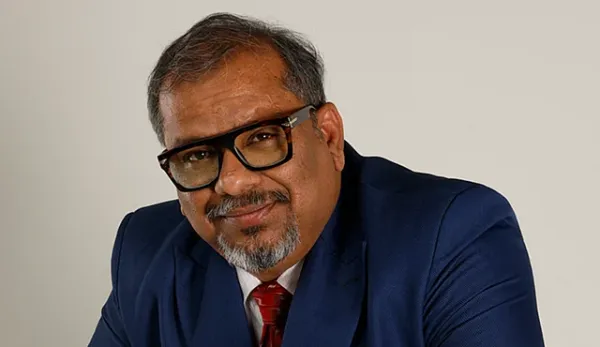
Shabeel Ummer
Valuing predictabilityUmmer added that he has seen candidates and employees make decisions rooted in predictability and trust, often with families and long-term security in mind.
“I’ve personally had candidates tell me they turned down offers with higher pay because the role felt uncertain or the organisation couldn’t clearly explain its long-term plans."
"At the same time, I’ve seen employees choose to stay in roles they are comfortable with, even if growth is slower, because they value predictability and trust in their employer. That tells me people are not disengaged; they are protecting themselves and their families.”
Career coaches in Dubai say the muted demand for salary hikes is also closely linked to anxiety about relevance in an AI-driven workplace.
Hemant Jain, Executive and Career Transformation Coach, believes restraint — not satisfaction — is driving the trend.
Hemant Jain
“This muted demand for salary hike is definitely not satisfaction; it is fear and restraint. Most professionals are also figuring out how to stay relevant."
"Careers are becoming more non-linear. I am recommending my mid and senior management coaching clients to choose horizontal movement over rapid upward moves; in a bid to become more relevant and even irreplaceable in their organisations by becoming multi-functional and cross-functional experts.”
Why more UAE employees are 'job-hugging' instead of quitting UAE jobs: Nearly half of firms plan to hire more staff in 2026; top sectors revealed AI adoption surges across Middle East workforce as employees embrace tech-driven future