Cyprus is now entering its fourth consecutive year of drought, exceeding the typical cycle of dry periods that usually last up to three years, sparking concerns across the island nation. Water flow into Cyprus's dams has been described as "tragic" since October, with reserves continuing to shrink as consumption exceeds supply, according to the chief technical engineer of the Water Development Department on Monday (December 29).
Marios Chatzikostis said the total inflow since October 1 has reached just 1.7 million cubic metres - an amount he described as insignificant. "For any substantial improvement in the situation, average inflow would need to be between 10 and 12 million cubic metres," he told the Cyprus Mail. For context, the Water Development Department's data shows that the average inflow for the final three months of the year over the past three and a half decades stands at 13 million cubic metres.
Despite rainfall being above expected levels in areas such as Polis Chrysochous and the capital, Nicosia, the increased rainfall has not translated into water storage as these places do not have dams and, therefore, has done little to ease pressure on national reserves.
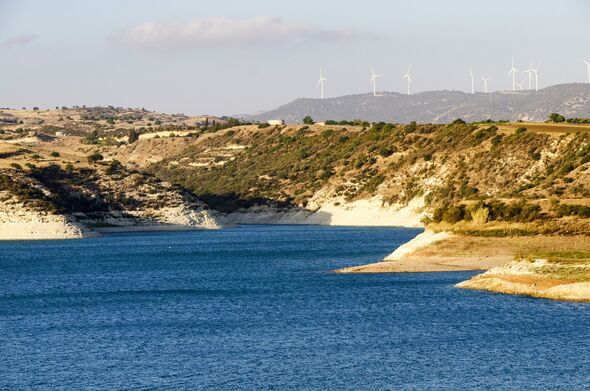
According to Mr Chatzikostis, the situation can only be reversed by sustained, heavy rainfall over several days in mountainous catchment areas that supply major dams, such as Kouris (the island's biggest), Asprokremmos and Evretou.
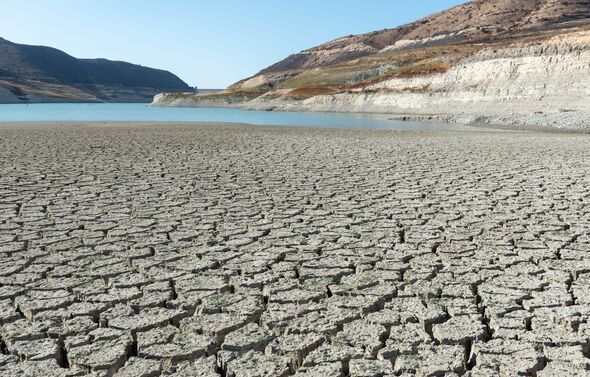
According to departmental figures, Cyprus has not seen a drought of this level since 2008. As of late 2025, water reservoirs were critically low, with some having less than 15% capacity and historically submerged structures becoming fully visible. This included the Saint Nicholas church in the hills above Limassol, which is normally submerged in the Kouris Reservoir.
The prolonged drought conditions have placed farmers under increasing strain, with many having faced repeated water shortages that have affected their plantations. Indeed, earlier this month, Cyprus's Government approved up to €18.8 million (£16.4 million) in financial assistance for around 8,600 farmers, particularly grain farmers, whose crops were damaged by prolonged drought and severe weather in 2025.
Mr Chatzikostis has urged the public to use water sparingly, warning that "droughts will continue and climate change is worsening the situation".
Annual rainfall has decreased by an estimated 15% over the past 90 years, while temperatures in Nicosia have risen by 1.8C in the past century - double the global average, according to official data.
Demand for water has surged threefold since 1990, primarily due to population growth and a rise in tourism, leaving Cyprus with a persistent water deficit. The country has a population of just under one million, while nearly three million tourists visit each year.
Desalination was first introduced in Cyprus in 1997 and now accounts for approximately 70% of the country's drinking water needs. Mobile plants from the UAE were installed in the summer, with authorities planning to establish more next year. Ultimately, the Government aims for desalination to meet the needs of all households and businesses.