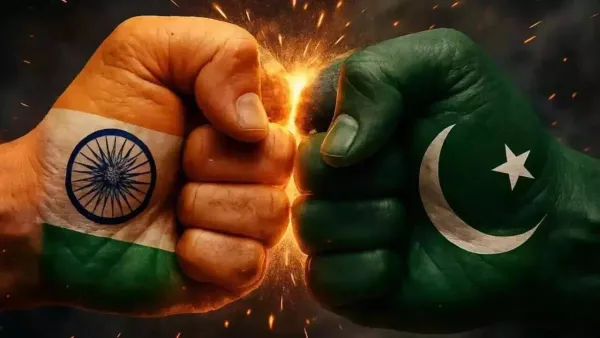
India-Pakistan: India has categorically dismissed China’s assertion that it played a mediating role in easing tensions between India and Pakistan during the brief military escalation earlier this year. According to official sources, New Delhi has reiterated that the ceasefire following the four-day confrontation, referred to as Operation Sindoor, was the outcome of direct communication between the two nations, without the involvement of any external power. This clarification reflects India’s long-standing diplomatic position on bilateral conflict resolution and underscores its resistance to third-party intervention in sensitive regional matters.
Indian authorities have emphasized that the understanding to end hostilities was achieved exclusively through established military communication channels. The ceasefire was finalized after a direct hotline conversation between the Directors General of Military Operations of India and Pakistan. These discussions, held during the peak of tensions, focused on restoring stability along the border and preventing further escalation. Indian officials have consistently highlighted that such mechanisms exist precisely to manage crises efficiently and independently.
The clarification from New Delhi followed remarks made by China’s foreign minister, who listed tensions between India and Pakistan among several global hotspots that China claimed to have mediated this year. Indian policymakers responded firmly, stating that these remarks do not reflect the reality of how the ceasefire was achieved. From India’s perspective, attributing a mediatory role to any third country misrepresents the facts and undermines the principle of bilateral engagement.
During a press briefing in mid-May, India’s Ministry of External Affairs provided specific details regarding the ceasefire process. Officials outlined the exact date, time, and nature of the communication between the military leaderships of the two countries. The emphasis on precise timelines was intended to remove ambiguity and reaffirm that the agreement was the result of direct dialogue rather than international facilitation.
India has long maintained that issues with Pakistan must be addressed bilaterally, without external mediation. This position is rooted in past diplomatic agreements and reflects concerns that third-party involvement can complicate rather than resolve disputes. Indian officials argue that direct engagement allows for clearer accountability and more sustainable outcomes, particularly in matters involving national security and sovereignty.
In Beijing, Chinese leaders have spoken about their approach to international conflicts, presenting China as an advocate for dialogue and stability. Chinese officials have cited involvement in multiple global issues, including regional conflicts and nuclear negotiations, as examples of this approach. However, India views the inclusion of the India-Pakistan situation in this narrative as inaccurate and politically motivated.
China’s actions during Operation Sindoor attracted significant attention within India, particularly due to reports of military assistance extended to Pakistan. Analysts and policymakers in New Delhi viewed these developments as evidence of Beijing’s strategic alignment with Islamabad. This perception has reinforced concerns about the impact of China-Pakistan relations on regional security and on China’s own ties with India.
On the diplomatic front, China had urged restraint from both sides during the escalation, while expressing regret over India’s military actions. Although such statements were framed as calls for peace, Indian observers noted a lack of balance in China’s public messaging. The episode has served as a reminder of the complexities shaping Asia’s geopolitical landscape and the challenges India faces in managing relations with neighboring powers.
India’s rejection of China’s mediation claim is not merely a dispute over narrative but a reaffirmation of its core foreign policy principles. By stressing bilateral mechanisms and rejecting third-party involvement, New Delhi aims to maintain strategic autonomy and clarity in its regional engagements. As regional dynamics continue to evolve, this episode highlights the importance India places on direct dialogue, transparency, and sovereignty in addressing security challenges.