
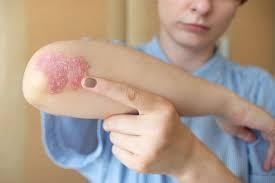
Psoriasis is a skin disease that usually appears in people as red rashes and scaly layers on the skin. It is not contagious, but it is a long-term disease, which can affect a person’s lifestyle and mental health. Experts say that psoriasis is not only a skin problem but also an imbalance of the immune system.
1. Who is at risk?
Psoriasis can affect people of all ages, but certain groups are more susceptible:
Hereditary causes: If someone in the family has psoriasis, the risk increases.
People with weak immune system: The possibility of psoriasis increases when immunity is reduced due to infection, serious illness or stress.
Stress and lifestyle: Excessive mental stress, irregular sleep and unbalanced diet can promote this disease.
Skin injury or allergy: Cuts, scratches, or allergies can cause skin inflammation and psoriasis rashes.
2. Symptoms of Psoriasis
skin rash
White or silver colored layers on the affected areas
problem of itching and burning
occasional pain and swelling in joints
3. How to avoid and control
Reduce stress: Yoga, meditation and regular exercise help in reducing stress.
Healthy diet: Consuming vitamin D, omega-3 fatty acids, fruits and vegetables helps in keeping the skin healthy.
Skin care: Use hydrating creams and mild soap.
Sunlight: Limited and controlled sun exposure provides Vitamin D, which is beneficial for the skin.
Avoid smoking and alcohol: These can weaken the immune system and aggravate psoriasis.
4. Doctors’ advice
Dermatologists say that timely diagnosis and proper treatment of psoriasis is very important. Apart from medicines, changes in lifestyle and diet help in reducing the severity of the disease.
Bank of India Recruitment: Candidates up to 40 years can also apply, salary more than 1 lakh


