How does Bill Skarsgard’s IT: Welcome to Derry finale outshine Noah Schnapp, Millie Bobby Brown’s Stranger Things Season 5: Volume 2 and 3?
GH News January 02, 2026 02:06 PM
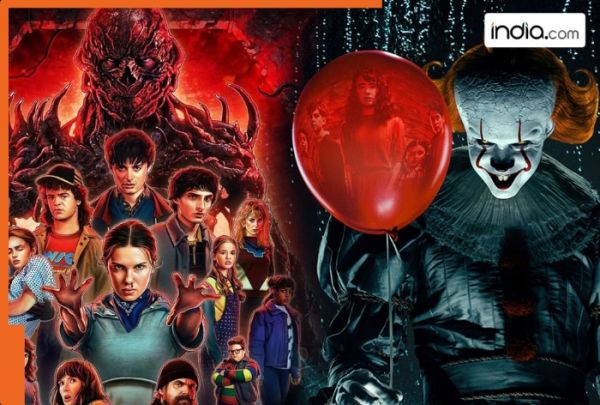
As 2025 came to close the television world witnessed heated clash between horror and sci-fi fans. For nearly ten years Stranger Things led by Millie Bobby Brown Noah Schnapp and their ensemble had dominated the “kids on bikes” genre. But arrival of prequel series IT: Welcome to Derry set in eerie and bone-chilling Derry Maine has begun to challenge that reign.
Where Stranger Things leaned on nostalgic thrills and sprawling cast of characters IT: Welcome to Derry focused on single intense nightmare delivering a concentrated emotional impact that many viewers found more satisfying especially after most-awaited finale episode of Stranger Things that arrived on January 1 2026.
The conflict that led to the argument
The finale of the Pennywise origin story helmed by Andy Muschietti arguably outshines the concluding volumes of the Duffer Brothers Stranger Things saga by embracing a less is more philosophy. While the finale of Hawkins conflict struggled under the weight of too many subplots and a bloated runtime of 2 hours and 8 minutes the Derry conclusion focused on the psychological decay of a town.
Bill Skarsgård’s return didn’t just offer jump scares; it provided a chilling look at how evil is woven into the very fabric of a community. By staying grounded in the horrific origins of the Deadlights the prequel avoided the superhero fatigue that some critics felt hampered the final battles in the alternate dimension.
The ending and the unnecessarily drawn characters
In the final volumes of the Hawkins story many fans felt that the plot armor surrounding the core cast like Eleven and Will became too thick. Despite the high-stakes battle against Vecna and the OG baddie Mind Flayer the ending felt somewhat safe. In contrast the Derry finale was a bloodbath. Because viewers knew the monster survives until the modern day the tension came from seeing how the 1962 protagonists were systematically dismantled. This gave every scene a sense of dread that the more heroic sci-fi series lacked in its final hours.
The finale episodes of IT: Welcome to Derry and Stranger Things Season 5: Volume 3
The prequels conclusion didnt just hint at tragedy; it reveled in it. In a shocking turn during the finale episode the Hanlon family’s stand at the Black Spot became a literal slaughterhouse. Unlike the fake-out deaths often seen in other teen dramas the show committed to the kill. We watched in horror as the primary protagonist of the 1962 timeline was dragged into the crawlspace of the silver refinery his screams cut short as Pennywise transitioned into a spider-like form for the first time on screen.
On the other hand one of biggest gripes regarding the Volume 3 finale was handling of Eight (Kali) played by Linnea Berthelsen. After years of fan theories suggesting she would return to help Eleven defeat Vecna her contribution was essentially non-existent. While Eleven was locked in a psychic struggle with Henry Creel many expected a massive team-up of the numbered children. Instead Eight’s character remained a distant memory a side quest from Season 2 that never integrated into the main plot. This lack of payoff made the entire Sister arc feel like wasted screen time leaving a glaring hole in the series mythology that the writers seemingly chose to ignore in favor of a more standard heros journey.
The return of Bill Skarsgård and technical brilliance
The technical execution of the prequel’s finale surpassed the CGI-heavy spectacle of its rival thanks to Daniel Vilar Rasmus Heise Luc Montpellier Paul Sarossy Catherine Lutes. Skarsgård’s performance remains the gold standard for modern horror. While the Hawkins finale relied on massive scale and multi-dimensional portals the Maine series used practical effects and psychological surrealism to create a claustrophobic atmosphere. The Deadlights sequence in the finale was a visual masterpiece that felt more innovative than the repeated aesthetics of the Upside Down.
Why Derry won the narrative war?
The primary reason the prequel felt more complete was its commitment to its theme. It explored the idea that some evils cannot be defeated by friendship alone—they are systemic. While Noah Schnapp Millie Bobby Brown Sadie Sink Winona Ryder Jamie Campbell Bower and many others gave career-best performances their storys need to provide fan service and happy endings for most characters diluted the horror. The Maine prequel ended on a note of cosmic indifference that stayed with the audience long after the credits rolled and left an anticipation for more things in future.
How is it justified to make a full-fledged franchise over all the hype to ruin it at last?
This is the burning question for modern television. We often see franchises extend their stay until the original magic is lost. When a show builds up years of mystery the payoff must be perfect to justify the investment. Some argue that by expanding the 1980s sci-fi world into five seasons and multiple spin-offs the creators risked thinning the plot. If a finale feels like a checklist of happy endings rather than a logical conclusion it can feel like the hype was a trap. A franchise is only justified if the ending honors the journey rather than just keeping the brand alive for the sake of merchandise.
Comparing the legacy of some iconic finales
When we look at the history of television the perfect ending is a rare beast. Many compare the divisive ending of Stranger Things to the final season of a famous Game Of Thrones where the scale was massive but the character logic felt rushed and unearned. On the other hand the Derry prequel aspires to the ranks of legendary endings like those of the Albuquerque drug kingpin saga Breaking Bad or its legendary spin-off Better Call Saul by master of storytelling Vince Gilligan.
Those shows succeeded because they remained true to their characters trajectories no matter how dark they became. Similarly the German time-travel masterpiece Dark helmed by Baran bo Odar and Jantje Friese is often cited as the gold standard for a planned intricate conclusion. By opting for a grim cyclical ending that perfectly loops into the existing movies the IT prequel achieved a level of narrative perfection that the sprawling often-changing world of the Upside Down simply couldnt match.