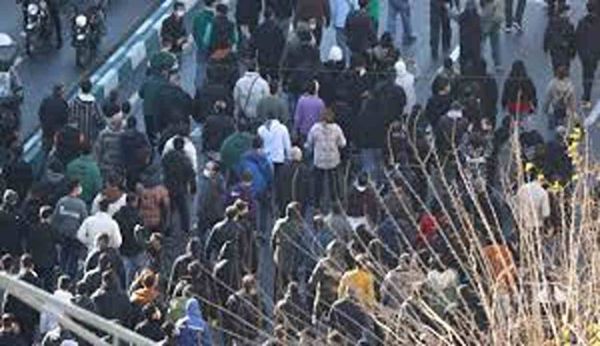
Iran: Public anger over worsening economic conditions has erupted into widespread protests across multiple provinces of Iran, turning streets into flashpoints of confrontation between demonstrators and security forces. Over the past 24 hours, gatherings that initially began as expressions of economic frustration have escalated into violent clashes, resulting in deaths, injuries, and mass arrests. Reports from international and local media describe a tense atmosphere as authorities attempt to regain control while citizens continue to voice deep-seated grievances linked to inflation, unemployment, and the collapse of purchasing power.
In several cities, protesters reportedly confronted police units directly, throwing stones, damaging public property, and setting vehicles ablaze. According to coverage cited by CNN, local outlets claimed that unrest intensified when unidentified individuals allegedly used weapons amid the chaos. Officials stated that firearms were later seized from a small number of people, although independent verification of these claims remains unavailable. These allegations have fueled competing narratives about whether the demonstrations are purely civilian-led or infiltrated by violent actors.
One of the most serious incidents occurred in Lordegan county in Chaharmahal and Bakhtiari Province, where clashes between dozens of protesters and police reportedly led to at least two deaths. Local reporting attributed the unrest to attacks on government offices, banks, and other state-linked buildings. It remains unclear whether those killed were civilians or members of the security forces, adding further uncertainty to an already volatile situation. Videos circulating online appear to show confrontations between uniformed officers and stone-throwing demonstrators, though their authenticity has not been independently confirmed.
The earliest confirmed fatality connected to the current wave of unrest was reported in Kuhdasht, a city in Lorestan Province. A member of the Basij paramilitary force was killed, while more than a dozen others were injured during nighttime clashes. State-affiliated media aired footage of a wounded police officer receiving treatment after allegedly being set on fire. The Basij force, often deployed to suppress protests, has long been a symbol of the government’s hardline approach to internal dissent.
Authorities have responded swiftly with mass detentions. In Kuhdasht alone, prosecutors confirmed that around twenty individuals were taken into custody following the clashes, according to reports from Tasnim News Agency. In Malard county, west of Tehran, officials announced the arrest of thirty more people on charges related to disturbing public order. Local administrators argued that some detainees had traveled from neighboring areas, suggesting a coordinated element behind the protests.
Beyond isolated incidents, the protests reflect a broader national crisis. Shop owners, bazaar merchants, and university students have joined demonstrations in several major cities. Many chanted slogans condemning government policies as the national currency fell to historic lows. Rising living costs, limited job opportunities, and shrinking savings have intensified pressure on ordinary citizens, pushing diverse social groups into the streets.
Observers note that the current demonstrations represent the most significant wave of public dissent since the nationwide protests of 2022. Those earlier events were triggered by the death of Mahsa Amini while in police custody and evolved into a broader movement demanding social and political reforms. While the present unrest is more directly tied to economic hardship, it carries similar undertones of frustration with governance and restrictions on personal freedoms.
The unfolding situation has drawn international attention. The US State Department expressed concern over reports of intimidation, violence, and arrests targeting protesters. In a public statement shared online, officials urged Iranian authorities to halt the crackdown and respect citizens’ rights. The message emphasized unity among Iranians from different walks of life who share a common demand for dignity and accountability.
Although the protests remain limited in scale compared to past nationwide movements, they signal a critical phase in Iran’s ongoing struggle with economic instability and public dissatisfaction. Citizens appear increasingly willing to reclaim public spaces, even at personal risk, through spontaneous and uncoordinated acts of resistance. As inflation rises and trust in institutions erodes, the government faces mounting pressure to address economic realities rather than rely solely on force.