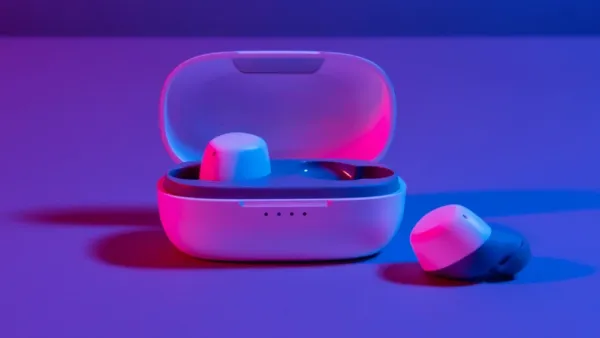
Competitive mobile online battle arenas (MOBAs) like League of Legends: Wild Rift, Vainglory or the mobile-adapted skirmishes in broader multiplayer titles demand split-second sensory feedback. In a match decided by milliseconds, hearing the right footsteps, spell cues or ultimates at the right moment can tilt an outcome. That is why “ultra-low-latency” earbudswhich promise far tighter audio-to-visual sync than ordinary TWS (true wireless stereo) buds, are now being marketed heavily to mobile gamers in India. But are they actually useful for MOBA players, and are they catching on?
This feature examines latency benchmarks, battery, fit and practical features, and reads how the market in India is responding.
Manufacturers typically advertise gaming modes with latency claims in the 30–50 millisecond (ms) range. For example, several mainstream models now claim 40ms game modes as a headline spec, while some niche or gaming-label earbuds push for 30ms figures in lab conditions. These numbers are useful but must be understood cautiously: measured latency varies by phone chipset, Bluetooth codec, OS optimizations and whether the manufacturer’s “game mode” is engaged. A 40ms spec on a marketing page is a promising sign, but real-world performance often depends on the whole device-plus-earbuds chain.
Independent reviewers and Indian tech outlets show that modern mainstream TWS can indeed make a noticeable difference for gaming. Brands aimed at mobile gamers and some general consumer models with a dedicated gaming mode report latency reductions from everyday levels (often 100–200ms) down to the advertised 30–50ms range when game mode is enabled. Reviews of budget and mid-tier gaming TWS report usable 30–40ms results, which, for most MOBA gameplay, will feel significantly tighter and reduce distracting lip-sync mismatch. Yet, absolute comparatives still matter: a player using a 30ms pairing against an opponent with wired headphones or a direct 3.5mm connection will still be at a marginal disadvantage.
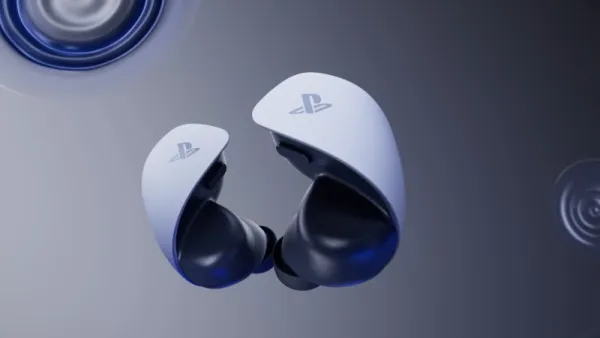
Ultra-low-latency modes tend to increase power draw slightly because they favour constant high-priority Bluetooth links and sometimes higher bitrate codecs. Product pages and Indian reviews indicate that many gaming-oriented earbuds manage respectable battery life, which is often advertised as 30–40 hours including the case for general use, but with single-session gaming durations closer to 5–10 hours depending on volume and ANC use. Fast-charge features (10 minutes of charging for several hours of play) are common and valuable for competitive players who turn up for short, intense sessions. In India’s on-the-move gaming culture, where a commuter match or a café meetup might be typical, the combination of moderate single-session life plus rapid top-ups is more important than headline total hours
Latency and specs matter only if the earbuds stay in your ears and remain comfortable for long sessions. For MOBA players who tilt and flick for tens of minutes at a stretch, physical fit, passive isolation and low-pressure tips are essential. Lightweight stems or ergonomic wingtips are increasingly common in gaming TWS, and Indian buyers show clear preference for models that offer multiple tip sizes and a secure fit, especially given varied ear anatomy and humid climates. A good fit also improves perceived latency because stable positioning reduces the need for adjustments that interrupt focus.
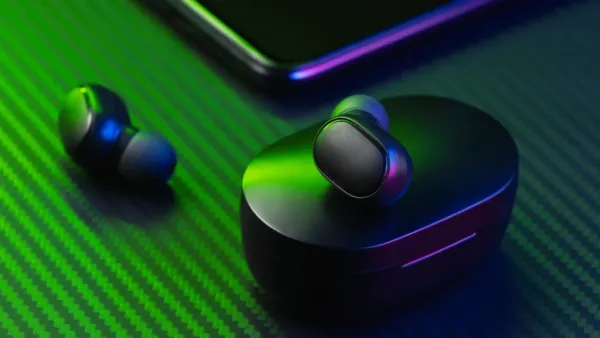
Several supporting features make gaming earbuds genuinely useful for MOBA play:
India’s TWS market shows a broad appetite for gaming-oriented features across price bands. Major domestic and international brands now list game modes and advertise 30–40ms figures for models sold locally, and e-commerce listings with thousands of reviews reflect active demand. The approach is twofold: flagship consumer models add “game mode” as a convenience feature, while budget specialist brands offer aggressive millisecond claims with gamer aesthetics and long battery life.
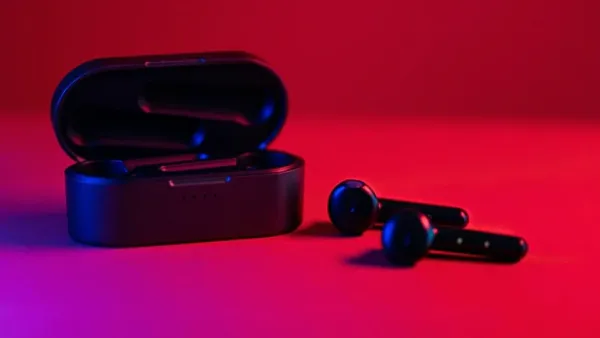
That said, Indian competitive gaming still heavily favours wired headsets in pro circuits; TWS are gaining ground mostly with casual and semi-competitive players who value mobility and convenience alongside performance.
For casual to semi-competitive MOBA players in India, the answer is increasingly “yes.” If you play on the go, prefer minimal cable hassle, and use an Android phone that supports low-latency codecs, modern game-focused earbuds will noticeably improve perceived sync and immersion. For high-stakes tournaments or pro play, wired solutions still offer the lowest, most consistent latency and remain the gold standard.
Buying tips for Indian players
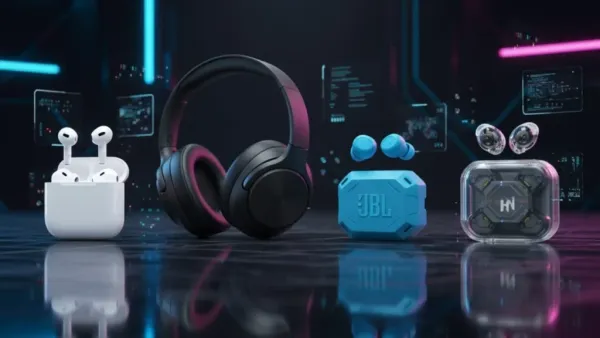
Ultra-low-latency earbuds are no longer a niche curiosity; they are a practical upgrade for many mobile gamers in India. They do not make wireless audio identical to wired telemetry, but they close the gap enough that convenience, comfort and mobility outweigh the marginal latency penalty for a large portion of players. As codecs, phone optimizations and Bluetooth stacks continue to improve, expect the divide to shrink further, and for earbuds to become a mainstream tool in the mobile MOBA player’s kit.