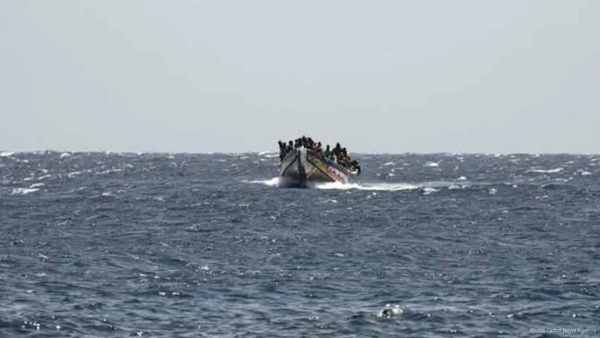
Gambia Raises: A devastating maritime incident off the coast of Gambia has once again highlighted the dangerous realities faced by people attempting irregular migration routes in search of a better future. A boat carrying more than 200 migrants capsized in Gambian waters, leaving dozens of people still missing days after the accident. The incident has drawn attention to ongoing migration challenges in West Africa and the urgent need for safer alternatives.
According to official statements from the Gambian Defence Ministry, the accident occurred on Wednesday when an overcrowded migrant boat encountered trouble at sea. Rescue operations managed to save 96 individuals, while the bodies of seven victims were recovered. Despite these efforts, a significant number of passengers remain unaccounted for, raising fears that the death toll could rise further.
The boat involved in the incident was later discovered resting on a sandbank, suggesting it may have drifted or run aground after capsizing. Search and rescue teams have continued their operations in the surrounding areas, but the challenging sea conditions and limited visibility have made the mission difficult.
Among those rescued, authorities confirmed that at least ten individuals are in critical condition. These survivors are reportedly receiving medical attention, with healthcare teams working to stabilize them. Many of the rescued migrants suffered from severe dehydration, exhaustion, and injuries sustained during the capsizing.
Medical professionals involved in the response have noted that such journeys often leave migrants physically and psychologically traumatized. Prolonged exposure to the elements, lack of food and clean water, and the constant fear of drowning all contribute to serious health complications.
Preliminary assessments suggest that the people aboard the boat came from several African countries. While Gambia is a known departure point, migrants from neighboring nations such as Senegal and other parts of West Africa frequently travel through the region to begin their journeys.
These mixed nationalities reflect the broader regional nature of irregular migration. Economic hardship, unemployment, political instability, and climate-related challenges continue to push individuals and families to take extreme risks in hopes of improving their lives.
Every year, thousands of migrants attempt the perilous sea crossing from West Africa to the Canary Islands, a Spanish archipelago that forms part of the European Union. This route is considered one of the most dangerous migration paths due to strong ocean currents, unpredictable weather, and the long distance involved.
Despite the risks, the Canary Islands remain a key destination because they are perceived as a gateway to Europe. Many migrants believe that reaching these islands will provide opportunities for employment, education, and long-term stability, even though the reality is often far more complex.
The tragic incident off the Gambian coast is not an isolated case. Similar accidents have occurred repeatedly over the years, often meaning that boats are overloaded and lack proper safety equipment. Smugglers frequently exploit desperate migrants, providing vessels that are unfit for long ocean journeys.
Regional governments and international organizations have repeatedly warned about the dangers of sea migration. However, without sufficient legal migration pathways and local economic opportunities, many individuals feel they have little choice but to take these risks.
Human rights groups and humanitarian organizations have renewed calls for increased awareness campaigns to inform potential migrants about the real dangers of irregular sea crossings. They also emphasize the need for stronger international cooperation to address the root causes of migration, such as poverty, lack of education, and limited job prospects.
Long-term solutions, experts argue, must focus on sustainable development, improved governance, and expanded legal mobility options. Without these measures, tragic events like the recent boat capsizing are likely to continue.
While statistics often dominate headlines, each missing or deceased migrant represents a personal story of hope, sacrifice, and desperation. Families across Africa are now anxiously waiting for news of loved ones who may never return.
The Gambian boat tragedy serves as a stark reminder that migration is not merely a political issue but a deeply human one. Addressing it requires compassion, responsibility, and coordinated global action to prevent further loss of life.