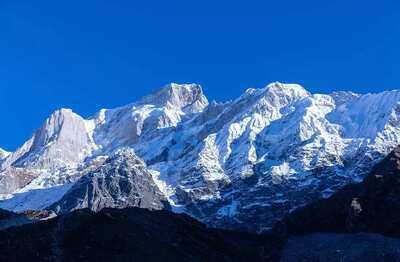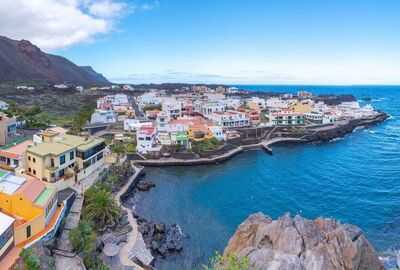
Several islands of the Canary archipelago have become victims of their own successes in the last few years, so much so that they have been branded victims of runaway overtourism after being named on Fodor's Travel's 'No List' for 2026. The influential guide has warned that soaring visitor numbers are putting intense strain on fragile landscapes and the day-to-day lives of residents.
"For many Canarians, tourism is both a lifeline and a burden," Fodor said. "The islands rely heavily on visitor spending, yet locals often see little of it." However, one of the smaller islands, El Hierro, may be less of a concern, as it receives far fewer tourists than its Spanish neighbours. In 2025, reports suggested that Lanzarote had exceeded two million tourists in the first half of the year, while Tenerife continued to lead in arrivals, with estimates of over 670,000 tourists in March alone. El Hierro, by comparison, receives only around 20,000 to 30,000 tourists per year - a fraction of the overall Canary tourism market.
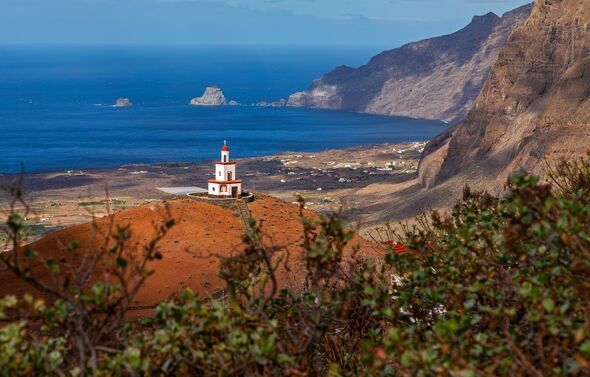
El Hierro is the wildest and most westerly island in the archipelago, as well as being the youngest. The island emerged from the Atlantic around 1.2 million years ago after millennia of undersea volcanic eruptions, creating a wild landscape of forests, cliffs, volcanoes and even badlands.
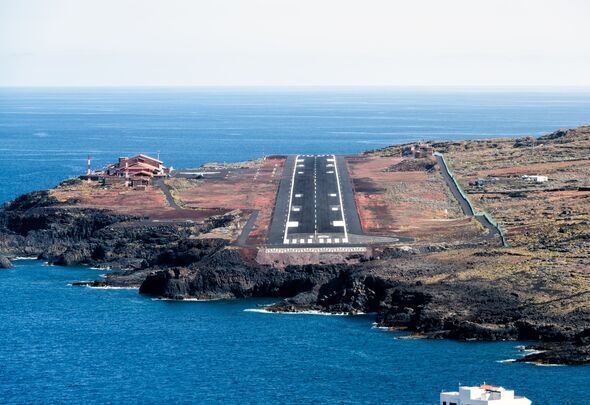
One major factor that helps El Hierro keep its hidden gem status is the fact that its airport has no direct international services. All flights are domestic within Spain, mainly linking El Hierro to Tenerife North (TFN) and Gran Canaria (LPA).
According to BBC Travel, El Hierro's tourism authorities aim to gradually increase visitor numbers and are committed to sustainable development.
"We want to increase tourism and continue to improve the island's standard of living, but not to the detriment of the residents' quality of life or the island's natural resources," said Davinia Suárez Armas, island director of tourism and transport. "We prefer to maintain our culture and share our quiet way of life with visitors."
The entire island is a UNESCO Biosphere Reserve and Geopark. It features the Sabinar, famous ancient juniper trees twisted into incredible shapes by the constant wind and is home to the El Hierro Giant Lizard, a species once thought to be extinct but rediscovered in the 1970s.
Because of its volcanic origin, El Hierro has very few sandy beaches, so people swim in beautiful "Charcos", natural pools formed by lava.
The island is also a hiker's paradise, with landscapes ranging from misty forests to lunar volcanic landscapes. One challenging but rewarding trail is the Camino de Jinama, which climbs over 2,600 feet up a massive cliff face, offering the best views of the El Golfo valley.
El Hierro is one of the warmest places in Europe during February, with daytime highs of between 17 and 19C. Visitors can expect around seven hours of sunshine per day and very little rain - typically only four days the entire month.