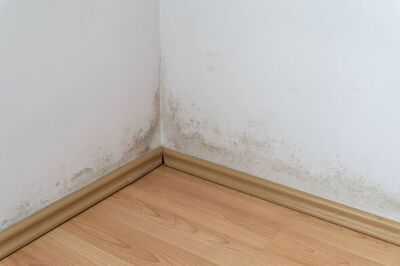
As winter approaches and energy costs soar, a new health threat is emerging in households nationwide: mould. This unwelcome visitor can wreak havoc on both property and wellbeing, making swift action essential upon discovery, reports the Mirror.
While turning up the thermostat might seem tempting, it comes with a hefty price tag. Fortunately, there are other ways to combat condensation and mould without breaking the bank. Nancy Emery, a bathroom and kitchen expert from Drench, has shared five cost-effective strategies to help households stay dry and healthy throughout the colder months.
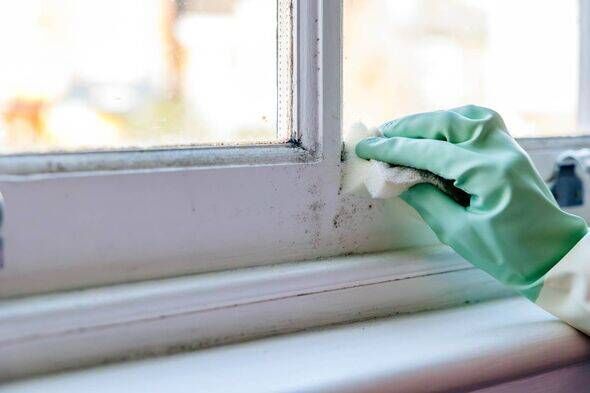
Her first recommendation is simple yet highly effective, capable of removing up to 75% of moisture from your home in under five minutes.
She said: "Up to 75% of moisture, which will lead to mould, can be eliminated by wiping down wet surfaces immediately. Any surface that collects water, for instance around the kitchen sink after washing up, or on the bathroom tiles and floors after getting out of the shower, should be wiped down after use.
"Accumulated water on tiles, no matter the room, can get into the grout and silicone, which is where a build-up of mould is likely to develop."
Another crucial piece of advice involves maximising the use of extractor fans. Whilst some may find the noise off-putting, these devices play a vital role in preventing mould by removing humid air from areas like kitchens and bathrooms.
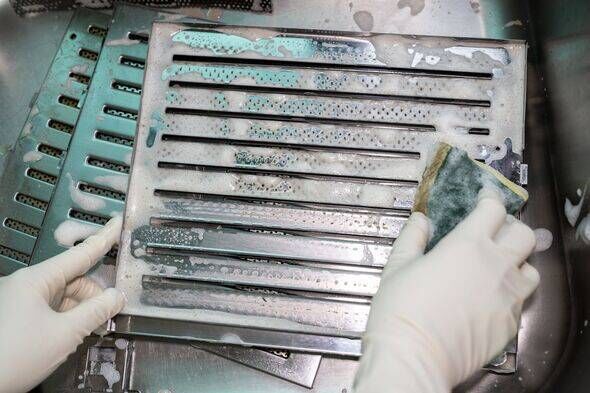
Extractor fans ought to be left running during cooking or bathing, and for a minimum of 30 minutes afterwards to ensure optimal efficiency. Enhancing their performance is simple - just keep them well-maintained, as built-up dust can significantly hamper their function.
When the mercury falls, numerous households turn to indoor clothes drying, yet experts warn against draping garments across radiators. Nancy highlighted that this seemingly budget-friendly method can prove detrimental.
She said: "Although it may seem like an easy way to cut costs, drying clothes on the radiator instead of the tumble dryer or drying rack can lead to higher amounts of condensation accumulating from the lack of airflow."
This extra dampness can linger and encourage mould growth, resulting in musty odours permeating your home. Instead, Nancy recommends purchasing a heated clothes airer or towel rail for safe indoor drying without the risk of mildew.
For homes battling excessive humidity, Nancy proposes that a dehumidifier represents a sound investment, particularly in high-traffic areas or wherever damp washing is hung. She advised: "In rooms with heavy use, like your bathroom, living room, kitchen and bedroom, it may be a good idea to use dehumidifiers.
"There are a range of types available, from more expensive heavy-duty appliances to everyday affordable options that can be found in supermarkets and home retailers."