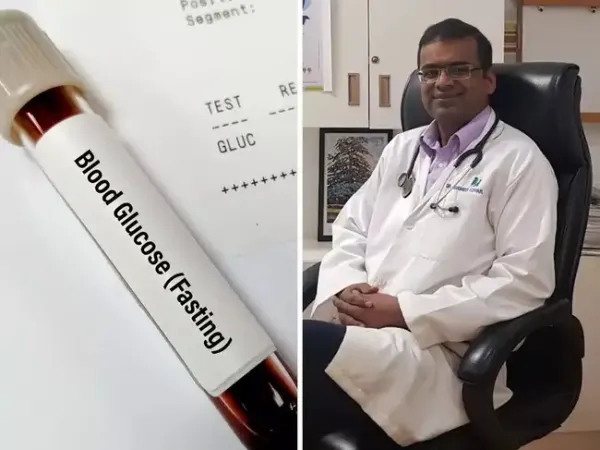
Many people assume a morning workout helps, but Dr Kumar advises against exercising before a fasting blood sugar test.
A fasting blood sugar test is often treated as a routine formality, but small missteps before the blood draw can quietly distort the results. Many people follow the basics yet still walk away confused or alarmed by unexpected numbers. Apollo doctor Dr Sudhir Kumar recently explained how preparation errors, not disease, are sometimes responsible for misleading readings. His detailed breakdown shows why timing, food, sleep, and even workouts play a bigger role than most people realise when checking fasting glucose.
Taking to X, Dr Sudhir Kumar explained that while a fasting blood sugar test looks simple, preparation is everything. Even minor deviations from recommended practices can push numbers higher or lower than they should be, leading to unnecessary worry or false reassurance.
How long should you actually fast?
According to Dr Kumar, the recommended fasting window is between 8 and 12 hours. Fasting for less than 8 hours means your blood sugar may still be influenced by the previous meal, while fasting longer than 12 to 14 hours can artificially lower glucose levels in some people. The ideal routine is to finish dinner by 8 or 9 pm and get the blood test done between 6 and 9 am. Plain water is allowed during fasting, but tea, coffee, even without sugar, chewing gum, and supplements should be avoided.
Why your dinner the night before matters
Dr Kumar stressed that what you eat for dinner can significantly affect fasting glucose the next morning. A very heavy, late, or high-carbohydrate meal, such as rice, sweets, desserts, or alcohol, can elevate fasting blood sugar levels. On the other hand, skipping dinner or eating an unusually low-carb meal can lower glucose readings. His advice is simple but important: eat a normal, routine dinner. Avoid turning it into a special “healthy” meal or an indulgent one.
Should you exercise before the test?
Many people assume a morning workout helps, but Dr Kumar advises against exercising before a fasting blood sugar test. Long runs or strength training can temporarily raise glucose due to stress hormones or lower it because muscles rapidly absorb sugar. Either way, the result no longer reflects your usual fasting state. The safer option is to get the blood test done first and exercise later.
The overlooked role of sleep
Sleep quality the night before testing also plays a crucial role. Dr Kumar explained that short sleep, especially less than six hours, or poor-quality sleep, increases cortisol levels and insulin resistance. This can falsely elevate fasting glucose, particularly in people with prediabetes. He recommends aiming for seven to eight hours of good-quality sleep before the test.
Dr Sudhir Kumar summed up his guidance with four clear takeaways: fast for 8 to 12 hours, eat a normal dinner, avoid exercise before the blood draw, and prioritise good sleep. He also cautioned that one abnormal fasting value does not automatically mean diabetes. Results must always be interpreted in context. Preparation errors, he warned, can wrongly label someone as prediabetic or normal. Accuracy, he emphasised, truly matters.
Taking to X, Dr Sudhir Kumar explained that while a fasting blood sugar test looks simple, preparation is everything. Even minor deviations from recommended practices can push numbers higher or lower than they should be, leading to unnecessary worry or false reassurance.
How long should you actually fast?
According to Dr Kumar, the recommended fasting window is between 8 and 12 hours. Fasting for less than 8 hours means your blood sugar may still be influenced by the previous meal, while fasting longer than 12 to 14 hours can artificially lower glucose levels in some people. The ideal routine is to finish dinner by 8 or 9 pm and get the blood test done between 6 and 9 am. Plain water is allowed during fasting, but tea, coffee, even without sugar, chewing gum, and supplements should be avoided.Why your dinner the night before matters
Dr Kumar stressed that what you eat for dinner can significantly affect fasting glucose the next morning. A very heavy, late, or high-carbohydrate meal, such as rice, sweets, desserts, or alcohol, can elevate fasting blood sugar levels. On the other hand, skipping dinner or eating an unusually low-carb meal can lower glucose readings. His advice is simple but important: eat a normal, routine dinner. Avoid turning it into a special “healthy” meal or an indulgent one.Should you exercise before the test?
Many people assume a morning workout helps, but Dr Kumar advises against exercising before a fasting blood sugar test. Long runs or strength training can temporarily raise glucose due to stress hormones or lower it because muscles rapidly absorb sugar. Either way, the result no longer reflects your usual fasting state. The safer option is to get the blood test done first and exercise later.The overlooked role of sleep
Sleep quality the night before testing also plays a crucial role. Dr Kumar explained that short sleep, especially less than six hours, or poor-quality sleep, increases cortisol levels and insulin resistance. This can falsely elevate fasting glucose, particularly in people with prediabetes. He recommends aiming for seven to eight hours of good-quality sleep before the test.Dr Sudhir Kumar summed up his guidance with four clear takeaways: fast for 8 to 12 hours, eat a normal dinner, avoid exercise before the blood draw, and prioritise good sleep. He also cautioned that one abnormal fasting value does not automatically mean diabetes. Results must always be interpreted in context. Preparation errors, he warned, can wrongly label someone as prediabetic or normal. Accuracy, he emphasised, truly matters.