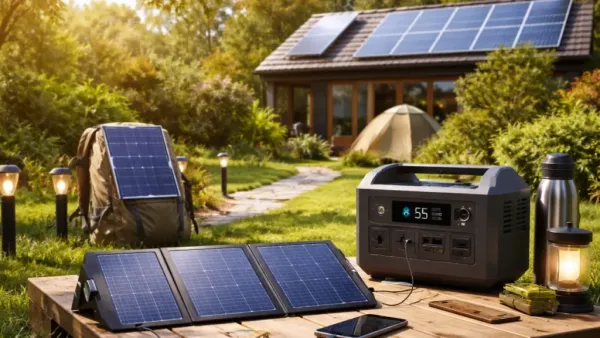
Renewable energy gadgets help manage power cuts, reduce electricity bills, and support daily device usage without noise or fuel
Renewable energy gadgets like solar chargers, power stations, and smart panels fit easily into homes, travel, and off-grid life
Renewable energy gadgets are practical support tools that work best when chosen carefully and used with realistic expectations
Renewable energy sounds like a big word. Heavy. Serious. Policy-type. But in real life, it has become very normal. It is there when your phone charges using sunlight. It is there when the lights turn on by themselves at night. It is there when a small battery keeps your Wi-Fi running during a power cut.
These things are not future ideas anymore. They are already around us. Some gadgets work really well. Some work only sometimes. Some look good but fail quickly. That is the honest picture.
This article talks about renewable energy gadgets in very simple words. No promises. No marketing lines. Just how they fit into daily life.
Electricity is getting expensive. Bills keep going up every year. Power cuts are still common, even in cities. People also use more devices now. Phones. Laptops. Routers. Earbuds. Smart lights.
Everything needs power. Earlier, solar gadgets did not feel worth it. Charging was slow. The build quality was bad. Many people tried once and gave up.
Now things are slowly changing. Not perfect. But good enough to try again. That is why renewable energy gadgets are getting attention again.
Solar chargers take sunlight and turn it into electricity. That electricity goes into your phone or power bank. That’s it. No fast charging. No high output. Just basic power support.
Most solar chargers are foldable. Some have a battery inside. Some only work in sunlight.
Travellers use them the most. Campers. Backpackers. Hikers. They hang them on bags or place them near tents.
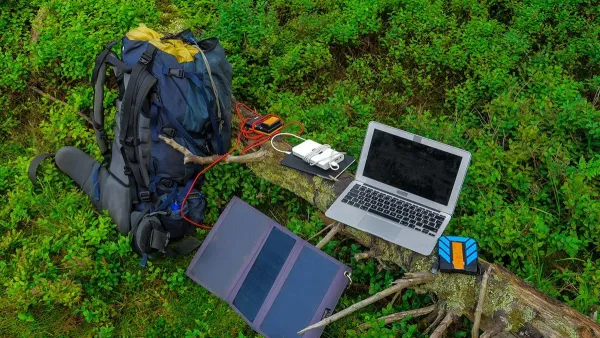
At home, people use them during long power cuts. When phones are unable to charge, it can be very frustrating, but at least being able to receive calls indicates that the phone is still somewhat alive. In rural areas, where people have limited access to electricity, solar charging provides a way for people to stay connected without having to wait for power to charge their devices.
Ignore big claims on the box. Check the watt rating. Around 20W works fine in good sunlight. Check the cable quality. Thin cables break easily. Check USB ports. Loose ports cause charging problems later.
Solar chargers depend on sunlight. Clouds slow them down. Shade almost stops them. They are support tools. Not replacement chargers.
Portable power stations are large batteries. You charge them once. Then you use that stored power later. They come with many ports. USB ports. Plug points. DC outputs.
They will allow customers to light homes, power a laptop, run a fan, provide wi-fi connectivity, and occasionally power a small refrigerator for several hours.
They are silent. No fuel smell. No engine noise. During power cuts, they feel stress-free. Many families now keep one at home for emergencies. Campers and van travellers depend on them completely.
Battery type matters. Lithium-iron batteries last longer. Charging speed matters too. Slow charging becomes annoying. Weight matters as well. Some units are very heavy.
Smart panels connect to mobile apps. You open your phone and see how much power is coming in. You also see how much power your home is using. That data is the main difference.
When people see numbers, they change habits. They run washing machines during the day. They avoid heavy use at night. Over time, electricity bills go down. Slowly, but clearly.
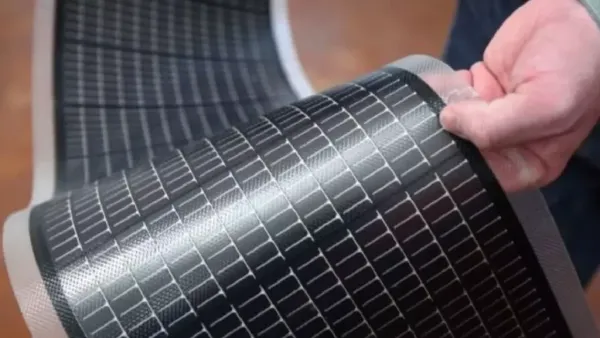
Panels are still expensive. Roof direction matters. Sunlight hours matter. Government support helps a lot when available. Without support, many families wait.
Solar lights are the most common solar gadget. They charge during the day. They turn on automatically at night.
No wiring. No switch. The new Model Solar Cells illuminate areas better and Longer than Older Models. The devices illuminate yards, balconies, staircases, etc.
Solar fans are useful in hot regions. They reduce the electricity load during the day. They are not very powerful, but they help during peak heat.
Solar water heaters are old ideas with better designs now. They save a lot of electricity over time. Common in homes, hostels, and small hotels.
Many people wear solar watches without thinking about it. They charge from sunlight and indoor light. No battery replacement needed. They just keep working.
These gadgets use very little power. They can run for years. Offices use them quietly without much attention.

Solar backpacks are useful for travel. Charging is slow. They help only during long walks in strong sunlight.
Smart plugs show how much power a device uses. They help reduce waste. Simple idea. Useful result.
LED lights use less power. They last long. Smart lights allow timing and brightness control. When a customer installs Solar Panels, they will receive the maximum Savings.
Campers use solar lamps, foldable panels, and power stations. No fuel. No noise. Safe for tents. Easy to carry.
Renewables can save a phone from Damage during a storm or power outage. Phones stay on. Lights stay on. Sometimes that is enough.
Many people work from small towns or villages. Solar power reduces stress. No need to search for power sockets.
Solar depends on the weather. Batteries increase cost and weight. Cheap products disappoint users. Not every gadget works as promised. People still need to choose carefully.
Solar panels will become lighter. Batteries will charge faster. Apps will get simpler. Renewable gadgets will feel normal, not special.
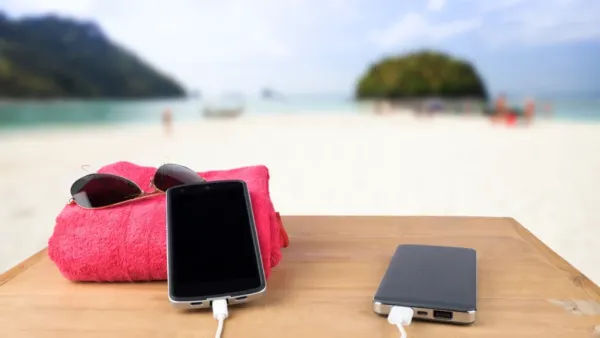
Renewable energy gadgets are not magic solutions. They are support tools. They help during power cuts. They reduce electricity bills. They make travel easier. That is why people are using them. Not because they sound good. But because they help in small, real ways.