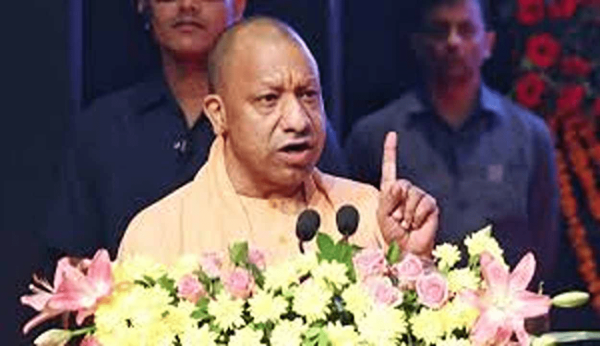
UP: A significant reduction in stamp duty on gift deeds involving commercial and industrial assets transferred between family members has been authorized by the Uttar Pradesh Cabinet, which is led by Chief Minister Yogi Adityanath.
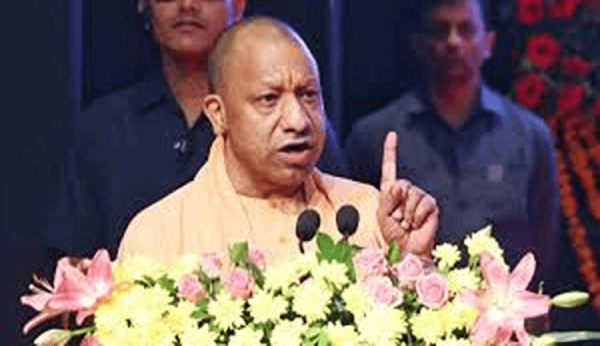
Tuesday was the day of the Cabinet meeting.
In light of this ruling, the highest stamp duty that may be applied to these donations is Rs 5,000, regardless of the property’s valuation or location—rural or urban.
Previously, only residential and agricultural properties were eligible for a comparable concession that was implemented by a 2023 notice.
Shops and factories are among the commercial and industrial properties covered by the new extension.
Prior to 2022, family gifts of property were subject to full stamp duty depending on the circular rate, which was typically five percent in rural regions and seven percent in urban areas.
Since 2022, all forms of immovable property have been subject to the fixed cap that was first applied to residential and agricultural land.
According to State Stamp and Registration Minister Ravindra Jaiswal, the action facilitates family property transfers, lowers their cost, and encourages openness.
To guarantee a seamless implementation, the state Cabinet has also defined the meaning of relatives and other relevant rules.
As soon as the announcement is published in the official gazette, the relief becomes effective.
According to officials, this will promote lawful transfers and lessen property-related family conflicts.
The state Cabinet authorized land allotments for the construction of additional sub-registrar office buildings at the same meeting.
A damaged building in Kushinagar will be replaced with a free transfer of 0.0920 hectares from the Tehsil complex in Kaptanganj.
A new office and archives in Jhansi will occupy 0.0638 hectares of the former Tehsil complex.
Both plots are completely free from stamp duty and registration costs since they are government-owned.
The state government’s ongoing attempts to simplify registration procedures and lessen financial obligations on individuals are reflected in these actions.