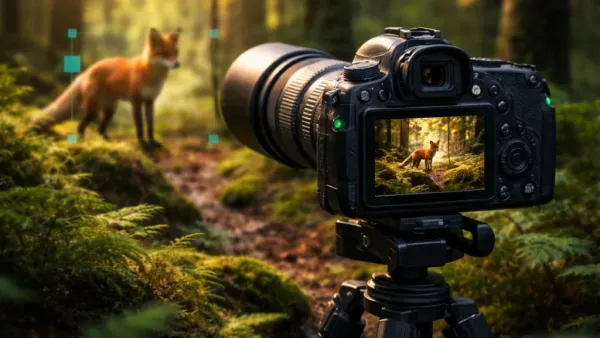
Getting great photographs of wild animals can be a long and difficult process. You might spend hours trying to get the “perfect shot” of a deer or bird, or even a rare flower. It is important for wildlife photographers to always be watching. If they’re not aware, they can miss the perfect shot in seconds. Even now, with the advancement of photography technology, these changes have allowed for new tools to be created to make it easier for photographers to create photographs.
The introduction of edge AI cameras into the world of wildlife photography has added an extra level of quality, including those that provide enhanced image quality, animal identification, and image noise removal. There are a number of advantages to camera technology, and allowing for camera editing is one advantage that gives wildlife photographers an opportunity to focus on photographing wildlife rather than spending valuable time correcting.
AI-enabled Edge-AI cameras can incorporate AI capabilities directly within the device itself, so they don’t require a connection to an online service to utilise these activities. The AI will perform the same functions on the camera as it does online, such as evaluating photographs and identifying animal species immediately as an animal passes in front of the lens.
This is especially useful for wildlife photographers, who often must take hundreds of pictures to find one good image, as the Edge-AI camera can either suggest the best photographs or track the path of the animal being photographed and suggest camera settings as the photographer is taking the photograph.
Cameras that use Edge Computing Technology will possess all of the physical traits of a typical camera, as well as the integrated technology of Advanced Artificial Intelligence. Cameras utilizing edge computing technology will offer features such as detecting when an object is moving, automatically adjusting the focus on the lens, and improving the overall quality of images taken by users. This will result in fewer wasted hours spent capturing pictures, allowing photographers to produce incredible quality photographs quickly.
Edge-AI cameras have several features that help nature photographers in the field.
Cameras equipped with edge-A.I. software can continuously track and monitor wildlife as it travels. The camera tracks the animal until it moves out of the camera view once again. This feature takes away the amount of time and effort photographers must spend waiting around to capture images of animals that move quickly.
Edge-A.I. cameras, on occasion, have a built-in recognition capability for specific wildlife species, enabling researchers or photographers to more quickly locate the images they seek, eliminating the need to sift through the previously captured image library of thousands of photographs.
Most wildlife photography occurs either very early in the morning or after dark. Low light makes photos grainy with normal cameras. Edge-AI cameras use AI to reduce this noise and make images clearer and sharper. This is helpful in forests, during dusk, or at night.
You can edit most types of photos using your digital camera without having to use a computer. Many cameras allow you to adjust the exposure, brightness, and contrast as well as change the color of images right on the camera. Certain types of cameras will actually recommend changes, for example, notifying the user if the subject is not framed correctly or if there is better lighting for the photo. This helps you take better pictures right in the field.
Since all AI processing happens inside the camera, you don’t need the internet. This makes the camera faster and saves battery. For photographers hiking in remote areas, this is very important. Edge-AI cameras are designed to last and work in tough conditions.
Several brands now make AI cameras for wildlife photography. They are built to be easy to use in nature and help photographers get better shots.
Canon and Nikon have AI cameras that can track animals and humans automatically. They also reduce noise and work well in low light. For photographers already used to these brands, these cameras are easy to use because the interface is familiar.
Sony mirrorless camera systems are lightweight and provide rapid shooting speeds. The cameras’ built-in artificial intelligence (AI) identifies faces and eyes and tracks these items quickly, even when they are at a distance or moving away from the subject.
Some new cameras are designed for wildlife research. These cameras are extremely tough and waterproof, and can last for several weeks on a set of batteries. The ability to shoot so quickly makes them an excellent choice for photographing fast-moving animals, such as birds, as well as other types of wildlife.
Edge-AI cameras have many benefits for wildlife photographers.
Animals move fast and are unpredictable. Edge-AI cameras track movement and adjust settings automatically. This increases the chance of capturing rare moments. Photographers don’t have to constantly change focus or settings.
Editing photos can take hours. AI cameras can improve photos and organize them automatically. This helps photographers save time and pick the best shots faster.
These cameras do not need internet or cloud support. You can use them in remote forests or mountains without problems. They are reliable for long trips or fieldwork.
Some cameras give feedback on composition, focus, and exposure. Over time, photographers can improve their skills naturally, almost like learning while working.
Even though these cameras are useful, there are a few things to know.
Compared to standard cameras, AI cameras are generally more costly and are often seen by hobby photographers as expensive pieces of equipment. However, the advantages offered by the camera make it worth the investment for serious amateur photographers or professional photographers.
Photographers should anticipate a shorter battery life when using the AI continually, so they will have to carry a few extra batteries or use a solar charger to keep the batteries charged while shooting in the field.
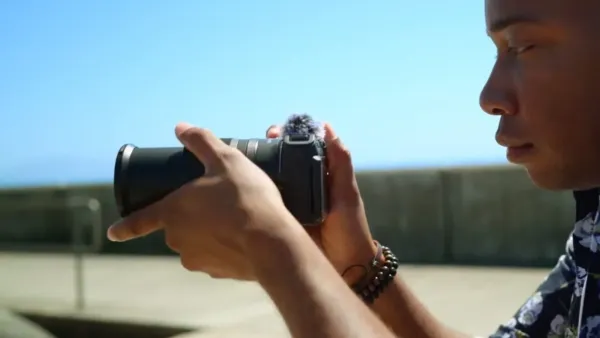
Even experienced photographers need time to learn AI features. Understanding how the camera suggests edits or focuses on subjects takes practice.
For Maximum Results, Follow These Simple Tips :
In the coming years, camera technology will have a lot of opportunities for further improvement! In the near future, cameras that are to be sold on the consumer market will be capable of distinguishing between different types of wildlife, as well as adapting based on the different types of weather they experience. They will additionally have the ability to work with drones and use the latest technologies available, including GPS and sensory observation. As this technology becomes established, wildlife photographers will have smarter tools and access to greater opportunities to take pictures.
Wildlife photography is being transformed by edge-AI cameras, which allow for quick capturing of rare moments, reduced editing time, and use in remote locations. These complex and advanced camera systems will come with a higher price tag than most conventional models, and much time will need to be spent learning how to use the new features and settings.
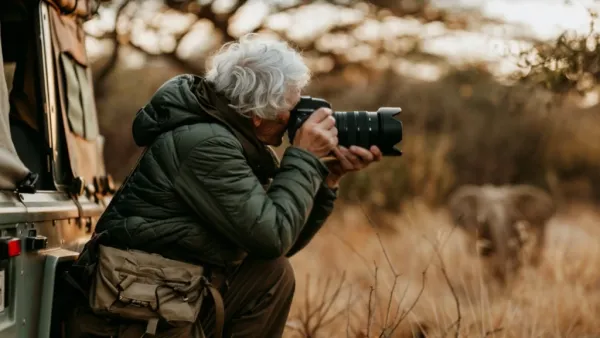
However, for those who wish to take wildlife photographs, the capabilities offered with these types of cameras provide an excellent means for taking incredible photos and for creating a deeper connection to nature.