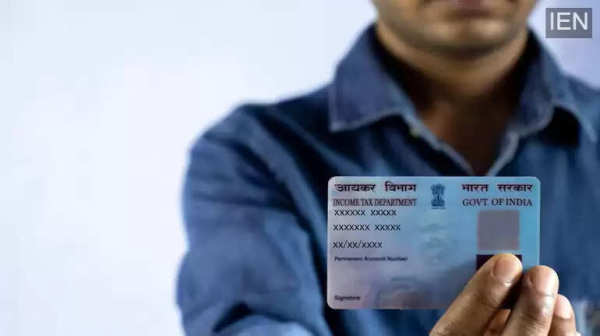
In today’s digital-first India, the Permanent Account Number (PAN) card is no longer just a tax document. It has become a key identity proof linked to your bank accounts, Aadhaar, investments, and financial history. While this integration has made transactions easier, it has also opened the door to a growing wave of fraud. Cybercriminals are increasingly misusing PAN card details to take out fake loans in innocent people’s names, leaving victims shocked by recovery calls and sudden drops in their credit scores.
Several cases have recently surfaced where individuals discovered unknown loans registered against their PAN only after banks started demanding repayment. In many instances, victims had never applied for these loans. The damage goes beyond financial stress — it can severely harm your credit profile, making it difficult to get genuine loans in the future.
Fraudsters usually obtain PAN details through data leaks, fake websites, phishing emails, or even from discarded photocopies. Once they have your PAN number or a copy of the card, they can misuse it in multiple ways:
They submit fake loan applications on online lending platforms and NBFC websites.
They upload forged documents along with your PAN details to make the application appear genuine.
After the loan is approved, they withdraw the money and disappear without repaying.
The repayment responsibility and recovery notices then come to you, damaging your credit score.
Since PAN is linked with Aadhaar and bank accounts, such fraud can quickly escalate into a serious financial problem.
Your credit score reflects your financial credibility. When a fake loan goes unpaid, your score drops, and you may be flagged as a defaulter. This can affect your ability to get home loans, personal loans, credit cards, or even job opportunities in some sectors. In extreme cases, people have faced legal notices for loans they never took.
Sudden SMS or email alerts about loan approvals you did not apply for
Calls from recovery agents demanding repayment
A sharp fall in your credit score without any clear reason
Unknown loan accounts appearing in your CIBIL or Experian report
If you notice any of these, act immediately.
Here are some practical and effective steps to stay safe:
Do Not Share Your PAN Freely
Share your PAN only with trusted banks, employers, and government platforms. Avoid giving it to unknown apps or websites.
Check Your Credit Report Regularly
Review your CIBIL, Experian, Equifax, or CRIF High Mark report every 3–6 months. Early detection can prevent major damage.
Pay Attention to Alerts
Never ignore SMS or email notifications related to loans, credit cards, or KYC updates.
Use the PAN Lock Facility
The Income Tax Department provides a PAN Lock/Unlock feature on the e-filing portal. Once locked, your PAN cannot be misused for verification.
Report Fraud Immediately
If you suspect misuse, file a complaint with the lender, register an FIR at the nearest police station, and inform credit bureaus to mark the account as disputed.
Reena, a working professional, was shocked to receive a recovery call for a ₹2 lakh loan she had never taken. On checking her credit report, she found a loan account registered using her PAN details. She immediately filed a complaint with the credit bureau, locked her PAN online, and lodged an FIR. Within a few weeks, the fraudulent entry was removed from her record, and her credit profile was restored.
PAN card fraud is no longer rare. With the rise of digital lending platforms, scammers are finding new ways to exploit identity documents. Staying alert, monitoring your credit report, and using official security features can save you from major financial trouble. Remember, your PAN is your financial identity — protect it as carefully as you protect your bank account details.