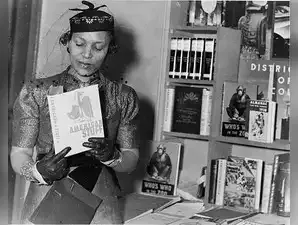
The Quote of the day today comes from celebrated American folklorist and writer Zora Neale Hurston, whose words continue to resonate decades after her death. Hurston once observed: “A thing is mighty big when time and distance cannot shrink it.” The line, spare yet profound, reflects Hurston’s lifelong engagement with memory, culture, love and identity. forces that, in her view, grow stronger rather than weaker with the passage of time. As readers revisit her work, the quote stands as a reminder that some truths, emotions and legacies remain undiminished, regardless of distance or years gone by.
Often cited in discussions on resilience and cultural endurance, the Quote of the day carries particular relevance in an era shaped by rapid change, migration and rediscovery of overlooked voices.
Literary scholars have long interpreted the line as a reflection of Hurston’s belief in the permanence of lived experience. For Hurston, culture was not fragile; it was expansive. Folklore, language, and oral traditions carried across generations could not be erased simply because circumstances changed.
The quote also mirrors Hurston’s personal journey. Despite periods of obscurity, financial hardship and critical neglect, her work endured. Time, rather than diminishing her relevance, amplified it, reflecting the very idea captured in the Quote of the day.
Born in Notasulga, Alabama, Hurston later moved with her family to Eatonville, Florida, one of the first incorporated all-Black towns in the United States. Eatonville would profoundly shape her worldview, offering her an early experience of Black self-governance, autonomy and cultural confidence.
Although Hurston later claimed to have been born in 1901, historical records place her birth a decade earlier, a detail that reflects her complex relationship with identity and self-fashioning. After her mother’s death, her early life became unsettled, leading her to join a traveling theatrical troupe before eventually arriving in New York City during the height of the Harlem Renaissance.
Her 1935 work Mules and Men remains a foundational text in African American folklore studies, notable for presenting Black Southern voices without translation or condescension. Hurston insisted that vernacular speech and folk wisdom were not inferior forms of expression but essential records of lived experience.
This philosophy also shaped her fiction. Her most famous novel, Their Eyes Were Watching God (1937), tells the story of Janie Crawford, a woman’s search for autonomy and self-definition. Initially overlooked, the novel is now regarded as a cornerstone of American literature.
“There are years that ask questions and years that answer”
“Love makes your soul crawl out from its hiding place”
“It costs you something to do good!”
“There is something about poverty that smells like death.”
“It's no use of talking unless people understand what you say.”
The resurgence of interest in her work began in the 1970s, led by writers and scholars who recognised the depth of her contribution. Alice Walker famously located and marked Hurston’s grave, calling her “a genius of the South.”
Since then, Hurston’s reputation has grown steadily. Her novels, essays and folklore collections are now widely taught, while posthumous publications, including Barracoon: The Story of the Last “Black Cargo”—have expanded understanding of her anthropological work.
In 2025, her unfinished historical novel The Life of Herod the Great was published, further demonstrating how her ideas continue to travel across time and genre.
Often cited in discussions on resilience and cultural endurance, the Quote of the day carries particular relevance in an era shaped by rapid change, migration and rediscovery of overlooked voices.
Quote of the day meaning
At its core, the Quote of the day suggests that true significance is measured not by immediacy but by endurance. According to Hurston’s formulation, anything that survives time and distance, whether love, heritage, memory or artistic expression, possesses intrinsic greatness.Literary scholars have long interpreted the line as a reflection of Hurston’s belief in the permanence of lived experience. For Hurston, culture was not fragile; it was expansive. Folklore, language, and oral traditions carried across generations could not be erased simply because circumstances changed.
The quote also mirrors Hurston’s personal journey. Despite periods of obscurity, financial hardship and critical neglect, her work endured. Time, rather than diminishing her relevance, amplified it, reflecting the very idea captured in the Quote of the day.
Quote of the day by Zora Neale Hurston
Zora Neale Hurston (1891–1960) occupies a singular place in American letters. An anthropologist by training and a storyteller by instinct, she devoted her life to documenting and celebrating African American life in the rural South at a time when such subjects were often dismissed or stereotyped.Born in Notasulga, Alabama, Hurston later moved with her family to Eatonville, Florida, one of the first incorporated all-Black towns in the United States. Eatonville would profoundly shape her worldview, offering her an early experience of Black self-governance, autonomy and cultural confidence.
Although Hurston later claimed to have been born in 1901, historical records place her birth a decade earlier, a detail that reflects her complex relationship with identity and self-fashioning. After her mother’s death, her early life became unsettled, leading her to join a traveling theatrical troupe before eventually arriving in New York City during the height of the Harlem Renaissance.
Zora Neale Hurston: From folklore to fiction
Hurston’s academic path was as unconventional as her literary one. She studied at Howard University before earning a scholarship to Barnard College, where she trained under renowned anthropologist Franz Boas. Her fieldwork took her across the American South and the Caribbean, where she collected folktales, songs and oral histories that would later inform both her scholarly and creative writing.Her 1935 work Mules and Men remains a foundational text in African American folklore studies, notable for presenting Black Southern voices without translation or condescension. Hurston insisted that vernacular speech and folk wisdom were not inferior forms of expression but essential records of lived experience.
This philosophy also shaped her fiction. Her most famous novel, Their Eyes Were Watching God (1937), tells the story of Janie Crawford, a woman’s search for autonomy and self-definition. Initially overlooked, the novel is now regarded as a cornerstone of American literature.
Iconic quotes by Zora Neale Hurston
Beyond the Quote of the day, Hurston’s body of work is rich with aphorisms that continue to circulate widely. Lines such as“There are years that ask questions and years that answer”
“Love makes your soul crawl out from its hiding place”
“It costs you something to do good!”
“There is something about poverty that smells like death.”
“It's no use of talking unless people understand what you say.”
Zora Neale Hurston: Later years and legacy
Despite her earlier success, Hurston’s later life was marked by financial instability and declining public attention. She worked various jobs, including teaching and archival research, and died in relative obscurity in Florida in 1960. For years, her grave remained unmarked.The resurgence of interest in her work began in the 1970s, led by writers and scholars who recognised the depth of her contribution. Alice Walker famously located and marked Hurston’s grave, calling her “a genius of the South.”
Since then, Hurston’s reputation has grown steadily. Her novels, essays and folklore collections are now widely taught, while posthumous publications, including Barracoon: The Story of the Last “Black Cargo”—have expanded understanding of her anthropological work.
In 2025, her unfinished historical novel The Life of Herod the Great was published, further demonstrating how her ideas continue to travel across time and genre.