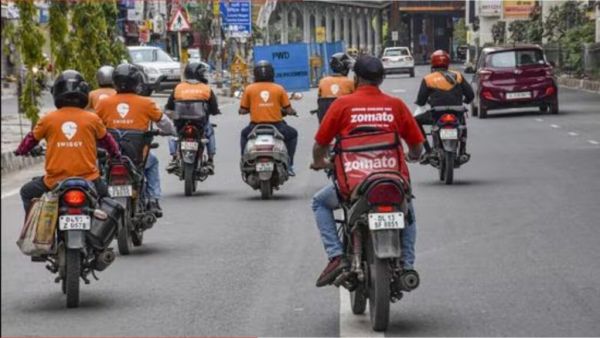
Quick Delivery Model: In the past few years in India, everything from medicine to groceries was delivered within 10 minutes ‘Quick Commerce’ (Quick Commerce) model has reached its peak in popularity. However, now this model is facing a major crisis. Errors in the sector have come to a head as more than 200,000 ‘gig workers’ (delivery riders) across the country announced a nationwide strike on New Year’s Eve.
The riders participating in the strike are demanding fair wages, workplace safety and dignity. According to union leaders, the root of all these problems lies in the ’10-minute delivery’ deadline. Unions have taken a stand that unless this 10-minute condition is removed, the condition of riders will not improve.
During the Covid-19 pandemic, the need for fast delivery of essential goods arose and from there this model gained momentum in India. Interestingly, at a time when half-hour delivery was considered a huge advantage, the 10-minute claim revolutionized it. However, the picture is different globally. US-based giant platforms like ‘Freeze No More’, ‘Byke’ and ‘Gateer’ have either shut down or are in dire financial straits. In contrast, this model is expanding rapidly in India, with companies investing heavily in dark stores, small warehouses in cities.
Swiggy and Zomato Strike: ‘Bumper Earnings’ in the New Year! Swiggy and Zomato special ‘gift’ for delivery partners in fear of strike
Quick delivery apps claim that they do not compromise on driver safety. However, the experiences of riders who are actually on the job are different. Poor ratings, treatment from supervisors and financial penalties for late arrivals force riders to drive fast even on bad roads and traffic jams. Poor air quality and pollution in cities like Delhi are also seriously affecting the health of riders.
Deepinder Goyal, CEO of Eternal, parent of Zomato and Blinkit, said they hit a peak of 7.5 million orders on December 31 and the strike did not affect their operations much. According to him, 10 minutes delivery is possible not because of speed but because of infrastructure. He explained that the average speed of the riders is 16 km per hour.
However, there is concern among investors. Shares of Swiggy and Zomato have fallen around 20 percent since October. Social security to be paid to gig workers under the new labor code is becoming a key issue for investors.
D2C and Quick-Service Brands Accelerate Mumbai’s Economy! Zepto tops LinkedIn’s ‘Top Startups’ list, revealed
Although India’s labor market is flooded, ‘Are gig workers happy and safe?’ This question remains. According to real estate firm Savills Plc, the number of dark stores will increase from 2,500 to 7,500 by 2030. However, the success of this model will depend not on speed to customers, but on safety to workers.