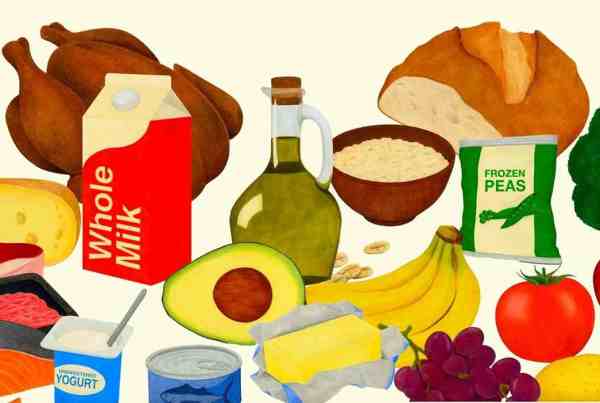
US: The Trump administration’s new US dietary guidelines were widely embraced, with health activists, agricultural organizations, and medical associations applauding its emphasis on whole foods and decreased use of highly processed goods.
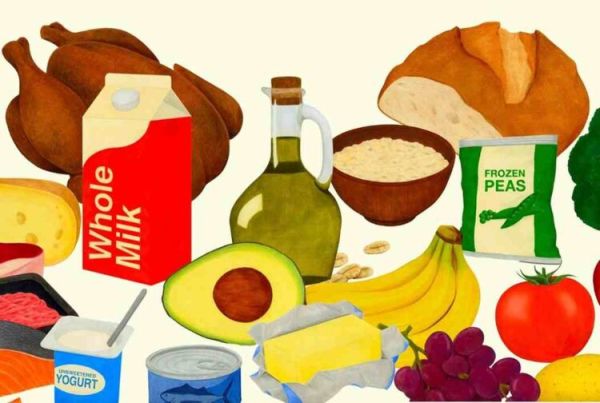
The revised recommendations put “real food” at the forefront of government nutrition policy, emphasizing whole and minimally processed meals while advocating for restrictions on highly processed goods, added sugars, and refined carbs. In order to address chronic illness and enhance long-term health outcomes, supporters characterized the reforms as a significant reset of nutrition policy.
The updated guidelines are in line with evidence-based practice, according to major medical organizations.
According to the American Medical Association, the recommendations specifically target illnesses linked to food. The guidelines “affirm[s] that food is medicine and offer[s] clear direction patients and physicians can use to improve health,” according to AMA President Bobby Mukkamala. They also “spotlight the highly processed foods, sugar-sweetened beverages, and excess sodium that fuel heart disease, diabetes, obesity, and other chronic illnesses.”
The first Indian American to occupy this role is Mukkamala.
The organization acknowledged “the importance of the [guidelines’] clear focus on child nutrition guidance that supports healthy eating patterns for children, with a focus on whole, minimally processed foods,” according to Andrew Racine, president of the American Academy of Pediatrics. Pediatricians “commend the inclusion of the academy’s evidence-based policy related to breastfeeding, introduction of solid foods, caffeine avoidance, and limits on added sugars,” he said.
The modification was also well received by the American College of Cardiology. “Eating whole fruits and vegetables; limiting added sugars, highly processed foods, saturated fats and sugary drinks; and incorporating whole grains and healthy fats from whole foods like meats, seafood, eggs, nuts, seeds, olives, and avocados” are among the recommendations that the organization “acknowledges and appreciates the release of new federal nutrition guidance,” according to its president, Christopher Kramer.
These opinions were shared by hospital and public health organizations. The American Heart Association said that reducing processed foods and added sugars while emphasizing fruits, vegetables, and whole grains “align[s] closely with the longstanding dietary guidance” of key public health organizations. According to Stacey Hughes, executive vice president of the American Hospital Association, the recommendations “jump-start important conversations about what we eat” and emphasized the importance of nutrition in promoting long-term health and avoiding illness.
Support was also expressed by farmers and food producers from all sectors. Zippy Duvall, president of the American Farm Bureau Federation, praised the emphasis on “high-quality protein, dairy, and fresh fruits and vegetables” and said the standards acknowledge “the importance of America’s farmers and ranchers who grow a safe and nutritious food supply.”
While dairy organizations said the guidelines underscore the relevance of whole and full-fat dairy products in healthy eating patterns, meat and poultry groups commended the focus on protein.
The new guidelines are a positive step, according to those who are worried about highly processed meals. “We already know that ultra-processed foods high in refined grains and added sugar are contributing to chronic disease,” stated Sarah Reinhardt, senior director of the Environmental Working Group, referring to it as “an urgent public health problem.”
Dariush Mozaffarian, director of the Tufts University Food is Medicine Institute, said that advocating for a reduction in consumption of highly processed foods “is a big deal and I think a very positive move for public health.”
Specific aspects of the guidelines, such as early food introduction to minimize allergies, newborn feeding habits, and the reminder that alcohol use, if it happens, should be moderate, were emphasized by specialty health and consumer organizations. Producers of fruits, vegetables, pulses, and eggs also applauded the ongoing focus on entire meals high in nutrients.
The change was hailed by administration-aligned political figures. While Oklahoma Governor Kevin Stitt applauded the presence of “meat and dairy at the top of the food pyramid,” Arkansas Governor Sarah Huckabee Sanders said that “the days when Americans’ health was an afterthought” were ended.
The US Departments of Agriculture and Health and Human Services together publish the Dietary Guidelines for Americans, which are revised every five years. They influence national public health messages, school meals, and government nutrition programs.