New Delhi: Magh Bihu, also known as Bhogali Bihu, is the grand harvest festival of Assam, and in 2026 it will be celebrated on Thursday, 15 January 2026. Think crackling meji bonfires, laughter-filled uruka feasts and cosy winter nights layered with the aroma of freshly made pitha, laru and traditional Assamese curries. It is that one time of the year when kitchens stay busy, community tables overflow with food, and every bite feels like a thank-you note to the fields and farmers.
For Magh Bihu/Bhogali Bihu 2026, if you are planning a proper Assamese feast at home, this guide brings you some classic, festive recipes with easy ingredients and step-by-step methods. From traditional pithas and sweet larus to comforting fish curry and a hearty Assamese-style meat dish, these recipes are perfect for your uruka feast or Magh Bihu brunch table. Get ready to cook along, bookmark your favourites and plate up a spread that feels authentically Assamese yet home-kitchen friendly.
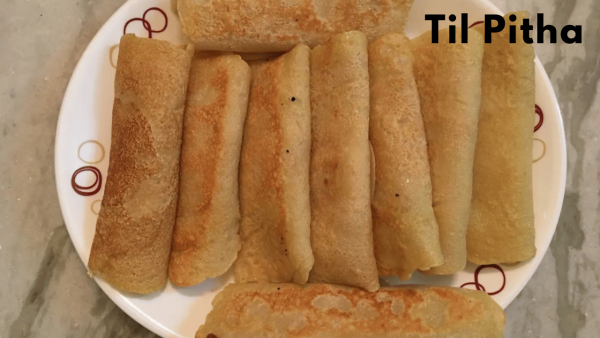
Traditional recipes for feast on Magh Bihu 2026 1. Til pitha – sesame-stuffed rice rollsTil pitha is a signature Magh Bihu sweet made with bora rice flour and a warm filling of jaggery and sesame, rolled into thin, crisp flutes. Light yet satisfying, it is often served with tea or as part of the festive jolpan spread, making it a must-have on every Bhogali Bihu 2026 menu.
Ingredients to Til Pitha (serves 10–12 pithas)
2 cups bora rice, soaked, drained and ground to a fine dry-ish flour
1 cup white sesame seeds (til), lightly roasted
1 cup grated jaggery
2–3 tablespoons water (for jaggery mix, as needed)
A pinch of salt
1–2 teaspoons ghee (optional, for richness)
Easy method to make Til Pitha
Dry-roast sesame seeds in a pan on low heat until fragrant, then cool.
Crush or coarsely grind the sesame seeds and mix with grated jaggery and a pinch of salt; add a spoon of water if needed so it just comes together.
Heat a flat tawa or non-stick pan on medium-low and lightly grease if you prefer.
Spread 2–3 tablespoons of rice flour in a thin, even circle directly on the warm pan, patting with your fingers or using the back of a spoon.
Allow it to cook lightly until the surface looks set but not browned.
Place 1–2 tablespoons of the sesame–jaggery mixture along one side of the circle.
Gently roll the pitha from that side into a flute shape using a spatula, sealing the filling inside.
Cook for another 30–40 seconds, turning lightly so it becomes firm but not too brown.
Remove from the pan, brush very lightly with ghee if desired, and repeat with remaining flour and filling.
Til pitha brings the perfect balance of nuttiness and sweetness to your Magh Bihu 2026 feast, and once you master the rolling technique, it becomes surprisingly easy and addictive to make.
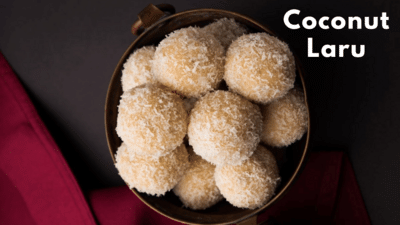
2. Narikol laru – coconut jaggery laddoosNarikol laru is a classic festive sweet ball made from fresh or desiccated coconut cooked with jaggery until rich, fragrant and fudgy. These bite-sized treats are essential during Bhogali Bihu, often piled high on plates and shared with guests as a symbol of abundance and warmth.
Ingredients to make Narikol laru (makes 12–15 larus)
2 cups freshly grated coconut (or good-quality desiccated coconut)
1 to 1¼ cups grated jaggery (adjust to sweetness)
2–3 tablespoons water
½ teaspoon cardamom powder (optional but traditional)
1 teaspoon ghee (for greasing palms)
How to make Narikol laru at home
In a heavy-bottomed pan, add grated jaggery and water and cook on low heat until it melts and forms a slightly thick syrup.
Add grated coconut to the jaggery syrup and mix well to coat all the coconut.
Cook on low to medium heat, stirring continuously, until the mixture thickens and leaves the sides of the pan.
Add cardamom powder and mix thoroughly.
When the mixture looks sticky but holds shape when pressed, switch off the heat and let it cool until warm to touch.
Grease your palms with a little ghee.
Take small portions of the mixture and roll into smooth, firm balls.
Place on a plate to set completely at room temperature.
Narikol laru is one of those Magh Bihu 2026 recipes you can prepare a day in advance, making your uruka night and Bihu morning sweeter, easier and full of nostalgic Assamese flavours.
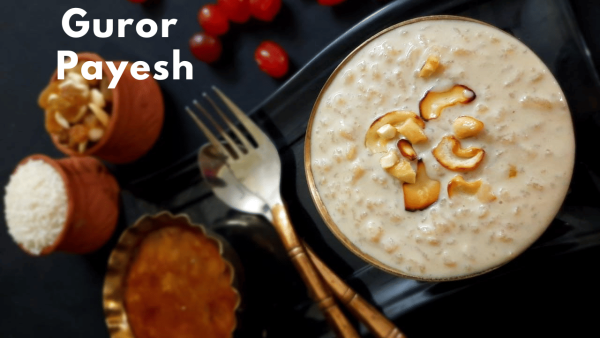
3. Guror payosh – jaggery kheerGuror payosh is a rich, slow-cooked rice kheer sweetened with jaggery instead of sugar, giving it a deep caramel-like flavour and beautiful earthy colour. Served warm or slightly chilled, this creamy dessert is a favourite during winter festivals like Bhogali Bihu 2026, especially after a lavish uruka meal.
Ingredients to make Guror Payosh (serves 4–5)
½ cup short-grain rice, washed and soaked for 20–30 minutes
1 litre full-fat milk
¾ to 1 cup grated jaggery (adjust to sweetness)
3–4 green cardamom pods, lightly crushed
8–10 cashew nuts, chopped (optional)
8–10 raisins (optional)
1–2 teaspoons ghee
Easy homemade Guror Payesh recipe
Heat ghee in a heavy-bottomed pan, add soaked, drained rice and sauté for 1–2 minutes on low flame.
Pour in milk, stir and bring to a gentle boil.
Lower the heat and simmer, stirring regularly so the rice cooks evenly and the milk does not stick to the bottom.
Continue cooking until the rice is soft and the milk has reduced to a thick, creamy consistency.
In a separate pan, melt the jaggery with a few tablespoons of water and strain if needed to remove impurities.
Let the milk–rice mixture cool slightly, then slowly add the melted jaggery, stirring continuously.
Add crushed cardamom, cashew nuts and raisins.
Simmer for a few more minutes on low heat, without boiling too vigorously, then switch off and let it rest.
Guror payosh brings a luxurious, comforting sweetness to your Magh Bihu 2026 feast, offering a dessert that feels festive yet rooted in simple, slow-cooked homestyle goodness.
4. Duck curry – Assamese-style rich duck meatDuck curry (haah curry) is a traditional Assamese delicacy, often cooked with potatoes, whole spices and sometimes sesame or black pepper, resulting in a rich, robust gravy. This hearty curry is especially popular in winter and frequently appears on Bhogali Bihu feast menus, served with hot steamed rice or soft rice preparations.

Ingredients to make duck curry (serves 4–5)
800 g to 1 kg duck meat, cleaned and cut into medium pieces
3 tablespoons mustard oil
2–3 medium potatoes, peeled and halved
2 medium onions, finely sliced
2 tomatoes, chopped
1 tablespoon ginger–garlic paste
2 bay leaves
3–4 green cardamom pods
4–5 cloves
1 small cinnamon stick
1 teaspoon turmeric powder
1½ teaspoons red chilli powder (adjust to taste)
1 teaspoon coriander powder
½ teaspoon cumin powder
Salt to taste
2–3 cups hot water (for gravy)
Fresh coriander leaves for garnish
Easy method to make Duck Curry at home
Heat mustard oil in a heavy pan until it begins to smoke, then reduce the heat.
Add bay leaves, cardamom, cloves and cinnamon; sauté until aromatic.
Add sliced onions and cook until golden brown.
Stir in ginger–garlic paste and sauté for a couple of minutes.
Add chopped tomatoes, turmeric, red chilli, coriander and cumin powders; cook until the tomatoes soften and the masala releases oil.
Add duck pieces and sauté on medium-high heat until they are well coated with masala and slightly browned.
Add potatoes, mix and cook for a few more minutes.
Pour in hot water, add salt, stir and bring to a boil.
Cover and simmer on low heat until the duck turns tender and the potatoes cook through, adjusting water for desired gravy consistency.
Garnish with fresh coriander leaves before serving.
Assamese-style duck curry turns your Magh Bihu 2026 feast into a truly indulgent spread, pairing wonderfully with plain rice and balancing the sweetness of pithas and larus with deep, savoury warmth.
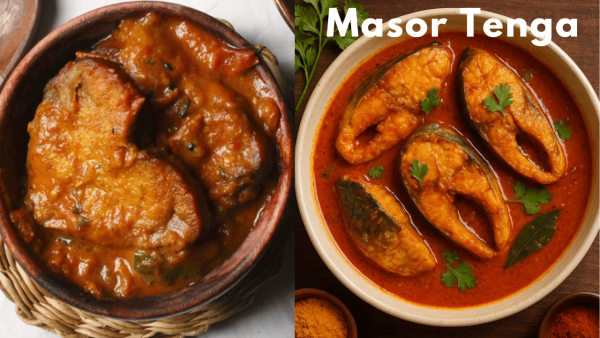
5. Masor tenga – tangy Assamese fish curryMasor tenga is a light, tangy fish curry prepared with tomatoes, lemon or other souring agents, known for its clean flavours and digestive properties. After a rich uruka barbecue or meat-heavy Bhogali meal, this curry is a staple on many Assamese tables during Magh Bihu 2026.
Ingredients to make Masor Tenga (serves 4)
500–600 g freshwater fish pieces (catla/rohu), cleaned
½ teaspoon turmeric powder (for marination)
Salt to taste
3–4 tablespoons mustard oil
½ teaspoon mustard seeds or fenugreek seeds
1 medium onion, thinly sliced (optional)
2–3 medium tomatoes, chopped
1–2 green chillies, slit
½ teaspoon turmeric powder (for gravy)
½–1 teaspoon mild red chilli powder (optional)
2–3 cups water
Juice of ½–1 lemon (or to taste)
Fresh coriander leaves, chopped
Easy homemade recipe to make Masor Tenga
Marinate fish pieces with salt and turmeric for 15–20 minutes.
Heat mustard oil until it just smokes, then reduce the flame slightly.
Shallow-fry fish pieces until lightly golden on both sides; remove and keep aside.
In the same pan, add mustard or fenugreek seeds and let them splutter.
Add sliced onions (if using) and sauté until soft and light golden.
Add chopped tomatoes, turmeric and chilli powder; cook until tomatoes break down and the masala thickens.
Pour in water and bring to a gentle boil.
Add green chillies and carefully slide in the fried fish pieces.
Simmer on low heat for 8–10 minutes, allowing flavours to meld.
Switch off the heat, add lemon juice to taste and garnish with coriander.
Masor tenga with steamed rice brings a soothing, tangy note to your Magh Bihu 2026 menu, cleansing the palate while still feeling distinctly festive and Assamese.
6. Pigeon meat curry – festive rustic specialtyPigeon meat curry (kuruwa curry) is a rustic, traditional delicacy enjoyed in parts of Assam, especially in winter, for its rich flavour and warming quality. Prepared with aromatic spices and often served at special feasts, this dish adds an old-world, celebratory touch to Bhogali Bihu 2026 for families who follow this food tradition.
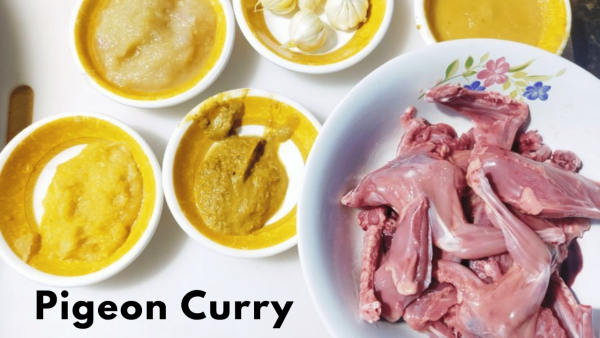
Ingredients to make pigeon meat curry (serves 3–4)
600–700 g pigeon meat, cleaned and cut into pieces
3 tablespoons mustard oil
2 medium onions, finely chopped
2 tomatoes, chopped
1 tablespoon ginger–garlic paste
2 bay leaves
3–4 green cardamom pods
4–5 cloves
1 small cinnamon stick
1 teaspoon turmeric powder
1½ teaspoons red chilli powder (adjust to taste)
1 teaspoon coriander powder
½ teaspoon garam masala powder
Salt to taste
2–3 cups hot water
Fresh coriander leaves for garnish
Step by step recipe to make pigeon curry
Heat mustard oil in a heavy pan until it starts to smoke, then lower the heat.
Add bay leaves, cardamom, cloves and cinnamon; sauté until fragrant.
Add chopped onions and cook until golden brown.
Stir in ginger–garlic paste and cook for a couple of minutes.
Add chopped tomatoes, turmeric, chilli and coriander powder; cook until the tomatoes soften and the masala releases oil.
Add pigeon meat pieces, mix well and sauté on medium-high heat until they brown slightly and are coated with masala.
Add salt and enough hot water for a medium-thick gravy; bring to a boil.
Cover and cook on low heat until the meat becomes tender, adding more water if required.
Finish with garam masala and simmer for a few more minutes.
Garnish with chopped coriander leaves before serving.
Pigeon meat curry is ideal for those who want their Magh Bihu 2026 feast to reflect deeper, ancestral Assamese food traditions, bringing a robust, village-style flavour to the festive thali.
As Magh Bihu/Bhogali Bihu 2026 arrives, let your celebration revolve around a table filled with til pitha and narikol laru, bowls of guror payosh, aromatic duck and pigeon curries, and a soothing masor tenga—creating a feast that feels festive, rooted in Assamese culture and full of stories to share with every plate.