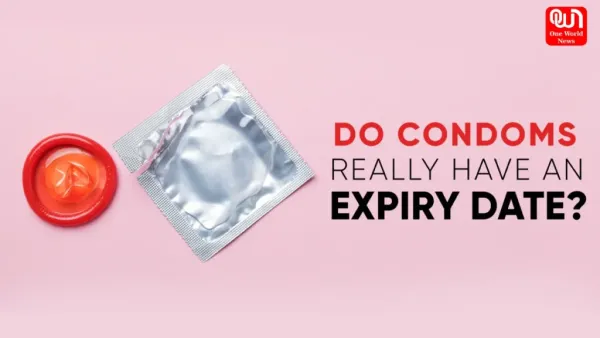
Condoms are one of the most widely used and effective tools for preventing unintended pregnancy and sexually transmitted infections. However, a common and often overlooked question is: Do Condoms Expire? According to health experts, the answer is yes — and using expired condoms can significantly increase health risks.
Understanding condom expiration dates, proper storage, and potential dangers is essential for maintaining sexual health and safety.
Yes, condoms do expire. Like many medical and health- products, condoms have a limited shelf life. Manufacturers include expiration dates because the materials used — primarily latex or polyurethane — degrade over time.
Once a condom passes its expiration date, it may no longer provide reliable protection against pregnancy or infections.
Condoms are made from materials that lose strength and elasticity over time. Latex condoms, the most common type, are especially sensitive to aging, heat, and friction. Even unopened condoms can weaken as they age.
Lubricants applied to condoms can also break down, reducing comfort and increasing the risk of tearing. This is why experts emphasize checking the expiration date before use.
Most condoms have a shelf life of three to five yearsdepending on the material and whether they contain spermicide. Condoms with spermicide often expire sooner because the chemicals can degrade faster.
The expiration date is usually printed on the condom wrapper or box. If the date has passed, the condom should not be used, even if it looks normal.
Using expired condoms carries several risks:
Increased chance of breakage: As materials weaken, condoms are more likely to tear or split during use.
Reduced effectiveness: An expired condom may not provide adequate protection against pregnancy or infections.
Loss of elasticity: Stiff or brittle condoms may not fit properly, increasing the risk of slipping off.
Compromised lubrication: Dried-out lubricant can cause discomfort and friction, increasing failure risk.
Experts warn that these risks defeat the purpose of using condoms in the first place.
Even if a condom has not technically expired, there are signs it may be unsafe:
The packaging is torn, sticky, or damaged
The condom feels dry, brittle, or unusually stiff
The condom has an unusual smell
The wrapper appears puffed up with air
If any of these signs are present, the condom should be discarded.
Read more: Yash Birthday 2026: Date, Journey, and Why Fans Celebrate Him Worldwide
Expiration dates assume condoms are stored correctly. Heat, sunlight, and friction can shorten a condom’s lifespan. Storing condoms in wallets, cars, or near heat sources can cause damage even before the expiry date.
Experts recommend keeping condoms in a cool, dry place away from direct sunlight. Proper storage helps maintain their effectiveness until the expiration date.
Non-latex condoms, such as those made from polyurethane or polyisoprene, may have slightly different shelf lives. While they can be suitable for people with latex allergies, they still expire and must be checked before use.
Regardless of material, the rule remains the same: expired condoms should never be used.
Health professionals strongly advise checking expiration dates regularly and replacing old condoms. If there is any doubt about a condom’s condition, it is safer to discard it and use a new one.
Experts also stress that condoms are most effective when combined with proper usage and regular sexual health awareness.
Read more: Sara Arjun Brings Mughal-Era Lampi Work to Life in Dhurandhar
So, Do Condoms Expire? Absolutely — and ignoring expiration dates can put your health at risk. Using fresh, properly stored condoms is essential for effective protection and peace of mind.
In matters of sexual health, prevention works best when products are used correctly and responsibly. A quick check of the expiration date may seem small, but it can make a significant difference.